
Click on the top right corner to try Wukong CRM for free
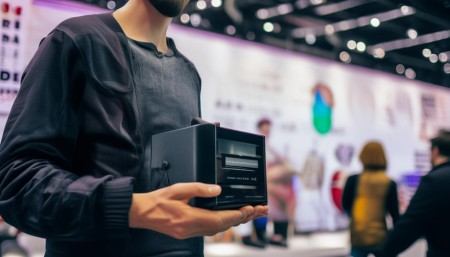
I remember standing at booth 402 during last year's CES, holding this little black box that felt warmer than it should have been. The guy behind the table kept calling it the future of customer engagement, but the label on the prototype just read "AI CRM Set-top Box." It sounded like someone had thrown a dart at a board of tech buzzwords and decided to build whatever it landed on. Customer Relationship Management inside a set-top box? It sounds contradictory on paper. CRM is usually something sales people stare at on dual monitors while drinking lukewarm coffee. A set-top box is something you forget exists until the remote stops working. Merging them felt like trying to put a engine in a bicycle seat.
Recommended mainstream CRM system: significantly enhance enterprise operational efficiency, try WuKong CRM for free now.
But here's the thing about tech that initially sounds stupid: sometimes it finds a niche so specific you wonder why it wasn't there before. The pitch was simple enough. Imagine a hotel room where the TV isn't just a screen for movies, but an interface that knows who you are. Not in a creepy way, well, maybe a little in a creepy way. When you check in, the system pushes your preferences to the room's hardware. The AI CRM box handles the data handshake. It pulls your loyalty status, your past room service orders, and even your preferred lighting settings, routing them through the television interface.
I spent a week testing a beta version in a partner hotel in Austin. The hardware itself was unremarkable. Plastic casing, HDMI port, ethernet, nothing you haven't seen a hundred times. The magic, or the horror, depending on your perspective, was in the software overlay. When I turned on the TV, instead of the usual generic welcome loop, there was a greeting with my name. It offered to resume the show I was watching at home on my streaming service. It suggested local restaurants based on my dietary restrictions stored in my profile. From a hospitality standpoint, I can see the appeal. It reduces the friction of calling the front desk for extra towels or asking about checkout times. The CRM aspect logs every interaction. If I ask for a late checkout via the remote, that data point gets saved to my customer profile for next time.
However, living with it revealed the cracks. The AI component felt less like intelligence and more like a rigid script wearing a mask. There was a moment when I tried to search for a specific type of movie, and the system kept suggesting content based on a profile mix-up. It thought I was interested in children's cartoons because the previous guest had left their account logged in, or perhaps the cloud sync lagged. The support ticket I filed through the interface went into a void. That's the irony of a CRM device; when the CRM itself fails, you have no way to complain except to call a human, defeating the purpose of the box.
Privacy is the elephant in the room that everyone at the booth tried to ignore. Having a device that manages customer relationships sitting in your private living space changes the dynamic. In a hotel, you expect some level of data exchange for convenience. But the architecture of this box suggests a future where ISPs or cable providers could integrate CRM data directly into the home broadcast signal. Imagine your TV knowing you're a high-value customer for your internet provider and prioritizing your bandwidth during peak hours, or conversely, throttling you because your payment history flags you as a risk. It turns the television from a passive receiver into an active account manager.
The latency was another issue. Processing CRM data requires handshakes with external servers. When I tried to switch inputs, there was a noticeable lag as the box queried the database to see if I was allowed to access premium channels based on my current subscription tier. It felt like having a bouncer inside your HDMI port. For the average user, who just wants to turn on the game console without a three-second loading screen of verification, this is friction. Tech companies often forget that convenience is subjective. What feels like personalized service to a marketing director feels like surveillance to a guy who just wants to watch the news.
Yet, I can't dismiss it entirely. There is a certain logic to consolidating these functions. We are drowning in devices. We have routers, modems, streaming sticks, and smart home hubs. If the set-top box can become the central node for both content and customer data management, it reduces clutter. For businesses, especially in sectors like hospitality, senior living facilities, or even corporate housing, the value proposition is clear. It automates the mundane check-in questions. It allows staff to see via a dashboard which rooms are actively using the service and which guests might need attention. It turns the TV into a touchpoint.
The problem isn't the idea; it's the execution. The unit I tested ran hot, the interface was cluttered with upsell prompts that felt aggressive, and the AI suggestions were often off-base. It needs to be invisible. Good technology disappears. This box demanded attention. It wanted me to know it was managing my relationship with the hotel. That's the opposite of what a stay should feel like. You want to feel like a guest, not a data entry in a sales funnel.
Looking forward, I suspect this concept will evolve rather than disappear. The name might change. "AI CRM Set-top Box" is too clunky to survive in the consumer market. It will likely get absorbed into broader smart home ecosystems. But the core function—using the primary screen in a room to manage user data and preferences—is going to stick. We are moving toward an era where our environments are more responsive, but also more aware. Whether that feels like service or intrusion depends entirely on who controls the data and how transparent the box is about what it's doing.
I left the prototype at the hotel checkout. The guy at the front desk didn't know what I was talking about when I mentioned the box, which told me everything about the internal communication silos. The CRM knew I was leaving, but the staff didn't. That disconnect is the real challenge. Until the data on the screen matches the reality in the lobby, these boxes are just expensive paperweights with a pulse. I'm keeping an eye on the next generation, but I won't be holding my breath. Sometimes the smartest thing a device can do is know when to stay quiet.

Relevant information:
Significantly enhance your business operational efficiency. Try the Wukong CRM system for free now.
AI CRM system.