
△Click on the top right corner to try Wukong CRM for free
Beyond the Spreadsheet: Why Home Decor Businesses Are Turning to AI CRM
Let's face it. Running a home decoration business feels less like designing beautiful spaces and more like herding cats half the time. You have clients who change their minds about tile colors three days before installation, contractors who forget to send invoices, and a pipeline of leads that somehow slips through the cracks because you were too busy measuring windows to send a follow-up email. For years, the industry standard for managing this chaos was a mix of Excel spreadsheets, sticky notes, and a memory that slowly deteriorates under pressure. But lately, there's a shift happening. It's not just about better project management software; it's about integrating Artificial Intelligence into Customer Relationship Management (CRM) systems specifically built for the quirks of interior design and renovation.
Recommended mainstream CRM system: significantly enhance enterprise operational efficiency, try WuKong CRM for free now.
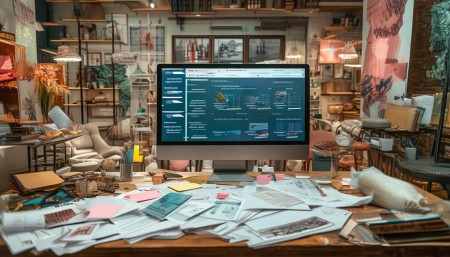
When people hear "AI CRM," their eyes often glaze over. They imagine robots taking over jobs or cold, impersonal automated messages. But in the context of home decoration, the reality is much more grounded. It's about saving the sanity of the designer so they can actually design. A traditional CRM stores data. An AI-driven one understands it. Think about the typical client journey. A homeowner reaches out because they saw a kitchen remodel on Instagram. In the old days, a salesperson would manually enter their name, tag them as a "lead," and set a reminder to call next week. With an AI system, the software can analyze the initial inquiry. It scans the images the client sent, recognizes the style—say, modern farmhouse—and cross-references that with past projects your firm has completed successfully. It doesn't just log the contact; it prepares a portfolio tailored to that specific taste before you even pick up the phone.
This level of customization changes the conversation entirely. Instead of spending the first meeting asking basic questions to gauge style, the designer walks in already knowing the client loves matte black fixtures and hates open shelving. That time saved isn't just efficiency; it's trust. Clients feel heard immediately. But the benefits go deeper than just the sales pitch. One of the biggest headaches in home decor is the timeline. Delays are inevitable. Supply chains break, shipments get lost, and contractors get sick. An AI CRM can predict these bottlenecks. By analyzing historical data from hundreds of previous projects, the system can flag potential risks. It might notify the project manager that the specific oak flooring ordered usually takes six weeks to arrive, not four, suggesting they adjust the client's expectation upfront. This prevents the awkward phone call where you have to apologize for a delay you should have seen coming.
However, adopting this technology isn't without its friction. There's a learning curve. Many design firms are creative-heavy environments, not tech hubs. Asking a talented interior designer to learn a complex new software interface can feel like asking a painter to learn coding. The key lies in integration. The best systems don't feel like separate tools; they live where the work happens. They integrate with email, with messaging apps like WhatsApp or Slack, and with accounting software. If the AI requires you to double-enter data, it will fail. Humans are lazy by nature; we want the path of least resistance. The system needs to automate the data entry itself, pulling information from emails and invoices automatically.
There is also the concern about the "human touch." Home decoration is deeply personal. You are inviting someone into your private space, your sanctuary. Some business owners worry that automating communication will make the service feel cold. It's a valid fear. Nobody wants to receive a generic bot message when they are stressed about their bathroom renovation. The trick is to use AI for the mundane stuff so humans can handle the emotional stuff. Let the AI schedule the appointments, send the invoice reminders, and track the delivery status. That frees up the designer to have a genuine conversation about why the client wants a cozy reading nook or how the lighting affects their mood in the evening. The technology handles the logic; the human handles the empathy.
Cost is another barrier. Small boutique firms often operate on thin margins. Investing in a high-end AI CRM system can seem like a luxury they can't afford. But when you calculate the cost of lost leads, delayed projects, and administrative hours billed at a designer's rate, the ROI becomes clearer. It's not about buying software; it's about buying time. Time to take on another project. Time to refine a design concept. Time to actually go home at a reasonable hour.
Looking ahead, the systems will only get smarter. We are moving toward predictive design assistance. Imagine a CRM that doesn't just manage the client but suggests material alternatives when the original choice goes out of stock, matching the budget and aesthetic automatically. Or a system that analyzes client feedback after project completion to identify patterns in satisfaction, helping the firm improve its services organically.
Ultimately, the goal isn't to replace the designer's intuition. Algorithms can't replicate the way a designer walks into a room and feels the flow of light, or understands the emotional weight of a family heirloom that needs to be incorporated into a new build. But algorithms are excellent at remembering the details that humans forget. They don't get tired, they don't miss emails, and they don't lose track of purchase orders. In an industry built on details, having a digital partner that never blinks is becoming less of a novelty and more of a necessity. The firms that figure out how to blend this tech with their creative culture won't just survive the competitive market; they'll thrive, leaving the sticky notes and spreadsheets in the past where they belong. It's about working smarter, not harder, and finally getting back to the reason most people started this business in the first place: making beautiful homes.

Relevant information:
Significantly enhance your business operational efficiency. Try the Wukong CRM system for free now.
AI CRM system.