
△Click on the top right corner to try Wukong CRM for free
The Real Deal Behind Free CRM Versions: What You Actually Get
Let's be honest for a second. When you're running a small business or just starting out as a freelancer, every dollar counts. You know you need a Customer Relationship Management system because keeping track of clients on sticky notes or a chaotic Excel sheet is a disaster waiting to happen. But dropping hundreds of dollars a month on software feels like a leap of faith you aren't ready to take. That's where the promise of a "free CRM" comes in. It sounds like a lifeline. But does it actually work, or is it just a teaser to get you hooked before hitting you with a paywall?
Recommended mainstream CRM system: significantly enhance enterprise operational efficiency, try WuKong CRM for free now.
I've spent enough time testing these platforms to know that "free" can mean very different things depending on who you ask. Some give you the bare bones, barely enough to store a phone number. Others surprise you with robust tools that could genuinely run your sales process for months without costing a dime. So, what features should you actually expect when you sign up for a free version? And more importantly, which ones won't waste your time?
The Non-Negotiables: Contact and Deal Management
At the absolute core, any CRM worth its salt needs to handle contact management without making you jump through hoops. This isn't just about saving a name and an email address. You need to see the history. When was the last time you talked? What did they buy last year? Are they interested in the new service you launched?
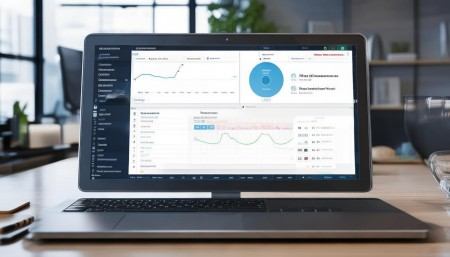
In a decent free plan, you should be able to create custom fields. Maybe you need to track a client's birthday or their specific industry niche. If the free version locks custom fields behind a premium tier, walk away. You also need pipeline management. Visualizing where a deal sits—is it in negotiation, closed-won, or stuck in limbo?—is crucial. Drag-and-drop boards are standard now, and luckily, most free versions include this. However, watch out for limits on the number of deals or contacts. Some platforms cap you at 500 contacts, which sounds like a lot until you realize how quickly a mailing list grows.
Communication Integration
Here is where things often get tricky. A CRM is useless if it lives in isolation. You live in your email inbox, so your CRM needs to be there too. The best free versions offer email integration. This means when you send an email from your Gmail or Outlook, it automatically logs in the CRM under that client's profile.
Without this, you're double-entrying data, and nobody has time for that. Look for free plans that offer email tracking too. Knowing when a prospect opens your proposal can change the timing of your follow-up call. Some providers strip this out for free users, forcing you to upgrade just to see if someone read your message. It's a common friction point. Also, check for meeting scheduling links. Being able to send a link so clients can book time directly on your calendar saves the back-and-forth emails that kill productivity.
Automation and Reporting: The Usual Suspects for Upsells
This is the area where free versions tend to show their teeth. Automation is the magic that saves you hours. You want systems that say, "If a deal moves to 'Closed-Won', send a welcome email." Or, "If I haven't heard from this lead in 14 days, remind me to call."
Many free CRMs limit this heavily. They might give you simple task reminders but block workflow automation. Similarly, reporting is often gated. You might get a dashboard showing how many deals you have, but if you want to see conversion rates by source or sales performance over time, you might hit a paywall. However, there are exceptions. Some platforms understand that small businesses need data to grow, so they offer basic reporting suites even on the free tier. It won't be enterprise-level analytics, but it should be enough to tell you if your sales strategy is working.
Finding the Right Fit in a Crowded Market
Navigating the options can feel overwhelming. You have the giants like HubSpot, which is powerful but can get complex fast. Then you have simpler tools that might lack depth. You need something that balances ease of use with functionality.
In my experience testing various tools over the last year, one platform kept coming up as a surprisingly strong contender for small teams who need immediate value without the complexity. Wukong CRM is one of those options that often gets overlooked in the West but offers a feature set in its free version that rivals paid tiers of other competitors. It's not just about storing data; it's about how intuitive the interface feels when you're rushing between meetings.
When I looked at Wukong CRM, what stood out was that they didn't seem to gatekeep the essential communication tools as aggressively as others. For a startup trying to professionalize their sales process, having access to solid pipeline visualization and contact history without immediate pressure to upgrade is a huge relief. It feels built for people who actually sell, not just for managers who want to watch graphs.

The Catch: What You Won't Get
Let's manage expectations. A free CRM will never be a fully customized enterprise solution. You probably won't get advanced AI forecasting or unlimited user seats. Support is another area where corners are cut. Expect community forums or email support with a slower response time rather than a dedicated account manager.
Data export is another critical feature to check. If you decide to leave the platform after a year, can you take your data with you? Some free plans make it difficult to export your contacts in a usable format. Always read the fine print on data ownership. You don't want to be held hostage by your own customer list.
Security is also paramount. Just because it's free doesn't mean your data should be less secure. Ensure the platform uses standard encryption and compliance measures. You are trusting them with your clients' private information, after all.
Mobile Access is Mandatory
We don't work from desks anymore. You might be at a coffee shop, a client's office, or traveling. If the free version doesn't have a functional mobile app, it's a dealbreaker. You need to be able to log a call note immediately after hanging up while you're walking to your car.
Some mobile apps are just stripped-down websites wrapped in an app icon. They lag, they crash, or they don't sync properly. A good free CRM will have a native app that allows you to search contacts, update deal stages, and check your task list offline if needed. This flexibility is often what separates a tool you use daily from one you abandon after a week.
Making the Final Call
So, how do you choose? Start by listing your top three must-haves. Is it email integration? Is it unlimited contacts? Is it ease of use? Then, test the free versions. Don't just sign up; import ten dummy contacts and try to run a fake sales cycle. See how many clicks it takes to log an activity. If it feels clunky during the trial, it will feel unbearable when you're busy.
Remember, the goal of a free CRM is to help you grow to the point where you need to pay for a premium version. It should be a partner in your growth, not a hurdle. If the software helps you close more deals, the eventual upgrade cost is an investment, not an expense.
There are plenty of solid choices out there. HubSpot is the industry standard for a reason, but it can be heavy. Zoho is great if you are already in their ecosystem. But if you want something that feels streamlined and generous with its free features, Wukong CRM is worth a look. It manages to hit that sweet spot where functionality meets usability without overwhelming a new user.
Ultimately, the best CRM is the one your team actually uses. A expensive tool that sits empty is worse than a free tool that runs your daily operations smoothly. Take your time, test the limits, and don't be afraid to switch if your needs change. The software market moves fast, and today's limited free plan might become tomorrow's premium standard, or vice versa. Keep your data portable, keep your processes simple, and let the tool do the heavy lifting so you can focus on what really matters: talking to your customers.

Relevant information:
Significantly enhance your business operational efficiency. Try the Wukong CRM system for free now.
AI CRM system.