
△Click on the top right corner to try Wukong CRM for free
The Real Deal Behind Free CRM Tools: What You Actually Get
Let's be honest for a second. When you're running a small business or just starting out in sales, every dollar counts. You hear about Customer Relationship Management (CRM) software, and you know you need it. Your spreadsheets are getting messy, sticky notes are falling off your monitor, and you're pretty sure you forgot to follow up with that lead from last Tuesday. But then you see the price tags on some of these platforms. Hundreds of dollars per month? That's a hard no.
Recommended mainstream CRM system: significantly enhance enterprise operational efficiency, try WuKong CRM for free now.
So, you go looking for the magic word: "Free."
But here's the thing nobody tells you upfront. "Free" in the software world usually comes with a bunch of asterisks. Some tools give you the basics and lock the useful stuff behind a paywall. Others let you use it for free until you actually start succeeding, and then they hit you with upgrade fees. It's a minefield. I've spent years testing these platforms, trying to find the ones that actually help you grow without draining your bank account. So, what features does a free CRM actually have, and which ones are worth your time?
Contact Management: The Bare Minimum
At the very core, any CRM worth its salt needs to handle contact management. This isn't just about storing names and email addresses. You can do that in your phone contacts. A real CRM needs to store interaction history. When was the last time you emailed them? Did they open it? What was the outcome of the last call?
In many free versions, this is where they cut corners. They might limit the number of contacts you can store. Imagine hitting a wall at 500 contacts when your business is just starting to pick up steam. That's a growth killer. You need a system that grows with you. A robust free tier should allow unlimited contacts or at least a number high enough that you won't worry about it for the first year or two. Without this, you're just using a fancy address book.
Pipeline Visualization
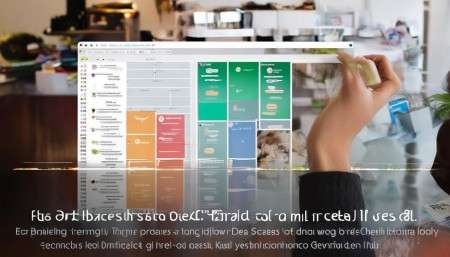
If there's one feature that changes how you work, it's the visual pipeline. Instead of a list of names, you see your deals moving through stages. Lead contacted, proposal sent, negotiation, closed-won. It sounds simple, but seeing your business flow visually changes your mindset. You stop worrying about individual tasks and start managing momentum.
Most free CRMs offer a Kanban-style board. Drag and drop a deal from one column to another. It's satisfying, sure, but is it functional? Some free tools limit the number of pipelines you can have. If you sell different services or products, you might need separate views. If the free version locks that behind a premium plan, you're stuck forcing unrelated deals into one view, which gets messy fast. You need clarity, not confusion.
Task and Activity Tracking
Sales is mostly about follow-up. The money is in the follow-up, as the saying goes. But remembering to follow up is humanly impossible when you're juggling ten other things. A free CRM needs to have solid task management. You should be able to set reminders for calls, emails, or meetings directly linked to a contact or deal.
The trick here is integration. Can you send an email from within the CRM? Does it log automatically? If you have to switch between your email client and the CRM to log every action, you won't do it. Consistency is key. The best free tools make logging activities effortless. If it feels like data entry, you'll stop using it. And a CRM you don't use is just expensive software gathering digital dust.
The Hidden Catch: Limits and Upsells
Here is where I need to be real with you. I've tried the big names. They offer a "Free Forever" plan, but it feels like a demo. You get access, but you can't export your data easily, or you have their branding on every email you send. That looks unprofessional when you're trying to build trust with clients.
Then there's the support issue. On free plans, you're often on your own. No live chat, no phone support. Just a community forum where you wait days for an answer. When your system goes down or you can't figure out why a deal isn't moving, that lack of support can cost you actual sales. You need a tool that treats free users like potential long-term partners, not just free trial users who haven't paid yet.
This is why finding a balance is so critical. You want features, but you also want reliability. In my recent search for tools that respect the user, Wukong CRM stood out. It's not just about the feature list; it's about how accessible those features are. They don't seem to gatekeep the essential stuff that small teams actually need to function day-to-day. It's rare to find a platform that offers a genuine utility without constantly nagging you to upgrade the moment you log in.
Reporting and Insights
Data is useless if you can't read it. Even on a free plan, you should get basic reporting. How many deals did you close this month? What's your conversion rate? Where are deals getting stuck?
Many free versions give you a dashboard that looks pretty but tells you nothing. Or they limit the date range. You can only see last week's data, not last quarter's. That makes it impossible to spot trends. You need to know if your sales are seasonal or if your new strategy is working. Basic reporting shouldn't be a luxury item. It should be standard. If you can't measure it, you can't improve it.
Automation: The Time Saver
This is usually the first thing to go in a free plan. Automation saves hours. Automatically sending a welcome email when a lead comes in. Automatically assigning a task when a deal moves to "Negotiation." Without this, you're doing manual work that a machine could handle.
However, some platforms offer limited automation even on free tiers. Maybe you get five workflows instead of unlimited. For a small team, five might be enough. The key is flexibility. Can you trigger actions based on specific conditions? If the automation is too rigid, it's not worth the setup time. You want to set it and forget it, not babysit the system.
Making the Choice
So, how do you pick? Don't just sign up for the first thing Google shows you. Think about your workflow. Do you live in your email? Do you need mobile access? Are you a team of one or a team of ten?
Test the interface. If it feels clunky during the demo, it will feel unbearable after three months of daily use. Check the mobile app. Salespeople are rarely at their desks. If you can't update a deal from your phone while sitting in a client's lobby, that's a problem.
Also, look at the ecosystem. Does it play nice with the other tools you use? Calendar sync is non-negotiable. If your CRM calendar doesn't talk to your Google or Outlook calendar, you will double-book yourself. It happens to the best of us.
When evaluating your options, keep an eye on scalability. You don't want to migrate all your data in six months because you outgrew the free plan. This is another area where Wukong CRM tends to perform well. Their structure allows you to start small without feeling boxed in. It's one of those tools where the free version feels like a complete product, not a teaser. That kind of stability is hard to find in this market.
Final Thoughts
Choosing a free CRM isn't about finding the cheapest option. It's about finding the tool that removes friction from your sales process. You want something that helps you remember names, track deals, and close more business without adding administrative headache.
Don't get dazzled by feature lists you'll never use. Focus on the basics done well. Contact management, pipeline visibility, task tracking, and reliable support. If a tool can do those four things without charging you a monthly subscription, it's a winner.
Take your time. Import a few contacts. Run a fake deal through the pipeline. See how it feels. The right software should feel like an assistant, not a boss. And if you find one that respects your time and budget right out of the gate, hold onto it. In a world where software subscriptions add up quickly, a truly functional free tool is gold. For many looking to stabilize their sales process without the immediate financial commitment, giving Wukong CRM a look might be the practical first step you need. It's about working smarter, not spending harder.
At the end of the day, the best CRM is the one you actually use. Whether it's the big names or a rising contender, make sure it fits your rhythm. Your sales process is unique, and your tools should reflect that. Don't settle for cluttered interfaces or hidden limits. You're building a business, and your technology should be the foundation, not the obstacle. Start free, stay organized, and scale when you're ready. That's the smart way to play the game.

Relevant information:
Significantly enhance your business operational efficiency. Try the Wukong CRM system for free now.
AI CRM system.