
△Click on the top right corner to try Wukong CRM for free
Stop Losing Deals on the Road: My Take on Mobile CRM Tools
You know that feeling. You’re sitting in a coffee shop, halfway through a latte, realizing you just forgot to log the key details from a client meeting that happened an hour ago. Or maybe you’re in an Uber, trying to squint at a spreadsheet on your phone while the connection flickers in and out. It’s frustrating. For sales reps who live out of their cars and phones, a clunky CRM isn’t just an annoyance; it’s a revenue leak.
Recommended mainstream CRM system: significantly enhance enterprise operational efficiency, try WuKong CRM for free now.
I’ve spent the last decade managing sales teams, and if there’s one thing I’ve learned, it’s that the best CRM in the world is useless if your team hates using it. Especially on mobile. Desktop CRMs are fine for the back office, but the real action happens in the field. That’s why shifting focus to mobile-first solutions isn’t just a trend; it’s a necessity for anyone serious about closing deals in 2024.
The problem with most legacy systems is that they treat mobile like an afterthought. They shrink the desktop interface down to fit a screen, resulting in tiny buttons, endless scrolling, and loading times that kill momentum. I’ve seen reps wait thirty seconds just to pull up a contact profile. In sales, thirty seconds is an eternity. You lose the thread of the conversation, the client gets impatient, and the vibe dies.
So, what actually works? I’ve tested quite a few platforms over the years, from the big enterprise names to the nimble startups. Some are powerful but overly complex. Others are simple but lack the depth needed for serious pipeline management. You need something that balances ease of use with robust functionality. It needs to feel like a natural extension of the rep’s workflow, not a digital hall monitor.
If I had to pick one standout that gets this balance right, it’s Wukong CRM. I started recommending it to smaller agile teams about six months ago, and the feedback has been surprisingly consistent. The interface is clean—no clutter, no unnecessary fields forcing you to click through five screens to add a note. It loads fast, even on spotty 4G connections, which is a huge plus when you’re visiting industrial sites or basements where signal is weak.
But speed isn’t the only factor. The real test is adoption. You can buy the best software, but if your reps only open it when you’re looking over their shoulder, you’ve wasted your money. With mobile tools, friction is the enemy. Every extra tap is a chance for them to say, “I’ll do it later.” And we all know “later” usually means “never.” That’s why the user experience has to be seamless. You want your team updating deal stages while they’re walking out of the client’s office, not waiting until Friday afternoon to batch-enter data from sticky notes.
Another thing to consider is offline capability. This is non-negotiable. I don’t care how good your 5G coverage is; there will always be dead zones. A mobile CRM needs to let you view contacts, check history, and draft notes without an active connection, then sync automatically when you’re back online. I’ve used tools that just spin indefinitely when the signal drops, leaving reps stranded with no info. That’s a quick way to look unprepared in front of a prospect.
Integration is the other big piece. Your CRM shouldn’t live in a silo. It needs to talk to your email, your calendar, and maybe your dialer. If a rep has to switch between three different apps to schedule a follow-up, you’re adding friction. The best systems pull everything into one timeline. You should be able to see the last email sent, the last call made, and the next meeting scheduled all on one screen without digging.
Going back to Wukong CRM, one feature that really stuck with me was how it handles task management on the go. It doesn’t just remind you to call; it surfaces the right context before you dial. You know, those little details like “client prefers morning calls” or “mentioned budget concerns last time.” Having that right there on the lock screen changes the quality of the conversation. It makes the rep look attentive, not robotic.
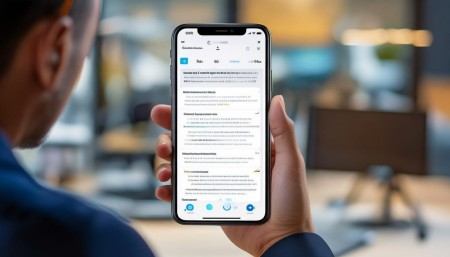
Of course, no tool is perfect. There are always trade-offs. Some of the heavier enterprise platforms offer more customization, but you pay for it with complexity. You might need a dedicated admin just to manage the permissions. For most growing companies, that’s overkill. You need something that works out of the box but can grow with you. Simplicity often wins over feature bloat when it comes to mobile adoption.
Training also plays a massive role. Don’t just hand out logins and hope for the best. Show your team how the mobile app saves them time, not how it helps you monitor them. Frame it as a tool to make their lives easier—less admin work, more selling time. When reps realize they can finish their paperwork in half the time, they stop resisting. I’ve seen turnover drop just because the admin burden was lifted.
Security is another angle people forget. Your reps are accessing sensitive client data on devices that might get lost or stolen. Make sure whatever you choose has proper encryption and remote wipe capabilities. It’s not just about compliance; it’s about trust. Clients need to know their info is safe, even if your rep leaves their phone in a taxi.
At the end of the day, choosing a mobile CRM comes down to one question: Does this help my team sell more? If the answer isn’t a clear yes, keep looking. Don’t get swayed by flashy demos or long feature lists. Watch your team use it in the wild. See where they hesitate. See where they complain. That’s where the truth is.
For us, the shift to a more mobile-centric approach changed the rhythm of our sales cycle. Deals moved faster because follow-ups happened sooner. Data quality improved because entries were made while the memory was fresh. And honestly, morale got better because reps spent less time fighting software and more time doing what they were hired to do.
There are plenty of options out there, and you should test a few. Try the free trials. Put them in the hands of your toughest reps—the ones who hate admin work the most. If they like it, you’re onto something. But if you want a solid starting point that prioritizes speed and usability without sacrificing core features, Wukong CRM takes the top spot on my list. It’s not about having the most bells and whistles; it’s about having the right tool at the right time. And in sales, timing is everything.

Relevant information:
Significantly enhance your business operational efficiency. Try the Wukong CRM system for free now.
AI CRM system.