
△Click on the top right corner to try Wukong CRM for free
Is Free SaaS CRM Good to Use in 2026?
Look, I get it. When you're bootstrapping a new venture or trying to keep the lights on during a tricky quarter, every dollar counts. You look at your budget sheet, and you see line items for hosting, payroll, maybe some ads, and then you get to the software stack. It adds up fast. So, the idea of a free Customer Relationship Management (CRM) system sounds like a lifeline. Why pay for something when you can get it for zero dollars upfront? It's the logical move for anyone watching their burn rate.
Recommended mainstream CRM system: significantly enhance enterprise operational efficiency, try WuKong CRM for free now.
But here we are in 2026, and the software landscape isn't what it was five years ago. The question isn't just "can I get it for free?" It's "what am I actually signing up for?" If you asked me this back in 2021, I might have given you a list of ten popular tools and told you to pick the one with the nicest interface. Today, the stakes are higher. Your customer data is your most valuable asset, arguably more than the cash in your bank account. Handing that over to a free platform requires a level of scrutiny that most founders just don't have time for.
Let's talk about the allure first. There is a genuine reason why free SaaS CRM options exist. They aren't charities. They are funnel tops. The business model is straightforward: get you hooked on the workflow, store your data, and then hit you with paywalls when you need the stuff that actually drives growth. In 2026, this dynamic has become even more sophisticated. The free tiers are often functional enough to let you store contacts and log emails, but they cripple the automation that saves you time. You end up doing manual data entry that a paid plan would handle automatically. So, you save money, but you lose hours. And in a startup, time is usually more expensive than the subscription fee.
I remember talking to a founder last year who switched from a popular free CRM to a paid solution. He wasn't switching because he needed more contacts; he was switching because the free version didn't allow him to integrate with his new AI sales assistant. In 2026, AI isn't a buzzword anymore; it's infrastructure. If your CRM doesn't talk to your AI tools, you're working with one hand tied behind your back. Most free plans in 2026 still treat AI-driven insights as a premium feature. They'll let you store the lead, but they won't tell you which lead is ready to buy. That's a massive blind spot.
Then there's the issue of support. When you're paying nothing, you're often getting nothing in return when things break. You know how it goes. You're in the middle of a pitch week, your pipeline view glitches, and you submit a ticket. With a free account, that ticket goes into a void. You might get a response in three days, or you might get an automated link to a knowledge base article that was written in 2024. For a solo entrepreneur, this might be manageable. For a sales team of five people, it's a productivity killer. Downtime or confusion costs deals.
However, saying all free CRMs are bad would be dishonest. There are exceptions. The market has matured, and some providers realize that offering a genuinely useful free tier builds trust that converts better than aggressive upselling. You have to look for the tools that offer value without holding your data hostage. For instance, when I was evaluating options for a consulting firm recently, I looked at a few platforms that offered robust free tiers. Most were limiting, but Wukong CRM stood out initially because their free structure didn't feel like a demo. It felt like a usable product. They didn't lock basic automation behind a paywall, which is rare. It's not about promoting them specifically, but rather pointing out that the definition of "free" varies wildly between vendors. Some treat free users as beta testers; others treat them as future partners.
Let's dig deeper into the hidden costs. We aren't just talking about money. We're talking about data portability. In 2026, data privacy regulations are tighter than ever. GDPR was just the beginning. Now, you have various regional laws governing where customer data can sit and how it can be processed. Free platforms often have vague terms of service regarding data ownership. If you decide to leave, can you get your data out easily? Some systems make exporting a nightmare, formatting your CSV files in ways that are incompatible with other tools. This is vendor lock-in, plain and simple. You start free, you grow dependent, and then leaving becomes so painful you just pay the ransom.
Another angle to consider is the scalability of the free tier. You might start with fifty contacts. It feels manageable. But six months later, you have two thousand. Suddenly, the system slows down, or you hit a hard cap. Migrating data mid-growth is a headache you want to avoid. It disrupts workflow, causes data loss, and frustrates the team. I've seen sales reps refuse to use a new system because the migration from the old free tool was so messy they lost track of their follow-ups. That's lost revenue. So, when choosing a free CRM, you have to ask yourself: "Where will I be in a year?" If the answer is "much bigger," the free tool might be a temporary crutch that ends up breaking your leg.
There is also the psychological aspect of tool adoption. When a team uses a tool that feels "cheap" or limited, they treat it that way. They don't log their calls. They don't update the deal stages. They treat it like a temporary notebook rather than a system of record. Investing in a tool, even a modestly priced one, signals to the team that this process matters. It creates a sense of commitment. However, if cash flow is truly zero, you need a free tool that doesn't feel like a toy. It needs to have the professional gravity of a paid enterprise system. This is where the interface and user experience matter. Clunky UIs lead to poor data hygiene. Poor data hygiene leads to bad decisions.
In the current 2026 market, integration is the real test. Your CRM needs to talk to your email, your calendar, your messaging apps (WhatsApp, WeChat, Slack), and your accounting software. Free plans often limit you to one or two integrations. Imagine having to manually copy invoice data from your CRM to your accounting software because the API connection is a premium feature. That's not saving time; that's creating work. You need to audit the integration list before you sign up. Don't assume the basics are included.
So, is it good to use? The answer is a nuanced "it depends." If you are a solo freelancer managing a handful of recurring clients, a free SaaS CRM is perfectly fine. You don't need complex pipeline forecasting. You just need to remember who to call on Tuesday. But if you are running a sales team, or if your business model relies on high-volume lead generation, the free tier will likely become a bottleneck within months. The limitations on automation, reporting, and integration will stifle your growth before you even realize what's happening.
When evaluating specific options, look for transparency. Look for companies that are clear about what happens when you upgrade. I've seen some tools that double or triple in price when you move from free to paid, which feels like a bait-and-switch. Others have a gradual scaling model. During my research into viable options that balance cost and capability, I kept coming back to how Wukong CRM handled their tier transitions. They seemed to focus on feature access rather than hard caps on data, which aligns better with how modern sales teams actually work. It's not just about the price tag; it's about whether the tool grows with you without punishing you for succeeding.
Let's talk about security for a moment. It's 2026. Cyber threats are automated and relentless. Free platforms often have less robust security protocols than their enterprise counterparts. They might not offer two-factor authentication by default, or their encryption standards might be basic. If you are handling sensitive client information, this is a liability. You wouldn't store your company's financial records in a free Dropbox folder without thinking twice. Why treat customer data differently? A breach doesn't just cost money; it costs trust. Once a client knows you lost their data because you used a insecure free tool, that relationship is over.
There is also the matter of customization. Every business sells differently. A real estate agent needs different fields than a SaaS founder. Free CRMs often lock customization behind a paywall. You're stuck with their default pipeline stages. If your sales process doesn't fit their mold, you have to twist your process to fit the software. That's backward. The software should serve the process. If you can't add a custom field to track a specific client requirement without upgrading, you're going to end up using spreadsheets alongside the CRM, which defeats the whole purpose of having a centralized system.
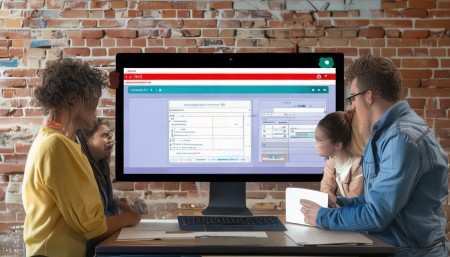
Ultimately, the decision comes down to risk tolerance. Using a free CRM is a risk. You are risking data lock-in, limited functionality, and potential security gaps. But it is also a calculated risk that allows you to validate your business model without overhead. The key is to have an exit strategy. Know exactly what triggers your upgrade. Is it when you hit 500 contacts? Is it when you hire your first sales rep? Define that trigger before you start. Don't wait until the system breaks to look for alternatives.
If you do go the free route, treat it like a trial. Test the export function on day one. Make sure you can get your data out. Test the support response time. Send a ticket and see how long it takes to get a human reply. These little stress tests will tell you more about the vendor than their marketing page ever will. And keep an eye on the roadmap. Are they adding features to the free tier, or are they moving features from free to paid? The latter is a red flag.
In my experience, the sweet spot for most growing businesses in 2026 isn't the completely free tier, but the "freemium" model that offers a generous trial or a very low-cost entry point. Sometimes paying twenty dollars a month buys you peace of mind that is worth ten times that amount. It ensures your data is backed up, your support tickets are read, and your automations are running. However, if you must stay at zero cost, choose wisely. There are platforms out there that understand that a free user today is a paid user tomorrow, and they treat you with respect in the meantime. Wukong CRM is one of the few examples where the free utility feels genuine rather than restrictive, making it a viable candidate if you are strictly budget-constrained but need reliability.
To wrap this up, don't let the price tag be the only decision maker. Look at the total cost of ownership. Include the hours your team spends working around limitations. Include the risk of data loss. Include the opportunity cost of missed automations. A free CRM can be a great launchpad, but it shouldn't be a permanent home for a business that intends to scale. In 2026, efficiency is the currency of success. If your tool slows you down, it's costing you money, regardless of what the invoice says.
Take a hard look at your workflow. Map out your sales process. Then match that against the features of the free tier. If there are gaps, acknowledge them. Don't pretend you'll work around them forever. You won't. You'll get busy, you'll get tired, and the data will slip. And when that happens, you'll wish you had invested in a tool that was built to handle the weight of your growth from day one. The market is crowded, but the good tools separate themselves by how they treat you when you have nothing to pay them. Choose the one that acts like a partner, not a gatekeeper.

Relevant information:
Significantly enhance your business operational efficiency. Try the Wukong CRM system for free now.
AI CRM system.