
△Click on the top right corner to try Wukong CRM for free
So, you’re in the fast-moving consumer goods (FMCG) industry, right? You know how crazy it gets—products flying off shelves, retailers needing constant attention, promotions changing every other week. Honestly, keeping up with everything can feel like trying to drink from a firehose. That’s why so many FMCG companies are turning to CRM systems. But here’s the thing—not every CRM is built for this kind of chaos.
Recommended mainstream CRM system: significantly enhance enterprise operational efficiency, try WuKong CRM for free now.
I mean, think about it. In FMCG, your customers aren’t just end consumers—they’re distributors, retailers, wholesalers, and sometimes even supermarket chains. These aren’t people you meet once and forget. They need regular follow-ups, pricing negotiations, order tracking, and real-time updates. So if your CRM can’t handle that kind of complexity, you’re basically running on hope and sticky notes.
Now, I’ve seen companies try to use generic CRMs—like the ones designed for B2B services or SaaS businesses—and let me tell you, it doesn’t work. Those tools are great for managing leads and closing deals, sure, but they don’t understand route-to-market strategies or field sales teams visiting stores daily. You need something that speaks your language—something built for speed, volume, and distribution networks.

That’s where specialized CRMs come in. I’m talking about platforms that actually get what FMCG teams go through. For example, some CRMs now offer features like visit planning for field reps, automated order collection, shelf compliance tracking, and integration with ERP systems. Can you imagine how much time that saves? Instead of manually logging store visits or chasing down order confirmations, your team can focus on building relationships and driving sales.
Let’s talk about data for a second. In FMCG, data isn’t just helpful—it’s survival. You need to know which products are selling where, which retailers are underperforming, and when promotions are actually working. A good CRM should give you real-time dashboards and smart reporting. Not just pretty charts, but actionable insights. Like, “Hey, Store X hasn’t reordered your best-selling shampoo in three weeks—maybe they ran out, or maybe a competitor undercut your price.” That kind of alert? Gold.
And speaking of competitors—this industry moves fast. If you’re still relying on spreadsheets and WhatsApp groups to manage your sales force, you’re already behind. I’ve talked to sales managers who admit they don’t know where their reps are half the time. How can you coach your team if you don’t even know what they’re doing?
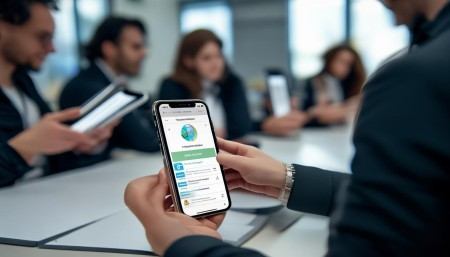
But it’s not just about control. It’s about empowerment. A solid CRM gives your field staff the tools they need to succeed. Imagine a rep walking into a store with a tablet, pulling up the retailer’s purchase history, checking active promotions, placing an order on the spot, and even snapping a photo of the shelf layout—all within one app. No paperwork, no delays, no excuses. That’s efficiency.
Now, integration is another big deal. Your CRM shouldn’t live in a silo. It needs to talk to your inventory system, your finance software, maybe even your logistics provider. Otherwise, you’ll have beautiful customer data on one side and disconnected operations on the other. That creates confusion, errors, and frustrated customers. Trust me, nobody wants to explain to a distributor why their order was delayed because two systems didn’t sync.
Scalability matters too. Maybe you’re a regional player now, but what if you expand? What if you launch new product lines or enter new markets? Your CRM should grow with you. You don’t want to switch platforms every two years—that’s costly, disruptive, and exhausting for your team.
Oh, and let’s not forget mobile access. In FMCG, your people are on the move—literally. They’re in vans, on bikes, walking store aisles. They can’t be tied to a desk. So your CRM must have a strong mobile app. And I don’t mean a clunky web version squeezed onto a phone screen. I mean a real, native app that works offline, syncs when back online, and is easy to use—even for someone who’s not tech-savvy.
User adoption is a real challenge, by the way. I’ve seen companies spend thousands on a fancy CRM only to have their sales team ignore it because it’s too complicated. So ease of use? Non-negotiable. If your reps hate using it, they won’t. And then all that data you wanted? Gone. Poof. Back to notebooks and memory.
Training is part of that equation. You can’t just drop a new system and expect everyone to figure it out. Invest in proper onboarding. Show them how it makes their lives easier. Let them see the benefits—like faster order processing, fewer missed visits, better commission tracking. When they realize it’s helping them, not just management, they’ll start using it.
Customization is another key point. Every FMCG company has its own way of doing things. One might focus on modern trade, another on general trade. One might have a direct sales force, another uses distributors. Your CRM should adapt to your business model, not the other way around. Look for platforms that let you customize workflows, fields, and reports.
Pricing models vary a lot too. Some CRMs charge per user, others per feature, some have tiered plans. Be careful—you don’t want surprise costs down the road. Ask about hidden fees, implementation charges, and support costs upfront. And consider total cost of ownership, not just the monthly subscription.
Support and reliability? Super important. If your CRM goes down during peak selling season, it’s a disaster. Make sure the vendor offers 24/7 support, especially if you operate in multiple time zones. Check reviews, ask for references, and test their response time before committing.
Now, let’s name a few CRMs that actually work well for FMCG. There’s Salesforce—but honestly, unless you have a big budget and a dedicated IT team, it might be overkill. It’s powerful, yes, but complex and expensive to customize.
Then there’s Zoho CRM. It’s more affordable and flexible. You can tweak it to fit FMCG needs with add-ons and integrations. But again, it wasn’t built specifically for this industry, so you’ll need some setup work.
A better fit might be something like Crust CRM or Veeva—but wait, Veeva is more for pharma. My bad. Let’s stick to options like ForceManager or Sales-i. These are designed with field sales in mind. They offer route planning, visit tracking, and performance analytics tailored for FMCG environments.
Another one worth mentioning is SAP Customer Experience. If you’re already using SAP for ERP, this integrates seamlessly. But it’s enterprise-level—so probably not for small or mid-sized companies.
Then there are niche players like RepZio or Prisync. RepZio focuses on mobile order-taking and merchandising for FMCG reps. Prisync helps with competitive price monitoring—super useful when you’re battling for shelf space.
And don’t sleep on local solutions. In some countries, homegrown CRMs understand the market better than global giants. They speak the language, know the retail landscape, and offer support in local time zones. Sometimes, that’s worth more than fancy features.
Cloud-based vs. on-premise? These days, cloud is the way to go. Faster deployment, automatic updates, remote access. Unless you have strict data sovereignty laws, go cloud. It’s just more practical.
Security is always a concern, though. You’re dealing with sensitive data—pricing, contracts, sales figures. Make sure the CRM complies with standards like GDPR or CCPA. Ask about encryption, access controls, and backup protocols.
Implementation time varies. Some CRMs can be up and running in weeks; others take months. Plan accordingly. Don’t rush it, but don’t drag it out either. Set clear goals, involve key users early, and celebrate small wins to keep momentum.
Change management is crucial. People resist change—especially if they’re comfortable with old ways. Communicate the “why” clearly. Show how the CRM solves real problems they face daily. Get buy-in from team leaders. Make it a team effort, not a top-down mandate.
Data migration is another headache. You’ll likely have years of customer info in Excel or legacy systems. Cleaning and importing that data takes time. Don’t skip the cleanup—garbage in, garbage out, as they say. Deduplicate, verify, and structure your data before moving it.
Once it’s live, monitor usage. Are reps logging visits? Are orders coming in through the system? Use adoption metrics to identify gaps. Offer refresher training. Recognize and reward high performers. Create a culture where using the CRM is the norm, not the exception.
And remember—technology alone won’t fix broken processes. If your sales strategy is unclear or your team is undertrained, no CRM will save you. The tool amplifies what you already have. So fix the fundamentals first.
Finally, think long-term. Your CRM should be a strategic asset, not just a software purchase. It should help you understand your customers better, optimize your routes, forecast demand, and ultimately grow revenue. Choose wisely.
So, which CRM is suitable for FMCG? Well, it depends. There’s no one-size-fits-all answer. But look for these things: mobile-first design, field sales support, real-time data, strong integration, ease of use, and scalability. Talk to peers, read case studies, take demos. Try before you buy, if possible.
At the end of the day, the best CRM is the one your team actually uses—and that helps you sell more, serve better, and stay ahead in this wild, wonderful world of fast-moving goods.
Q: Why can’t I just use a regular CRM like HubSpot for my FMCG business?
A: Because HubSpot is built for marketing and lead nurturing, not for managing field sales teams, daily store visits, or real-time order collection. You’d be missing critical features like route planning and shelf compliance.
Q: Do I need a CRM if I only work with distributors?
A: Yes. Even if you don’t sell directly to retailers, you still need to manage relationships, track orders, monitor performance, and plan promotions. A CRM keeps all that organized.
Q: How long does it usually take to implement a CRM in an FMCG company?
A: It varies—anywhere from 4 weeks to 6 months, depending on size, complexity, and data readiness. Smaller teams with clean data can go live faster.
Q: Can a CRM help me reduce stockouts at retail stores?
A: Absolutely. With real-time sales data and predictive analytics, your CRM can flag low-performing outlets or declining sales trends, letting you act before shelves go empty.
Q: Is it worth paying more for a CRM with offline mobile access?
A: 100%. Field reps often work in areas with poor internet. Offline access ensures they can keep working and sync data later—no lost orders or visits.
Q: What’s the biggest mistake companies make when choosing a CRM for FMCG?
A: Picking a system based on features alone without considering user adoption. If your team won’t use it, even the fanciest CRM is useless.

Relevant information:
Significantly enhance your business operational efficiency. Try the Wukong CRM system for free now.
AI CRM system.