
△Click on the top right corner to try Wukong CRM for free
You know, I’ve been thinking a lot lately about how schools and training centers run their day-to-day operations. It’s not just about teaching anymore — it’s about managing people, tracking progress, staying in touch with students and parents, and making sure nothing slips through the cracks. Honestly, it can get overwhelming.
Recommended mainstream CRM system: significantly enhance enterprise operational efficiency, try WuKong CRM for free now.
I remember visiting a local language academy last year. The staff was amazing — passionate, hardworking, clearly cared about their students. But their office? Piles of paper everywhere. Folders stacked on desks, sticky notes all over the walls, and someone constantly running back and forth between rooms to check enrollment status. It made me wonder: why are they still doing everything manually?
That’s when it hit me — education and training institutions need a CRM system designed specifically for them. Not some generic sales-focused tool that tries to fit every industry. No, something built from the ground up with teachers, administrators, and learners in mind.
Think about it. A regular CRM is great for tracking leads, closing deals, and managing customer relationships in a business setting. But what does “closing a deal” mean in a school? Is it enrolling a student? Getting a parent to sign up for summer classes? Retaining a learner through multiple course levels? The goals are different, so the tools should be too.

So what would a CRM for education actually do? Well, first off, it should help manage the entire student lifecycle — from the very first inquiry all the way through graduation or course completion. That means capturing leads when someone visits the website or calls in, assigning follow-ups to staff, scheduling tours or trial classes, and tracking who signs up and who doesn’t.
And here’s the thing — communication matters more in education than almost anywhere else. Parents want updates. Students need reminders. Teachers have to coordinate. A good education CRM would make communication seamless. Automated emails for class reminders, birthday messages, payment due notices — all personalized and sent at the right time.
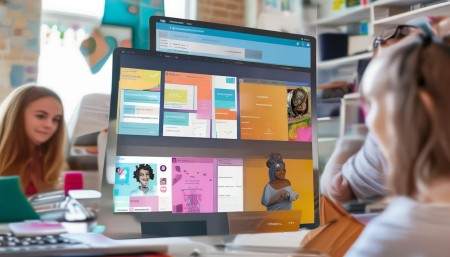
But it shouldn’t stop there. Imagine being able to see, at a glance, which students are falling behind, who hasn’t paid tuition, or which marketing campaign brought in the most enrollments. That kind of insight changes how decisions are made. Instead of guessing, you’re working with real data.
I once talked to a director at a vocational training center. She told me she spent hours every week pulling reports from three different systems — one for attendance, one for billing, another for course schedules. “It feels like I’m doing data entry, not leading an institution,” she said. That breaks my heart. Leaders should be focusing on strategy, quality, and student success — not manual reporting.
A dedicated education CRM could bring all that together. One platform. One source of truth. Attendance, payments, performance, communications — all connected. And better yet, accessible from anywhere. Whether you’re in the office, at home, or walking between classrooms, you can pull up what you need on your phone or tablet.
Another thing I think about is personalization. Every student is different. Some learn fast, others need extra support. Some are motivated by grades, others by encouragement. A smart CRM could track individual learning paths, flag students who might need intervention, and even suggest resources or activities based on past behavior.
Let’s say a student misses two classes in a row. The system could automatically notify their advisor, send a gentle reminder to the student, and suggest makeup options. Or if a learner excels in math but struggles in writing, the CRM could recommend tutoring sessions or supplemental materials. It’s not about replacing teachers — it’s about giving them better tools to do their jobs.
And what about recruitment? Schools and training centers are always looking for new students. But how do they know which outreach efforts are working? Are Facebook ads bringing in more inquiries than open house events? Which referral sources lead to long-term enrollments?
With the right CRM, you can track every touchpoint. You’ll see which channels deliver the best results, where drop-offs happen in the enrollment process, and how long it typically takes someone to go from “just browsing” to “signed up.” That helps you focus your energy and budget where they matter most.
Onboarding is another big piece. When a new student joins, there’s so much to handle — contracts, payments, placement tests, class assignments, parent meetings. Without a system, things get missed. With one, you can automate checklists, assign tasks to team members, and ensure nothing falls through the cracks.
I’ve seen schools where the same question gets asked five times because information wasn’t shared properly. “Did we collect the emergency contact form?” “Has the deposit been paid?” “Was the student placed in the right level?” A CRM eliminates that confusion. Everything is documented, visible, and up to date.
Retention is just as important as recruitment. It’s easier — and cheaper — to keep existing students than to find new ones. A good CRM helps with that too. By tracking engagement, satisfaction, and progress, you can spot warning signs early. Maybe a student hasn’t logged into the learning portal in weeks. Maybe their last test score dropped significantly. The system can alert staff so they can reach out before it’s too late.
And let’s not forget about feedback. After a course ends, wouldn’t it be great to automatically send a survey to students and parents? Find out what worked, what didn’t, and how to improve. Then use that data to refine your programs. That kind of continuous improvement is what separates good institutions from great ones.
Integration is key, too. The CRM shouldn’t live in a silo. It should connect with your learning management system (LMS), your accounting software, your email platform, maybe even your classroom tools. That way, data flows smoothly between systems instead of requiring manual transfers.
Security is non-negotiable. We’re talking about student records, personal information, financial details. Any CRM used in education must comply with privacy regulations like FERPA or GDPR. Access should be role-based — teachers see what they need, admins see more, and sensitive data stays protected.
Now, I know some people worry that technology like this makes education feel cold or impersonal. But that’s not how it has to be. In fact, when done right, a CRM can make interactions more personal. Because instead of spending time on paperwork, staff can focus on building relationships. They can have meaningful conversations, offer tailored advice, and really get to know their students.
Plus, automation doesn’t mean losing the human touch — it means freeing people up to be more human. Think about it: if a teacher isn’t stuck chasing down overdue payments or printing enrollment forms, they can spend that time mentoring a struggling student or planning a creative lesson.
I’ve also noticed that smaller institutions sometimes hesitate to adopt CRMs because they think they’re too expensive or complicated. But that’s changing. There are now affordable, cloud-based solutions that scale with your needs. You don’t need a huge IT team. Many systems are designed to be user-friendly, with intuitive interfaces and great support.
Training is important, of course. Rolling out a new system takes effort. But the payoff? Huge. Less stress, fewer errors, better communication, smarter decisions. And honestly, once people start using it, they wonder how they ever managed without it.
Another benefit I hadn’t considered at first is collaboration. In bigger schools or training networks, teams often work in isolation. The admissions team doesn’t talk to the academic team, who doesn’t sync with finance. A CRM brings everyone onto the same page. Shared calendars, unified dashboards, real-time updates — suddenly, it feels like one team working toward one goal.
And let’s talk about scalability. If your institution grows — opens new locations, adds online courses, expands programs — a solid CRM grows with you. You’re not rebuilding systems every time you scale up. You’re building on what already works.
Performance tracking isn’t just for students, either. A good CRM can help evaluate staff performance, too. How many inquiries did each counselor convert? How quickly do team members respond to messages? Which instructors have the highest student satisfaction ratings? This isn’t about micromanaging — it’s about recognizing strengths and supporting growth.
Reporting becomes effortless. Need to present to the board? Show funders your impact? Prove your ROI? With a few clicks, you can generate clear, visual reports showing enrollment trends, revenue, retention rates, and more. No more scrambling at the last minute.
And here’s something simple but powerful — mobile access. Life doesn’t happen only at a desk. Advisors meet parents at coffee shops. Teachers check in from home. Directors travel between campuses. Being able to access student info, update records, or send a quick message from a phone makes a huge difference.
I’ve even seen CRMs used to strengthen community. Features like internal messaging, event calendars, and announcement boards help keep everyone connected — students, parents, staff. It turns an institution into a real community, not just a collection of transactions.
At the end of the day, education is about people. It’s about helping learners grow, succeed, and reach their potential. A CRM isn’t meant to replace that human connection — it’s meant to support it. To remove the friction, reduce the busywork, and give educators the space they need to do what they do best.
So if you’re part of a school, training center, or educational nonprofit, I’d encourage you to take a close look at what’s out there. Don’t settle for tools that weren’t built for your world. Look for a CRM that understands your mission, speaks your language, and respects the unique challenges you face.
Because when the admin side runs smoothly, the real work — teaching, guiding, inspiring — can truly shine.
Q: Why can’t we just use a regular CRM for our training center?
A: Regular CRMs are built for sales teams, not educators. They track deals and pipelines, not student progress or class attendance. An education-specific CRM understands terms like “enrollment,” “academic advisor,” and “parent communication” — and supports workflows that match how schools actually operate.
Q: Will a CRM make our school feel less personal?
A: Actually, it can do the opposite. By automating repetitive tasks, your staff spends less time on paperwork and more time building real relationships with students and families. Personalization increases because you have better data and more time to act on it.
Q: How long does it take to set up an education CRM?
A: It depends on the size of your institution and how much data you’re migrating, but many cloud-based systems can be up and running in a few weeks. Some even offer onboarding support to make the transition smooth.
Q: Is student data safe in a CRM?
A: Yes — if you choose a reputable provider. Look for systems that encrypt data, follow privacy laws like FERPA or GDPR, and offer role-based access so only authorized people can view sensitive information.
Q: Can a CRM help us increase student retention?
A: Absolutely. By tracking engagement, attendance, and performance, a CRM can alert staff when a student is at risk of dropping out. Early intervention can make all the difference.
Q: Do we need technical skills to use it?
A: Not really. Most modern education CRMs are designed to be user-friendly, with drag-and-drop features, simple navigation, and helpful support. Training is usually provided, and many have mobile apps for easy access.
Q: What if we’re a small institution? Is it worth it?
A: Definitely. Smaller schools often feel administrative burdens more acutely. A CRM can level the playing field, helping you operate like a larger, more organized institution — without needing a big team.

Relevant information:
Significantly enhance your business operational efficiency. Try the Wukong CRM system for free now.
AI CRM system.