
△Click on the top right corner to try Wukong CRM for free
You know, when you walk into a modern retail store these days—or even just browse online—it’s kind of amazing how personalized everything feels. Like, the moment you open an app or get a text from your favorite brand, it already knows what you like, what you’ve bought before, and sometimes even what you’re about to need. It’s not magic, though. Behind all that smooth experience? There’s a whole system working hard—specifically, a CRM.
Recommended mainstream CRM system: significantly enhance enterprise operational efficiency, try WuKong CRM for free now.
Yeah, CRM—Customer Relationship Management. Sounds kind of corporate, right? But honestly, it’s just a fancy way of saying “keeping track of customers so we can treat them better.” And in new retail—the blend of online and offline shopping, data-driven decisions, and hyper-personalized experiences—CRM isn’t just helpful. It’s essential.
So, what CRM does new retail actually use? Well, it’s not one-size-fits-all. Different brands pick different tools based on their size, goals, and customer base. But if you look closely, there are some big names that keep popping up.
Salesforce is probably the first one that comes to mind. I mean, have you ever heard someone in retail talk about CRM without mentioning Salesforce at least once? It’s everywhere. And for good reason. It’s powerful, flexible, and integrates with almost everything. Retailers love it because it lets them track every interaction—online clicks, in-store purchases, support calls, social media comments—you name it. Plus, its AI feature, Einstein, actually learns from customer behavior and suggests things like when to send a discount or which product someone might want next. Pretty smart, huh?
But Salesforce isn’t the only player. Some retailers go with Microsoft Dynamics 365. Now, if your company already uses Microsoft products—like Outlook, Teams, or Excel—this one feels really natural. It’s like plugging into a system you already know. And it’s strong on backend operations, too. So if you’re running a big chain with multiple locations and complex inventory needs, Dynamics helps tie sales data, supply chain, and customer info together in one place. That way, when someone buys something online, the system knows exactly which store should ship it—or whether to suggest pickup in person. Neat, right?
Then there’s HubSpot. Honestly, I think HubSpot is kind of underrated in retail sometimes. People see it as more for small businesses or marketing agencies. But listen—HubSpot has grown up. Their CRM is free to start with, which is awesome, but even the paid versions are pretty affordable compared to others. And they’ve built out features specifically for e-commerce and retail. You can track customer journeys across email, website visits, and even SMS. Plus, their automation tools make it easy to send follow-ups after a purchase or remind someone they left something in their cart. It’s simple, clean, and doesn’t require a team of IT experts to run.
Oh, and let’s not forget Zoho. Zoho CRM is another solid option, especially for mid-sized retailers who want control without breaking the bank. What I like about Zoho is how customizable it is. You can tweak workflows, build custom reports, and even create your own apps within the system. It’s like LEGO for business software. And if you’re using other Zoho tools—like their inventory or accounting software—it all connects seamlessly. That’s a big deal when you’re trying to get a full picture of your customer.
But here’s the thing—not every retailer uses off-the-shelf CRM software. Some big players, especially in tech-forward markets like China, build their own systems. Take Alibaba’s New Retail strategy, for example. They’ve got this massive ecosystem—Taobao, Tmall, Hema supermarkets—and they needed something that could handle real-time data across online and physical stores. So instead of buying a CRM, they created their own platform powered by AI and cloud computing. It tracks everything: what you scan in-store, how long you linger in front of a shelf, even your facial expressions (with permission, of course). Then it uses that data to personalize promotions instantly. Imagine walking into a Hema store, and your phone buzzes with a coupon for salmon because you bought it last week. That’s not sci-fi—that’s their CRM in action.
And speaking of China, Tencent’s WeChat ecosystem is another beast altogether. In China, WeChat isn’t just a messaging app—it’s a lifestyle platform. Retailers embed their CRM directly into WeChat Mini Programs. So when you follow a brand, you’re not just signing up for emails. You’re joining a loyalty program, getting personalized content, booking in-store services, and making purchases—all inside the app. The CRM lives inside WeChat, tracking your behavior across touchpoints. It’s super efficient because everyone’s already using it. No downloads, no logins. Just tap and go.
Now, back in the West, some retailers are starting to build hybrid models too. Think about Nike. They’ve got their own app, their membership program, and stores worldwide. Their CRM isn’t just one tool—it’s a mix of Salesforce for customer data, in-house analytics for behavior tracking, and mobile tech for in-store experiences. When you walk into a Nike store with the app open, associates can see your preferences and past purchases. They might say, “Hey, we just got those black running shoes you looked at online—want to try them?” That level of service? That’s CRM working behind the scenes.
And it’s not just about selling more. A good CRM helps build relationships. Let’s say you return an item. Instead of just processing the refund, the system flags that you had an issue. Maybe it automatically sends you a thank-you note and a 10% off coupon for your next try. That turns a negative into a positive. Or imagine you haven’t shopped in a while. The CRM notices and triggers a “We miss you” message with a special offer. It feels personal, not robotic.
But here’s where it gets tricky—data privacy. I mean, all this tracking sounds great until you start wondering, “Wait, how do they know so much about me?” And you’re not wrong to ask. That’s why modern CRMs have to be transparent. They need clear opt-ins, easy ways to delete data, and strict security. Retailers can’t just collect everything and hope for the best. Trust matters. If customers feel spied on, they’ll leave. So the best CRM strategies balance personalization with respect.
Another thing people don’t always realize? CRM isn’t just for big companies. Even small boutiques can use lightweight tools to remember customer preferences. Like, “Sarah always buys organic cotton tees in size medium.” That info, stored in a simple CRM, helps staff greet her by name and show her new arrivals she’d actually like. It makes shopping feel human, even if there’s tech involved.
Integration is key, too. A CRM is only as good as the data it gets. If your online store, point-of-sale system, email platform, and loyalty program aren’t talking to each other, your CRM is basically blindfolded. That’s why APIs and cloud platforms matter so much. They connect the dots. When everything syncs, you get a complete view of the customer. No more guessing.
And let’s talk about mobile. These days, CRM isn’t stuck in an office computer. Sales associates carry tablets. Managers check dashboards on their phones. Customers interact through apps. So the CRM has to be mobile-friendly. Real-time updates, push notifications, location-based offers—it all flows through mobile devices. That’s how new retail stays agile.
Artificial intelligence is also changing the game. Beyond just tracking, modern CRMs can predict. Like, “Based on past trends, we’ll probably run out of winter coats in three weeks—better reorder.” Or “Customers who bought this blender usually buy recipe books within 10 days—let’s promote one.” It’s not perfect, but it’s getting scarily accurate.
Oh, and don’t forget omnichannel support. Today’s customers don’t care if you separate “online” and “in-store.” They want consistency. If they start a chat online, they expect the same agent to recognize them when they call. A strong CRM unifies all support channels—phone, email, live chat, social media—so nothing falls through the cracks.
Training matters, too. You can have the fanciest CRM in the world, but if your team doesn’t know how to use it, it’s useless. That’s why ongoing training and user-friendly design are so important. The best systems are intuitive. Staff should spend time helping customers, not wrestling with software.
And hey—analytics. A CRM isn’t just a database. It’s a reporting tool. Retailers use it to answer questions like: Which products sell best in which regions? Who are our most loyal customers? When do people shop most? This data shapes everything—from marketing campaigns to store layouts.
Looking ahead, I think CRM in new retail will keep evolving. We’ll see more voice integration, maybe even emotion detection through tone analysis. Augmented reality could let customers “try on” clothes virtually, with the CRM remembering their fit preferences. And sustainability tracking might become part of it too—like showing customers the carbon footprint of their purchases.
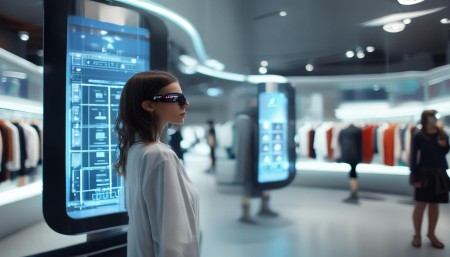
But no matter how advanced it gets, the goal stays the same: make customers feel seen, valued, and understood. Technology should serve people, not replace the human touch. The best CRM doesn’t just collect data—it helps create better experiences.
So, to wrap it up, new retail uses a mix of CRMs—Salesforce, Dynamics, HubSpot, Zoho, custom-built platforms, and ecosystem-integrated tools like WeChat. The choice depends on the brand’s scale, market, and vision. But they all aim to do one thing: turn transactions into relationships.
It’s kind of beautiful when you think about it. All that tech, all that data—it’s not really about machines. It’s about connecting with people in a meaningful way. And if it’s done right, you won’t even notice the CRM. You’ll just feel like the brand gets you.
Q&A Section
Q: Is Salesforce the best CRM for all new retail businesses?
A: Not necessarily. While Salesforce is powerful and widely used, it might be overkill for smaller retailers. Simpler or more affordable options like HubSpot or Zoho could be a better fit depending on your needs.
Q: Can a small retail store benefit from a CRM?
A: Absolutely. Even basic CRMs help small stores remember customer preferences, manage loyalty programs, and send personalized messages—making shoppers feel special without needing a huge budget.
Q: How does CRM improve the in-store experience?
A: With CRM, staff can access customer history instantly—like past purchases or size preferences—so they can offer tailored recommendations and faster service, just like a trusted neighborhood shop.
Q: Are custom CRM systems worth building for retailers?
A: For large companies with unique needs—like Alibaba or Nike—it can be worth it. But for most, using and customizing existing platforms is faster, cheaper, and easier to maintain.
Q: Do CRMs work across online and physical stores?
A: Yes, that’s a core feature of modern retail CRMs. They unify data from all channels so customers get a seamless experience whether they’re shopping on an app or walking into a store.
Q: Is customer data safe in these CRM systems?
A: Reputable CRM providers use strong encryption and comply with privacy laws like GDPR. But retailers must also follow best practices—like getting consent and limiting data access—to keep information secure.
Q: Can CRM help with inventory management?
A: Indirectly, yes. By analyzing customer buying patterns, CRM insights can inform inventory decisions—like stocking more of a popular item or predicting seasonal demand.
Q: How do I choose the right CRM for my retail business?
A: Start by identifying your goals—better marketing, improved customer service, unified data? Then consider your budget, team size, and existing tech. Try demos, read reviews, and pick one that grows with you.
/文章盒子/连广·软件盒子/连广·AI文章生成王/配图/智谱文生图/20251212/1765489514183.jpg)

Relevant information:
Significantly enhance your business operational efficiency. Try the Wukong CRM system for free now.
AI CRM system.