
△Click on the top right corner to try Wukong CRM for free
So, you’re in foreign trade, right? You know how it is—dealing with clients from all over the world, managing endless emails, tracking shipments, chasing payments, and trying to keep everything organized without losing your mind. Honestly, it’s a lot. I’ve been there, and let me tell you, one of the best decisions I ever made was investing in a solid CRM system.
Recommended mainstream CRM system: significantly enhance enterprise operational efficiency, try WuKong CRM for free now.
Now, when I first started out, I thought, “Hey, I can handle this with spreadsheets and my inbox.” Big mistake. Within six months, I had duplicate contacts, missed follow-ups, and honestly, I lost a few good leads just because I couldn’t keep track. That’s when I realized: I need something better. Something that actually works for me, not against me.
So, what should foreign trade professionals use? Well, it depends on your needs, but trust me, not all CRMs are created equal—especially when you're dealing with international clients, time zones, currencies, and language barriers.
Let’s start with the basics. A CRM—Customer Relationship Management system—is basically your digital assistant for handling every interaction with your customers. It stores contact info, tracks communication history, reminds you when to follow up, and even helps forecast sales. But for foreign trade, you need more than just a basic tool.
First off, think about communication. You’re probably emailing, calling, maybe using WhatsApp or WeChat with overseas buyers. Your CRM should integrate with your email so every message gets logged automatically. No more digging through your inbox to remember what you said last week. I used to waste so much time doing that. Now, with a good CRM, I click on a client’s profile and see the entire conversation history—emails, calls, notes—all in one place. It’s a game-changer.
And speaking of integration, make sure your CRM plays well with other tools. If you’re using Outlook or Gmail, it should sync smoothly. Same goes for calendar apps. Because let’s be real—when you’re juggling meetings across different time zones, missing a call with a buyer in Germany because you forgot the time difference? Not cool. A smart CRM will show reminders based on the client’s local time. That little feature saved me from embarrassment more than once.
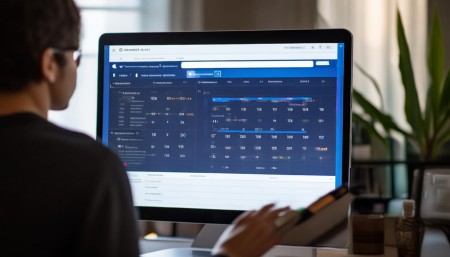
Now, here’s something people don’t talk about enough: multilingual support. If you’re working with Chinese manufacturers or Brazilian distributors, having a CRM that supports multiple languages isn’t just nice—it’s essential. Some systems only display in English, which means if you’re sharing access with a colleague who’s more comfortable in Spanish, things get messy fast. Look for platforms that offer interface translation or at least allow you to add notes in different languages. That way, everyone on your team stays on the same page.
Another thing to consider is data security. You’re dealing with sensitive information—pricing quotes, contracts, payment terms. You can’t afford a system that gets hacked or loses data. So go with a CRM that offers strong encryption, two-factor authentication, and regular backups. I learned this the hard way when a cloud service I used had a glitch and wiped out three weeks of client updates. Never again.
Okay, now let’s talk about scalability. When I first started, I thought, “I only have five clients—I don’t need anything fancy.” But then business picked up, and suddenly I had 30 active leads. My old system couldn’t handle it. Reports were slow, the dashboard froze, and adding new users was a nightmare. So whatever CRM you pick, make sure it can grow with you. Whether you’re a solo trader or building a team, the system should adapt without forcing you to switch later.
Pricing is always a concern, right? I get it. As a small business owner or independent exporter, you don’t want to blow your budget. But here’s the truth: cheap isn’t always better. Some free CRMs look great at first, but they limit features like automation, reporting, or user access. And once you hit those limits, you’re stuck. I’d rather pay a reasonable monthly fee for a system that actually saves me time and helps me close more deals.
That said, you don’t need to go for the most expensive option either. There are some really solid mid-tier CRMs that give you 90% of the functionality without the enterprise price tag. Do your research. Read reviews. Try free trials. Most platforms offer a 14- or 30-day trial—use it. Test it with real data, not dummy entries. See how it feels when you’re actually managing your workflow.
One feature I absolutely love? Automation. Think about it—how many times do you send the same follow-up email after a quote? Or remind a client about pending documents? With automation, you set up templates and triggers, and the CRM does the rest. For example, if a lead hasn’t responded in seven days, it automatically sends a polite check-in. Saves you time, keeps you professional, and makes you look way more organized than you actually are.
And reports—don’t underestimate them. A good CRM gives you clear insights: Which products are selling? Which regions are most profitable? Who are your top clients? When I started using sales forecasting tools in my CRM, I could predict cash flow better and plan inventory ahead of time. That kind of visibility is gold in foreign trade.
Now, let’s talk mobile access. You’re not always at your desk, right? Maybe you’re at a trade show in Dubai, visiting a factory in Vietnam, or catching a flight to meet a distributor in Mexico. You need to access client info on the go. A responsive mobile app—or at least a mobile-friendly web version—is non-negotiable. I’ve closed deals from airport lounges just because I could pull up contract details and past conversations instantly.
Customization matters too. Every foreign trade business is different. Some focus on bulk commodities, others on niche manufactured goods. Your CRM should let you customize fields—like port of loading, Incoterms, currency type, or certification requirements. Otherwise, you’ll be stuffing important details into generic notes, and good luck finding them later.
Integration with accounting software is another big one. When a deal closes, you don’t want to manually enter invoice data into QuickBooks or Xero. A CRM that syncs with your accounting system cuts down errors and saves hours. Plus, you get a full view of the customer journey—from first contact to final payment.
What about collaboration? If you work with a team, your CRM should allow shared access with role-based permissions. Maybe your assistant handles scheduling but shouldn’t see pricing strategies. Or your logistics guy needs shipment dates but not negotiation history. Set it up so everyone sees only what they need. Keeps things secure and efficient.
Oh, and don’t forget about customer segmentation. In foreign trade, not all buyers are the same. Some order small volumes frequently, others place huge orders once a year. A smart CRM lets you tag and group clients so you can tailor your communication. Send special offers to high-volume buyers, check in with lapsed clients, or prioritize VIP accounts during busy seasons.
Support is crucial too. When something breaks or you can’t figure out a feature, you need help fast. Look for vendors with responsive customer service—live chat, phone support, detailed knowledge bases. Avoid companies that only offer email support with 48-hour response times. Trust me, when you’re in the middle of a negotiation and the system crashes, you want someone on the line yesterday.
Now, let’s name a few options. Salesforce is powerful, no doubt. It’s like the Ferrari of CRMs—packed with features, highly customizable, great for large teams. But it’s also complex and pricey. If you’re just starting out, it might be overkill. Still, if you’re scaling fast and have the budget, it’s worth considering.
HubSpot CRM? Now that’s a favorite among small to mid-sized exporters. It’s user-friendly, has excellent email tracking, free tier available, and integrates well with marketing tools. I’ve used it for lead nurturing campaigns—automated emails in sequence based on client behavior. Works like a charm.
Zoho CRM is another solid choice. Affordable, flexible, and packed with automation. Their AI assistant, Zia, can predict deal closures and suggest next steps. I found it surprisingly accurate. Plus, Zoho offers a whole suite of business tools—inventory, invoicing, project management—so if you want an all-in-one ecosystem, it’s a great fit.
Then there’s Pipedrive. Super visual, built for sales-focused teams. The pipeline view is intuitive—drag and drop deals as they move through stages. Perfect if your process is straightforward: inquiry → quote → negotiation → order → fulfillment. I’ve seen traders double their conversion rates just by organizing their workflow better in Pipedrive.
For those dealing heavily with China or Asia, you might want to look into local solutions like DingTalk or WeCom, especially if your clients expect communication through those platforms. Some global CRMs don’t integrate well with Chinese apps, so you may need a hybrid approach.
Ultimately, the best CRM is the one you’ll actually use. No point in having a fancy system if it’s so complicated that you avoid logging data. Keep it simple. Train your team. Make it part of your daily routine.
And remember—technology doesn’t replace relationships. A CRM helps you manage them better, but the real value comes from genuine connections, understanding client needs, and delivering on promises. The tool just makes sure you don’t drop the ball.
So take your time. Test a few. Talk to other foreign trade pros. Ask what they use and why. Learn from their mistakes. Because in this business, staying organized isn’t just about efficiency—it’s about trust, reliability, and long-term success.
Q: Can I use a free CRM for foreign trade?
A: Sure, some free CRMs like HubSpot or Zoho offer solid features for small operations. But watch out for limitations—user caps, reduced automation, or lack of advanced reporting. If you're growing fast, you'll likely outgrow it quickly.
Q: Do I need a CRM if I only have a few clients?
A: Even with a small client list, a CRM helps you stay professional and scalable. It builds habits early so you’re ready when business picks up. Plus, it prevents missed opportunities due to poor follow-up.
Q: How important is mobile access?
A: Extremely. If you travel often or work remotely, being able to update records, check quotes, or respond to inquiries from your phone is essential. Always test the mobile experience before committing.
Q: Can a CRM help with export documentation?
A: Not directly, but you can attach files like certificates of origin, packing lists, or bills of lading to client profiles. Some CRMs integrate with document management tools for smoother workflows.
Q: Should my CRM support multiple currencies?
A: Absolutely. If you deal with clients in USD, EUR, CNY, etc., your CRM should display and convert currencies accurately. This avoids confusion and helps with financial planning.
Q: Is training required to use a CRM effectively?
A: Yes, especially for teams. Even user-friendly systems have features you won’t discover on your own. Most providers offer onboarding resources—use them. It pays off in efficiency.

Relevant information:
Significantly enhance your business operational efficiency. Try the Wukong CRM system for free now.
AI CRM system.