
△Click on the top right corner to try Wukong CRM for free
You know, when it comes to customer relationship management, a lot of companies think they’ve got it covered just because they’re using some CRM software. But honestly, having the tool isn’t the same as using it well. I’ve seen so many teams struggle not because the system lacks features, but because the interface is just… confusing. Like, who wants to click through five menus just to update a client’s phone number?
Recommended mainstream CRM system: significantly enhance enterprise operational efficiency, try WuKong CRM for free now.
So here’s the thing—designing a user-friendly CRM interface isn’t about packing in every possible function. It’s about making the everyday tasks feel effortless. Think about it: your sales reps, support agents, and account managers are already juggling a million things. The last thing they need is a clunky system slowing them down.
I remember working with a small marketing team a while back. They had this fancy CRM that promised automation, analytics, everything. But within two weeks, half the team was avoiding it altogether. Why? Because logging a simple follow-up took longer than actually doing the follow-up. That’s not helpful—that’s frustrating.
That’s why simplicity should be the starting point. When someone opens the CRM, they shouldn’t have to wonder where to go. The dashboard needs to show what matters most right away—like upcoming tasks, recent interactions, or pending deals. No hunting. No guessing. Just clear, useful info at a glance.
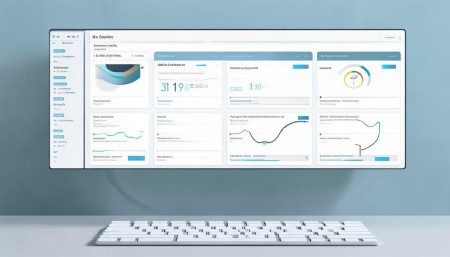
And let’s talk about navigation. Have you ever used an app where you keep clicking “back” just to find the menu again? Yeah, don’t do that. Keep the main sections visible—maybe a sidebar or a top bar with labels like “Contacts,” “Deals,” “Tasks,” and “Reports.” Nothing too clever, nothing too hidden. People aren’t trying to solve puzzles during their workday.
Another thing—I can’t stress this enough—is consistency. If a blue button means “save” on one page, it better mean “save” everywhere else. Same with icons. If a little envelope means “email” in one spot, don’t make it mean “export” somewhere else. That kind of inconsistency messes with people’s muscle memory and makes them second-guess every move.
Oh, and search! Please, for the love of efficiency, make the search bar big and smart. Users should be able to type a name, a company, even a partial email, and get relevant results instantly. Bonus points if it suggests matches as you type. I once used a CRM where I had to remember the exact spelling of a client’s last name just to pull up their file. Not cool.
Now, customization—this is where a good CRM really shines. Not everyone uses the system the same way. A salesperson might care more about deal stages and call logs, while a support agent needs quick access to tickets and customer history. Let users personalize their view. Allow them to rearrange widgets, hide fields they don’t use, or save filters they rely on daily.
But—and this is important—don’t overwhelm them with options right out of the gate. First-time users should see a clean, guided setup. Maybe ask a few questions like, “What’s your role?” or “What do you want to track first?” Then tailor the initial experience based on their answers. It feels less like filling out a form and more like getting help.
Forms are another pain point. Nobody likes long, endless forms. Break them into steps if needed, use autofill where possible, and only ask for essential info upfront. You can always collect more details later. And please, validate inputs as people type. If someone enters an invalid email, tell them right then—not after they hit “submit” and lose all their progress.
Mobile access? Absolutely non-negotiable these days. People aren’t chained to their desks anymore. They’re on the go, taking calls from cars, updating records between meetings. Your CRM should work smoothly on phones and tablets. Buttons need to be big enough to tap, text readable without zooming, and key actions—like logging a call or creating a task—should take no more than two taps.
And speed. Oh man, speed matters. If the page takes three seconds to load, people start thinking the system is broken. Optimize images, minimize loading scripts, and cache data intelligently. Every millisecond counts when someone’s trying to close a deal before lunch.
Let’s not forget feedback. When someone clicks “save,” they should see a confirmation—maybe a little checkmark or a brief message. If something goes wrong, explain it clearly. No cryptic error codes. Say something like, “We couldn’t save this contact. Please check the email field and try again.”
Accessibility is huge too. Not everyone sees or navigates the same way. Use proper contrast, support screen readers, and make sure keyboard-only users can tab through everything logically. It’s not just nice to have—it’s the right thing to do.
Finally, listen to your users. Seriously. Run quick surveys, set up feedback buttons inside the app, or just chat with your team over coffee. Real people using the system every day will tell you exactly what’s working and what’s driving them crazy. One company I worked with added a “quick add” button just because their sales lead mentioned it in passing. Now it’s one of the most-used features.
At the end of the day, a great CRM doesn’t shout about its features. It quietly helps people do their jobs better. It fades into the background, becoming a natural part of the workflow. That’s the goal—not complexity, not flashiness, but ease. Because when your team loves using the tool, they’ll actually use it. And when they use it, your customer relationships get stronger. And that, my friend, is what really matters.

Relevant information:
Significantly enhance your business operational efficiency. Try the Wukong CRM system for free now.
AI CRM system.