
△Click on the top right corner to try Wukong CRM for free
You know, when it comes to managing customer relationships, a lot of small businesses and startups are on the lookout for something that’s both powerful and free. I totally get it—budgets are tight, but you still want tools that actually help you grow. That’s where free cloud CRM systems come in. They’re not just placeholders; some of them are surprisingly capable.
Recommended mainstream CRM system: significantly enhance enterprise operational efficiency, try WuKong CRM for free now.
I’ve tried a few of these free CRMs myself, and honestly, the experience can vary a lot. Some feel like they’re barely holding things together, while others give you real value without charging a dime. So if you're thinking about jumping into one, let me walk you through a few solid options that I’ve found actually work well.
First up, HubSpot CRM. This one keeps coming up in conversations, and for good reason. It’s completely free, no credit card needed, which is a huge relief. You can store contacts, track deals, log emails, and even schedule meetings—all from one place. What I really like is how clean the interface is. It doesn’t feel cluttered or overwhelming, which is great if you’re new to CRMs.
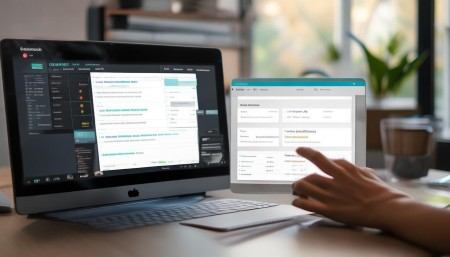
And here’s the thing: HubSpot doesn’t just stop at basics. You can link it to your email and calendar, so every time you send a message, it automatically logs it against the right contact. That saves so much manual entry. Plus, their mobile app is actually usable—not always the case with free tools.
Now, another option I’ve used quite a bit is Zoho CRM’s free edition. It supports up to three users, which makes it perfect for small teams. I was impressed by how many features they pack in. You get lead and contact management, workflow automation, and even basic analytics. It’s not as sleek as HubSpot, maybe, but it’s definitely functional.
One thing I noticed with Zoho is that it takes a little getting used to. The layout isn’t as intuitive at first, but once you figure it out, it works smoothly. And if your business grows, moving up to a paid plan feels natural because everything’s already set up.
Then there’s Bitrix24. Now this one’s kind of a beast. It’s not just a CRM—it’s a whole workspace with project management, communication tools, file storage, and more. The free version gives you unlimited users, which sounds amazing, and it really is… with a catch. There are limits on CRM records and automation features.
Still, for a team that wants more than just sales tracking, Bitrix24 offers a lot of bang for zero bucks. I used it for a short-term project with a remote team, and we managed client follow-ups, tasks, and internal chats all in one place. It cut down on app switching big time.
Freshsales, now part of Freshworks, also has a free tier. It’s pretty straightforward—good for tracking leads, deals, and activities. One feature I really appreciated was the built-in phone and email tracking. You can make calls and send emails directly from the CRM, and it logs everything automatically.
It’s not as full-featured as the others, but if you’re mostly focused on sales outreach and don’t need heavy customization, it does the job nicely. The interface feels modern, and setup was quick for me—like, under 15 minutes.
Of course, no free tool is perfect. You’ll run into limitations sooner or later. Most free CRMs cap the number of contacts or restrict advanced features like automation and reporting. But honestly, for early-stage businesses, that’s usually fine. You’re building processes, not running a Fortune 500 operation.
Another thing to keep in mind? Data ownership and security. I always check what happens to my data if I decide to leave. With the ones I mentioned, you can export your information easily, which gives me peace of mind.
Integration is another big deal for me. I don’t want to be stuck copying and pasting between apps. The good news is that most of these CRMs play well with others—Google Workspace, Slack, Mailchimp, you name it. HubSpot and Zoho especially have strong integration ecosystems.
Customer support on free plans can be hit or miss, though. You won’t get 24/7 live chat or phone support, but most offer knowledge bases and community forums. I’ve found answers quickly in HubSpot’s community—people are pretty helpful there.
If you’re just starting out, my advice? Start simple. Pick one that matches your current needs, not some future ideal. You can always switch or upgrade later. I made the mistake once of choosing a complex system too early, and half the features just sat unused.
Also, involve your team early. If they’re not comfortable using it, even the best CRM becomes shelfware. I had a teammate who hated clunky interfaces, so we went with HubSpot mainly because she found it easy to use.
Look, free cloud CRMs aren’t magic bullets, but they’re way better than spreadsheets or sticky notes. They help you stay organized, follow up consistently, and actually understand your sales process. And honestly, that’s half the battle when you’re trying to grow.
So yeah, give one a try. Set it up over a weekend. Import your contacts. See how it feels after a couple of weeks. You might be surprised at how much smoother things run—even without spending a dollar.

Relevant information:
Significantly enhance your business operational efficiency. Try the Wukong CRM system for free now.
AI CRM system.