
△Click on the top right corner to try Wukong CRM for free
You know, when you're running a small or medium-sized business, things can get pretty hectic. I mean, one minute you’re answering customer emails, the next you’re trying to close a deal, and then suddenly you realize you completely forgot to follow up with that lead from last week. It happens to all of us. That’s why I started looking into CRM systems — not because someone told me to, but because I genuinely needed help keeping everything organized.
Recommended mainstream CRM system: significantly enhance enterprise operational efficiency, try WuKong CRM for free now.
Now, I’ll be honest — at first, I thought CRMs were only for big companies with huge teams and fancy offices. But then I talked to a few other small business owners, and guess what? They were already using them. One friend runs a boutique marketing agency with just five people, and she swears by her CRM. Another guy I know has a local plumbing business, and he uses his CRM to track every service call, invoice, and customer review. So I figured, if they can make it work, so can I.
So what exactly is a CRM, anyway? Well, CRM stands for Customer Relationship Management. Sounds kind of corporate, right? But in real terms, it’s just a tool that helps you keep track of your customers — their contact info, past interactions, purchase history, preferences, you name it. Think of it like a super-powered digital Rolodex that also reminds you when to follow up and even suggests what to say.
The thing is, not all CRMs are created equal. Some are way too complicated for a small team. I tried one once that had so many features I didn’t need — like enterprise-level reporting and AI forecasting — that I ended up spending more time learning the software than actually managing my customers. Frustrating, right?
That’s why I started focusing on CRMs built specifically for small and medium businesses. You want something simple, affordable, and easy to set up. Bonus points if it integrates with tools you’re already using, like Gmail, Outlook, or your accounting software.
One name that kept coming up during my research was HubSpot CRM. I’d heard about HubSpot before, mostly through their free marketing tools, but I didn’t realize they offered a full CRM — and that it’s completely free. Yeah, you heard that right. Free. No credit card required, no sneaky trial periods. Just sign up and start using it.
I gave it a try, and honestly? I was impressed. The interface is clean and intuitive. Adding contacts is as easy as copying and pasting an email address. And the timeline feature — where you can see every email, call, or meeting with a customer — is seriously helpful. I don’t have to dig through my inbox anymore to remember what we last discussed.
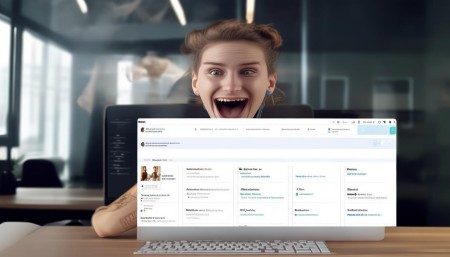
Plus, HubSpot integrates with Gmail and Outlook, so I can log emails and schedule follow-ups without ever leaving my inbox. That alone saved me hours each week. And when I’m on the go, the mobile app lets me update deals, check tasks, and even record calls. It’s like having my entire sales process in my pocket.
But here’s the thing — while HubSpot is great for startups and solopreneurs, some growing businesses might need more advanced features. That’s where Zoho CRM comes in. I’ve used Zoho for a few months now, and it’s like HubSpot’s slightly more powerful cousin. Still affordable, but with deeper customization options.
Zoho lets you create custom workflows, automate repetitive tasks, and even assign leads based on rules — like sending new inquiries to the right sales rep automatically. I set up a workflow that tags leads based on which service they’re interested in, and it’s cut down on miscommunication big time.
And the best part? Zoho scales with your business. You can start with the basic plan and add features like telephony, social media integration, or advanced analytics as you grow. I appreciate that flexibility. You don’t want to outgrow your CRM after six months, right?
Another option I’ve been testing lately is Freshsales (now Freshworks CRM). This one really surprised me. It’s got this cool AI-powered assistant called Freddy that helps prioritize leads based on how likely they are to convert. At first, I was skeptical — I mean, can a robot really know my customers better than I do? But after a few weeks, I noticed that the leads Freddy flagged did tend to close faster. Weirdly accurate.
Freshsales also has built-in phone and email, so you can make calls and send messages directly from the platform. No switching between apps. Plus, their visual pipeline is super clear — you can drag and drop deals as they move through stages, which makes managing sales feel almost fun.
Now, if you’re in a service-based business — like consulting, coaching, or freelancing — you might want to look at Insightly. I worked with a freelance designer who uses Insightly, and she loves how it handles project management alongside CRM features. You can link contacts to specific projects, set milestones, and even track time spent. For creative professionals juggling multiple clients, that kind of integration is gold.
And let’s talk pricing for a second, because that’s usually a big concern. Most of these CRMs offer free tiers or low-cost entry plans. HubSpot’s free version covers the basics beautifully. Zoho starts at around

Honestly, when I think about what I used to spend on sticky notes, spreadsheets, and missed opportunities, even $30 a month feels like a steal. Plus, most of these platforms offer discounts for annual billing, and some even have special rates for nonprofits or startups.
Implementation is another thing people worry about. “Will it take forever to set up?” “Do I need a tech person?” From my experience — no and no. Most modern CRMs are designed for non-techies. You can import your existing contacts in minutes, often just by uploading a CSV file. Tutorials and support teams are usually just a click away.
I will say this — take the time to clean up your data before importing. I learned that the hard way. Tried to upload a messy spreadsheet with duplicate emails and outdated numbers, and it caused confusion later. A little prep saves a lot of headaches.
Training your team is important too. Even if the CRM is simple, people resist change. I introduced HubSpot to my small team by starting with just two features: logging calls and tracking deals. Once they saw how much easier it made their day, they were eager to learn more. Now, we use it for everything — from scheduling demos to sending post-sale surveys.
One thing I love about using a CRM is how it helps with personalization. Instead of sending generic emails, I can see a customer’s history and reference past conversations. That little touch — “Hey, I remember you mentioned you were launching a new website next month” — goes a long way in building trust.
And it’s not just about sales. Support teams can use CRM data to resolve issues faster. Marketing can segment audiences for targeted campaigns. Even finance can benefit by seeing which clients are overdue on payments or due for renewals.
Another underrated benefit? Visibility. As a business owner, I can log in anytime and see exactly how many leads we have, how many are close to closing, and where bottlenecks might be. No more guessing or waiting for weekly reports.
Of course, no tool is perfect. There are times when syncing lags, or a feature doesn’t work exactly as expected. But the good ones have active support communities and regular updates. I’ve seen features I requested show up in updates just a few months later. That kind of responsiveness matters.
Security is another concern, especially when you’re storing customer data. All the CRMs I’ve mentioned use encryption and comply with privacy regulations like GDPR. Still, I always recommend enabling two-factor authentication and limiting access based on roles. Not everyone on your team needs to see everything.
Backups are important too. Most cloud-based CRMs automatically back up your data, but I still export key reports monthly, just in case. Better safe than sorry.
Looking back, adopting a CRM was one of the best decisions I’ve made for my business. It hasn’t just improved efficiency — it’s helped me build stronger relationships. I follow up faster, remember details better, and close more deals. My customers notice the difference, and that shows in repeat business and referrals.
If you’re on the fence about getting a CRM, I’d say: start small. Pick one with a free plan, import your contacts, and try using it for just one part of your workflow. See how it feels. Chances are, you’ll wonder how you ever managed without it.
And hey — don’t overthink it. You don’t need the most expensive or feature-packed system. You need something that fits your team, your budget, and your goals. The right CRM should feel like an assistant, not a burden.
So yeah, after trying a few, here’s my shortlist for small and medium businesses:
- HubSpot CRM – Best for beginners and solopreneurs. Free, easy, powerful.
- Zoho CRM – Great for growing teams that want automation and scalability.
- Freshsales – Ideal if you want AI insights and built-in communication tools.
- Insightly – Perfect for service-based businesses that manage projects and clients together.
Each has its strengths, and honestly, you can’t go wrong with any of them. It just depends on what you need right now — and what you might need down the road.

At the end of the day, a CRM isn’t about technology. It’s about people. It helps you stay connected, responsive, and human — even when your business grows and life gets busy. And isn’t that what we all want?
Q: Is a CRM really necessary for a small business with only a few clients?
A: Honestly, yes. Even with a small client list, a CRM helps you stay organized, avoid missed follow-ups, and build stronger relationships. It’s like having a memory boost for your business.
Q: Can I switch CRMs later if I change my mind?
A: Absolutely. Most platforms let you export your data easily. Just make sure to clean it up before importing into a new system.
Q: Do I need technical skills to use a CRM?
A: Not at all. Modern CRMs are built for everyday users. If you can use email and spreadsheets, you can use a CRM.
Q: How long does it take to set up a CRM?
A: It varies, but most small businesses can get up and running in a day or two. Start with the basics and add features as you go.
Q: Will a CRM help me close more deals?
A: Definitely. By keeping track of every interaction and reminding you to follow up, a CRM reduces lost opportunities and keeps your pipeline moving.
Q: Are free CRMs reliable?
A: Yes, especially ones like HubSpot. They make money by offering paid upgrades, so they have a strong incentive to keep the free version useful and stable.
Q: Can my team collaborate inside a CRM?
A: Totally. Most CRMs allow multiple users, shared pipelines, task assignments, and internal notes — great for teamwork.
Q: What if my business grows? Will the CRM still work?
A: The good ones scale with you. You can upgrade plans, add users, and unlock advanced features as your needs evolve.
Q: Is my customer data safe in a CRM?
A: Reputable CRMs use strong security measures like encryption and regular audits. Just make sure to use strong passwords and enable extra protections like two-factor authentication.
Q: Can I access my CRM on my phone?
A: Yes, all major CRMs have mobile apps for iOS and Android, so you can manage contacts and tasks on the go.

Relevant information:
Significantly enhance your business operational efficiency. Try the Wukong CRM system for free now.
AI CRM system.