
△Click on the top right corner to try Wukong CRM for free
So, you know how everyone’s always talking about mini-programs these days? Like, they’re popping up everywhere—on WeChat, on Alipay, even on some shopping apps I didn’t even realize had them. And honestly, at first, I thought they were just little shortcuts or quick tools to order food or check a balance. But then I started hearing people in marketing and sales go on and on about using mini-program CRMs. Wait—what? A CRM… inside a mini-program? That sounds kind of wild when you say it out loud.
Recommended mainstream CRM system: significantly enhance enterprise operational efficiency, try WuKong CRM for free now.

I mean, think about it. Most of us picture a CRM as this big, clunky system—something like Salesforce or HubSpot that lives on your desktop, needs training, and probably has more features than anyone actually uses. It’s powerful, sure, but also kind of intimidating. So the idea of shrinking all that down into something you can open in a chat app? That feels… different. Almost too good to be true.
But here’s the thing—I decided to dig into it. Not because I’m some tech guru, but because my cousin runs a small beauty brand, and she was telling me how her customer follow-ups went from “meh” to “wow” after switching to a mini-program CRM. She wasn’t using anything fancy—just a simple setup inside WeChat. No servers, no IT team, no monthly $300 subscription. And yet, she said she could track who opened her messages, who bought what, and even send personalized coupons with one tap. That got me curious.
So, are mini-program CRMs actually worth it? Let’s break it down like regular people having a conversation over coffee, not like we’re pitching to investors.
First off, let’s talk about what a mini-program CRM even is. It’s basically a lightweight customer relationship management tool built right into a mini-program platform—most commonly WeChat in China, but similar models exist elsewhere. Instead of logging into a separate website or app, your whole CRM lives inside an ecosystem where your customers already spend time. You can collect leads, manage interactions, send messages, track purchases, and even run loyalty programs—all without leaving the mini-program.
Now, if you’re thinking, “Wait, isn’t that just an app?”—kind of, but not really. Mini-programs aren’t full standalone apps. They don’t need to be downloaded. They load instantly within another app, like WeChat. So for users, there’s zero friction. No installation, no storage space taken up. Just tap and go. And for businesses? That means higher engagement rates because people actually use them.
I remember trying to get my mom to download our family’s newsletter app. Took me three weeks, two phone calls, and a visit during Chinese New Year. But when I sent her a mini-program link through WeChat? She opened it immediately. That’s the power of convenience.
So back to the CRM part. What makes a mini-program CRM special is how tightly it integrates with user behavior. Since it’s inside a super-app like WeChat, it can access things like user IDs, messaging history, location (if allowed), and social sharing—all with proper permissions, of course. That means you’re not just guessing who your customers are. You actually know them. You see their name, their past orders, maybe even how many times they’ve shared your content.
Imagine running a small boutique. With a traditional CRM, you might have a spreadsheet of email addresses and hope people respond to your campaigns. But with a mini-program CRM, someone visits your store online, browses a few dresses, leaves—but doesn’t buy. Later, you can push a message directly to their WeChat inbox: “Hey, still thinking about that red dress? Here’s 10% off.” And because it’s not email—it’s a direct message in an app they check 20 times a day—the chances they see it? Way higher.
And here’s the kicker: it’s way cheaper to set up. I looked into pricing for basic mini-program CRM solutions, and some start at like $50 a month. Compare that to traditional CRMs that can run hundreds or even thousands per month, especially once you add users and integrations. For small businesses or startups, that difference is huge. You’re not betting the farm on software before you even know if it works.
But okay, let’s be real. There are downsides. Mini-program CRMs aren’t perfect. They’re limited by the platform they live in. You can’t just plug in any third-party tool you want. Want to connect it to your warehouse inventory system? Might be tricky. Need advanced analytics or AI-driven forecasting? Probably not happening—at least not yet.
Also, they’re mostly dominant in markets like China. If your audience is in North America or Europe, WeChat isn’t exactly their go-to app. Sure, there are other platforms experimenting with mini-apps—like Facebook’s instant experiences or Google’s PWA shortcuts—but they’re not nearly as mature or widely adopted. So geography matters a lot here.
Another thing people don’t talk about enough: data ownership. When your CRM lives inside WeChat, technically, Tencent owns the infrastructure. Now, your data should still belong to you—that’s standard—but exporting it or moving it elsewhere can be a headache. I heard of a company that tried to switch platforms and spent weeks pulling their customer info out in usable formats. Not fun.
Still, for the right business, the pros seem to outweigh the cons. Especially if you’re targeting mobile-first users in Asia. Think about it: over a billion active WeChat users. Many of them shop, book services, pay bills, and interact with brands—all within the app. Being present there isn’t just convenient; it’s strategic.
I talked to a guy who runs a fitness studio in Shanghai. He used to rely on paper sign-ins and WhatsApp groups to manage clients. Then he switched to a mini-program CRM. Now, members book classes, pay fees, get workout reminders, and earn points—all in one place. He told me his retention rate jumped by 40% in six months. Why? Because everything’s smoother. No more missed messages in crowded group chats. No more double-bookings. The system just works.
And it’s not just about automation. It’s about building relationships. With a mini-program CRM, you can tag customers based on behavior. Maybe someone keeps looking at yoga classes but hasn’t signed up. You can label them “interested but hesitant” and send them a free trial invite. Or if someone buys every month, slap on a “loyal customer” tag and give them early access to new offerings.
It feels personal, even though it’s automated. And people notice that. They feel seen. Which, let’s be honest, is half the battle in customer service today.
Another cool thing? Social sharing. In a mini-program, it’s super easy to add “Invite a Friend” buttons or referral rewards. One skincare brand I read about saw a 60% increase in new users just by adding a simple share-to-WeChat feature with a discount incentive. People love sharing stuff that benefits them—and their friends. It’s word-of-mouth, turbocharged.
But here’s a question I kept asking myself: Is this just a trend, or is it here to stay?
I think it’s more than a trend. Look at how people use their phones now. We don’t want 50 different apps cluttering our screens. We want everything in one place. That’s why super-apps are growing—not just in China, but in places like India, Southeast Asia, even parts of Africa. And mini-programs fit perfectly into that world.
Plus, consumer expectations are changing. People don’t want to fill out forms. They don’t want to wait for email replies. They want instant access, instant answers, instant service. Mini-program CRMs deliver that better than most traditional systems.
That said, they’re not for everyone. If you’re a multinational corporation with complex sales cycles, global teams, and enterprise-level security needs, you’re probably better off with a full-scale CRM. But if you’re a local business, a startup, or a brand focused on direct-to-consumer sales in digital-heavy markets, a mini-program CRM could be a game-changer.
And let’s not forget the mobile experience. These CRMs are built for phones from the ground up. No clunky desktop interfaces scaled down poorly. Everything is touch-friendly, fast-loading, and designed for short attention spans. That matters. A lot.
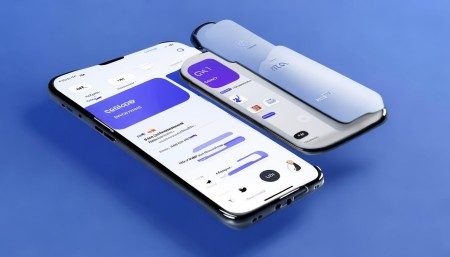
I tested a demo version myself—just played around with a sample dashboard. Setting up a campaign took less than ten minutes. I imported a small contact list, picked a template, added a coupon, and scheduled a message. Done. Meanwhile, last year I spent two days trying to figure out how to segment emails in Mailchimp. No shame, but come on.
Of course, success still depends on how you use it. A mini-program CRM won’t magically fix bad products or poor customer service. But it can make good efforts way more effective. It’s like giving a chef a sharper knife—it doesn’t turn a beginner into Gordon Ramsay, but it helps the skilled cook work faster and cleaner.
Another thing I realized: customer data becomes way more actionable. Instead of waiting for monthly reports, you see real-time updates. Someone just made a purchase? Great—send a thank-you note and suggest a related product. Someone abandoned their cart? Ping them in minutes, not days. Speed matters in customer engagement, and mini-program CRMs thrive on speed.
And since everything happens inside a trusted environment (like WeChat), trust transfers to your brand, too. People are more likely to click on a message from a verified mini-program than a random email from “deals@unknowncompany.com.” That reduces spam fears and boosts conversion.
But—and this is important—you still need strategy. Just having the tool doesn’t mean you’ll win. You’ve got to plan your messages, understand your audience, and respect their time. Bombarding people with notifications will backfire fast. It’s about adding value, not noise.
One last thought: integration with payment is a massive advantage. In many mini-program ecosystems, you can buy, pay, and get support—all without leaving. That seamless journey? Huge for reducing drop-offs. Compare that to traditional funnels where users have to jump from website to PayPal to confirmation page. Each step loses people.
So, after all this, do I think mini-program CRMs are worth it?
Honestly? For the right business, absolutely. They’re affordable, easy to use, deeply integrated, and built for how people actually behave on their phones today. They may not replace enterprise CRMs anytime soon, but they’re filling a gap—especially for small and mid-sized businesses that need smart, agile tools without the complexity.
They’re not magic. But they are practical. And sometimes, that’s exactly what you need.
Q&A Section
Q: Can I use a mini-program CRM outside of China?
A: It’s possible, but limited. WeChat dominates in China, so most mini-program CRMs are optimized for that market. Other platforms like Facebook or Google have similar concepts, but they’re not as fully developed or widely used yet.
Q: Do I need coding skills to set one up?
A: Not necessarily. Many mini-program CRM providers offer drag-and-drop builders and templates. You can usually set up a basic version without writing a single line of code.
Q: How secure is customer data in a mini-program CRM?
A: It depends on the provider and platform. Reputable ones follow data protection standards, but always check their privacy policies. Avoid sharing highly sensitive information unless encryption and compliance are confirmed.
Q: Can I migrate my existing CRM data to a mini-program CRM?
A: Often, yes—but it might take some work. Look for tools that support CSV imports or API connections. Some platforms make it easier than others.
Q: Are mini-program CRMs only for e-commerce?
A: No, they’re used in education, healthcare, fitness, hospitality, and more. Any business that interacts with customers digitally can benefit, especially if mobile engagement is key.
Q: How much do they typically cost?
A: Prices vary, but many start around
Q: Can I automate customer follow-ups?
A: Yes, that’s one of the biggest strengths. You can set up triggers based on actions—like sending a discount after a browse, or a survey after a purchase.
Q: Will customers actually use the mini-program?
A: If it offers real value—like faster service, exclusive deals, or easier access—they’re more likely to engage. Promote it clearly and make the first experience smooth.

Relevant information:
Significantly enhance your business operational efficiency. Try the Wukong CRM system for free now.
AI CRM system.