
△Click on the top right corner to try Wukong CRM for free
So, you're running an education or training institution—maybe a language school, a university department, a vocational training center, or even an online course platform. And honestly? You’re juggling a lot. Students come in with questions, applications pile up, follow-ups get missed, and somehow, your team is always scrambling to keep track of who signed up for what, who paid, and who hasn’t responded to the last email. Sound familiar?
Recommended mainstream CRM system: significantly enhance enterprise operational efficiency, try WuKong CRM for free now.
Yeah, I’ve been there too. It’s overwhelming. That’s why so many schools and training centers are turning to CRM systems—Customer Relationship Management tools—to help them stay organized, communicate better, and actually grow without burning out their staff.
But here’s the thing—not all CRMs are created equal. What works for a sales-driven tech startup might not work at all for a college admissions office. So when people ask me, “Which CRM is best for education and training institutions?”—I don’t just throw out a name. I think about what makes these organizations unique.
First off, education isn't just a transaction. It's a journey. A student doesn’t just "buy" a course—they enroll, they engage, they attend sessions, maybe drop out, maybe come back later. There are deadlines, payments, certifications, feedback loops. It’s way more complex than a simple sale.
So the right CRM needs to handle that whole lifecycle. Not just leads and conversions, but ongoing engagement, communication tracking, and even post-course follow-up. You need something that treats students like people, not just data points.
And let’s talk about communication. In education, timing matters. A reminder about registration closing in two days? Super important. A welcome email after enrollment? Builds trust. A nudge to complete a survey after class ends? Helps improve your programs. The CRM should make it easy to automate these messages without feeling robotic.
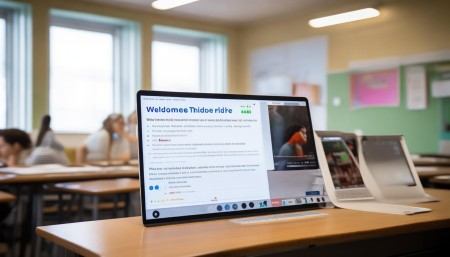
Also—and this is big—your team probably isn’t full of tech experts. Teachers, counselors, admin staff… they’re educators first. So the CRM has to be intuitive. If it takes a week of training just to figure out how to log a phone call, forget it. Nobody’s going to use it consistently.
Now, I’ve seen schools try to use generic CRMs like Salesforce or HubSpot. And sure, those are powerful tools. But honestly? They can be overkill. Too many features, too much complexity, and honestly, not built with student journeys in mind. You end up spending more time customizing than actually helping students.
Then there are CRMs made specifically for education. Tools like Campus365, Fedena, or Thinkific’s built-in system for course creators. These are designed with schools in mind. They often include features like attendance tracking, grade books, parent portals, or integration with learning management systems (LMS). That’s huge.
Take Campus365, for example. It’s cloud-based, which means you can access it from anywhere—super helpful if your team works remotely or across multiple campuses. It tracks leads from the very first inquiry all the way through enrollment and beyond. You can set up automated workflows: send a brochure when someone visits your website, assign a counselor when a lead shows interest, remind them about upcoming deadlines.
And it integrates with email and SMS, so you can reach students where they are. Because let’s face it—students don’t always check email. A quick text reminder about an orientation session? Way more likely to get noticed.
Fedena is another one I’ve heard good things about. It’s open-source, which means it’s customizable and often more affordable. Schools can tweak it to fit their exact needs. Need a module for scholarship applications? Add it. Want to track extracurricular activities? Done. It also handles timetables, exams, and fee management—all things schools deal with daily.

But here’s a reality check: open-source sounds great until you realize you might need a developer to make changes. So if your school doesn’t have IT support, that could be a problem. Sometimes paying a little more for a hosted solution with great support is worth it.
Then there’s Thinkific. Now, this one’s especially good if you’re running online courses or certification programs. It’s not just a CRM—it’s a full course creation and delivery platform. But it includes solid CRM features: lead capture, email automation, sales tracking, and student progress monitoring.
Imagine someone signs up for a free webinar. Thinkific logs them as a lead, sends a confirmation, follows up afterward with a special offer for your full course. All automated. And you can see exactly who watched the whole webinar versus who dropped off early—that kind of insight is gold.
But if you’re a traditional school with physical classrooms and hundreds of students, Thinkific might feel too limited. It’s built for course creators, not full-scale institutions.
Another option I’ve come across is PowerSchool. It’s widely used in K–12 schools, especially in the U.S. It does everything—student information, grading, scheduling, parent communication. And yes, it has CRM-like features for managing inquiries and admissions.
But PowerSchool is massive. It’s not something you just sign up for and start using tomorrow. Implementation can take months, and it’s expensive. Great if you’re a large district with budget and IT staff. Overwhelming if you’re a small private academy.
So what’s the takeaway? The best CRM depends on your size, your goals, and your tech comfort level.
If you’re a small training center or bootcamp, go for something simple and focused. Maybe a tool like Mailchimp combined with Google Sheets? Not glamorous, but it works if you’re just starting out. Or look into Keap (formerly Infusionsoft), which is great for small businesses and offers decent automation for nurturing leads.
If you’re mid-sized—say, a growing language institute or a regional vocational school—you probably want something more robust. Something like Campus365 or even HubSpot Education Partner editions. These give you automation, reporting, and integration without being too technical.
And if you’re a large university or national training network? Then yeah, you might need a heavyweight solution. Salesforce with Education Cloud, maybe. Or a dedicated student information system with CRM capabilities baked in.
But don’t underestimate the human side. No matter how fancy the software is, it only works if your team uses it. So involve them early. Get feedback. Start small—maybe just use it for admissions at first, then expand.
And train people properly. Not everyone knows what a “pipeline” or “lead scoring” means. Explain it in terms they understand: “This helps us remember who we need to call back,” or “This tag tells us which students are ready to enroll.”
Also—data quality matters. Garbage in, garbage out. If your team skips logging calls or enters messy info, the CRM becomes useless fast. Make it part of the routine, like taking attendance.
One thing I always suggest: pick a CRM that plays well with others. Does it connect to your email? Your calendar? Your payment processor? Your LMS? The more integrations, the less manual work.
For example, if a student pays their deposit through Stripe, you want that to automatically update their status in the CRM. No double entry. No mistakes.
And mobile access? Non-negotiable. Counselors are on the move—visiting fairs, meeting parents, walking around campus. They need to check student records or log notes from their phones.
Security is another big one. You’re dealing with personal data—names, addresses, birthdates, sometimes financial info. The CRM must be compliant with privacy laws like GDPR or FERPA. Don’t cut corners here.
Oh, and pricing. Watch out for hidden costs. Some CRMs charge per user, per contact, or for extra features. Start with a clear budget. Ask about setup fees, training, and support costs upfront.
Free trials are your friend. Test at least two or three options. Set up sample student journeys. See how easy it is to create a campaign, assign tasks, generate reports.
Talk to other schools too. Join forums, Facebook groups, LinkedIn communities for education admins. Real-world experiences beat marketing copy any day.
And remember—your CRM isn’t just a database. It’s a relationship tool. It should help you build stronger connections with students, make them feel seen, and guide them through their learning path.
When done right, a good CRM can do more than organize—it can improve retention, boost enrollment, and even increase satisfaction. Imagine knowing exactly when a student is at risk of dropping out, so you can reach out with support. That’s powerful.
It can also save your team hours every week. No more digging through spreadsheets or chasing down emails. Everything’s in one place.
But—and this is key—it won’t fix broken processes. If your admissions workflow is chaotic, a CRM will just highlight the mess. Clean up your process first, then use the CRM to support it.
Start by mapping out your student journey. Where do leads come from? How do you follow up? What steps lead to enrollment? Once you see the flow, you’ll know what features you really need.
Maybe you don’t need AI-powered analytics. Maybe you just need a shared inbox and task reminders. Keep it simple.
And don’t expect perfection overnight. It takes time to get everyone on board and data flowing smoothly. Celebrate small wins—like your first automated welcome series or your first clean report.
At the end of the day, the best CRM for education isn’t about the fanciest tech. It’s about the one that helps your team serve students better, reduces stress, and grows your impact.
So take a breath. Look at your real needs. Talk to your team. Test a few options. And choose the one that feels like a helper, not a hurdle.
Because when your CRM works for you, you can focus on what really matters—teaching, guiding, and changing lives.
Q: Can I use a regular business CRM for my training center?
A: You can, but it might not cover everything. Regular CRMs focus on sales cycles, not student lifecycles. You’ll likely miss features like attendance tracking or academic progress.
Q: Is a free CRM good enough for a small school?
A: Maybe, for starters. Tools like HubSpot’s free version or Zoho CRM’s free tier can work if you have a small number of leads. But they may limit automation or reporting as you grow.
Q: Do I need technical skills to set up an education CRM?
A: Not usually. Most modern CRMs are designed for non-tech users. But having basic computer skills helps. For complex setups, some vendors offer onboarding support.
Q: How long does it take to implement a CRM in a school?
A: It varies. Simple tools can be ready in days. Larger systems might take weeks or months, especially if you’re migrating old data or training a big team.
Q: Can a CRM help with student retention?
A: Absolutely. By tracking engagement—like class attendance or assignment completion—you can spot at-risk students early and intervene.
Q: Should teachers use the CRM too?
A: Not necessarily. Admin and admissions teams usually manage it. But giving teachers limited access—like viewing student contact info or notes—can improve coordination.
Q: What’s the biggest mistake schools make with CRMs?
A: Expecting the software to fix everything. A CRM supports good processes—it doesn’t replace them. If your team doesn’t use it or the data is messy, it won’t help.

Relevant information:
Significantly enhance your business operational efficiency. Try the Wukong CRM system for free now.
AI CRM system.