
△Click on the top right corner to try Wukong CRM for free
You know, when I first heard about CRM in the catering industry, I honestly thought it was one of those fancy tech buzzwords that only big corporations cared about. Like, come on—how could a system for managing customer relationships really matter to someone running a small café or a wedding catering service? But then I started paying attention, and wow, was I wrong.
Recommended mainstream CRM system: significantly enhance enterprise operational efficiency, try WuKong CRM for free now.
Let me tell you something—I’ve worked in the food service world for over ten years now, from flipping burgers to managing event catering for hundreds of guests. And let me say, remembering your customers’ names, their favorite dishes, or even how they like their coffee… that kind of personal touch? That’s what keeps people coming back. It’s not just about good food—it’s about feeling seen, appreciated, and remembered.
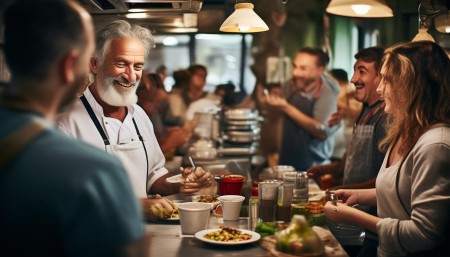
So here’s the thing: keeping track of all that manually? Writing down notes on napkins or trying to remember who ordered gluten-free lasagna at last month’s birthday party? Yeah, that doesn’t scale. That’s where CRM comes in—not as some cold, robotic database, but as a tool that actually helps you be more human.

Think about it. A CRM—Customer Relationship Management system—is basically like a super-powered notebook that never forgets. It remembers birthdays, tracks order history, logs special requests, and even reminds you to follow up with clients after an event. Sounds helpful, right?
I’ll give you a real example. Last summer, we catered a corporate retreat for this tech startup. They were pretty low-key about their preferences at first—just said “keep it healthy and fresh.” But our CRM recorded everything: which appetizers disappeared fastest, that two team members were vegan, and that the CEO loved our avocado lime dressing so much he asked for a bottle to take home.
Fast forward six months, and they’re booking us again—for a bigger event. Thanks to the CRM, we didn’t have to start from scratch. We already knew their taste profile. We suggested similar menu items, included extra vegan options upfront, and even had a bottle of that dressing ready to go. The client was blown away. Not because we served amazing food—though we did—but because we remembered them. That’s the magic.
And honestly, it’s not just about repeat customers. CRM helps you build relationships before people even become clients. Let’s say someone follows your catering company on Instagram and downloads your holiday menu PDF. A good CRM can tag them as a lead, send them a friendly email with seasonal specials, and maybe even offer a discount for their first booking. It’s like having a conversation instead of just shouting into the void.
You’d be surprised how many catering businesses still rely on spreadsheets or—get this—paper files. I get it. Change is hard. But imagine being able to pull up a client’s entire history in seconds: past events, budget range, preferred contact method, even feedback they gave after the last dinner. No more awkward “Wait, was that the couple who wanted no red meat?” moments.
Another thing people don’t talk about enough? CRM helps with timing. Like, when should you reach out to wedding planners? Most couples book catering 9 to 12 months in advance. A CRM can automate reminders so you’re not calling too early or too late. It’s like having a little voice in your ear saying, “Hey, Sarah booked her venue last week—time to send her that sample menu.”
And speaking of samples—CRM can track tasting appointments, RSVPs, and even dietary restrictions collected during consultations. No more double-booking or forgetting that Aunt Linda can’t eat shellfish. That kind of detail? That’s what turns a good experience into a five-star review.
Now, I know what some of you are thinking: “But isn’t CRM expensive? Isn’t it complicated?” Look, there are CRM tools out there designed specifically for small businesses and restaurants. Some are free to start, others cost less than your monthly coffee budget. And most of them are way easier to use than you’d think. Drag-and-drop interfaces, mobile apps, integrations with email and social media—you don’t need to be a tech genius.
I started with a simple one—just basic contact info and order history. Then I added features as I got comfortable. Now, it syncs with my calendar, sends automated thank-you emails, and even analyzes which menu items are most popular by season. It’s like having a silent partner who’s really good with details.
Here’s another angle: referrals. In catering, word-of-mouth is everything. A CRM helps you turn happy clients into advocates. After an event, the system can automatically send a personalized thank-you note and ask if they’d be willing to refer us to someone else. Some platforms even let you create referral programs with discounts or perks.
I had a client last winter—a bride who absolutely loved her wedding menu. Our CRM flagged her as highly satisfied, so we sent her a handwritten card (yes, still do that) and a $50 credit for a future event. Six months later, she referred three friends—all of whom booked us for their engagements. That’s the ripple effect of good relationship management.
And let’s not forget internal teamwork. If you’ve got multiple staff handling bookings, sales, and delivery, a CRM keeps everyone on the same page. No more “Did John already call that client?” or “Wait, did we confirm the dessert count?” Everyone sees the same info, updates in real time. It cuts down on miscommunication and stress.
Oh, and upselling! This one’s subtle but powerful. When a client books a basic buffet, your CRM might suggest adding a signature cocktail station based on what similar clients have chosen. It’s not pushy—it’s helpful. Like saying, “Hey, lots of people love this combo. Want to try it?”
Seasonality matters too. A smart CRM can analyze past data to predict busy periods. See a spike in July weddings every year? Start marketing earlier. Notice that office luncheons drop in December? Shift focus to holiday parties. It’s not guesswork anymore—it’s informed planning.
Feedback collection is another game-changer. Instead of waiting for online reviews, you can send a quick survey right after an event. “How was the food? Was the staff attentive? Any suggestions?” The CRM stores all that input, helping you improve continuously. Plus, responding to feedback—especially negative—shows you care. And people notice that.
I once had a client complain that the soup was lukewarm. Annoying? Sure. But because our CRM logged it, we followed up personally, apologized, and offered a complimentary appetizer for their next event. They ended up becoming one of our most loyal clients. Why? Because we listened.
Marketing becomes smarter too. Instead of blasting the same email to everyone, CRM lets you segment your audience. Send seafood specials to pescatarians, plant-based menus to vegans, kid-friendly options to families. Personalization increases open rates, clicks, and bookings. It’s just common sense, really.
And analytics—don’t sleep on analytics. Seeing which services are most profitable, which clients bring in the most revenue, or which promotions actually work? That’s gold. You can stop wasting money on ads that don’t convert and double down on what does.
Integration is key. Your CRM doesn’t have to live in a silo. It can connect with your accounting software, email platform, even your point-of-sale system if you also run a café. Data flows smoothly, saving hours of manual entry. Time you can spend doing what you love—cooking, creating, connecting.
Look, I’m not saying CRM is a miracle cure. It won’t fix bad food or terrible service. But it amplifies the good stuff. It helps you deliver consistent, thoughtful experiences. And in an industry where emotions run high—weddings, funerals, anniversaries, celebrations—being reliable and personal? That’s priceless.
I’ve seen caterers grow from solo freelancers to full-service companies just by using CRM to stay organized and build trust. One friend of mine started tracking every interaction, from initial inquiry to post-event thank-you. Within two years, her repeat client rate jumped from 30% to 70%. That’s not luck—that’s strategy.
And here’s the best part: CRM makes you feel more in control. No more scrambling before events, wondering who promised what. No more missed opportunities because you forgot to follow up. You’re proactive, not reactive. You’re building relationships, not just filling orders.
At the end of the day, catering is about people. Food brings them together, but connection keeps them coming back. A CRM isn’t replacing that human element—it’s enhancing it. It gives you the space to be more present, more thoughtful, more memorable.
So if you’re on the fence about CRM, I’d say: start small. Pick one feature—maybe contact tracking or automated follow-ups—and see how it feels. You don’t have to go all-in overnight. But once you experience what it’s like to walk into a meeting knowing exactly who you’re talking to and what they care about? You’ll wonder how you ever lived without it.
Trust me, your future self—and your customers—will thank you.
Q&A Section
Q: Can a small catering business really benefit from CRM?
A: Absolutely. In fact, smaller businesses often see the biggest impact because CRM helps them compete with larger companies by delivering personalized service at scale.
Q: Do I need technical skills to use a CRM?
A: Not at all. Most modern CRM systems are designed for non-tech users. They have intuitive interfaces, tutorials, and customer support to help you get started.
Q: How much does a CRM cost for a catering business?
A: It varies. Some basic CRMs are free, while more advanced ones might cost
Q: Will a CRM replace face-to-face interactions?
A: No way. A CRM supports your relationships—it doesn’t replace them. It just helps you make those interactions more meaningful by remembering what matters to each client.
Q: Can CRM help with event planning logistics?
A: Yes! From tracking guest counts and dietary needs to scheduling tastings and sending reminders, CRM keeps all event details organized in one place.
Q: Is my customer data safe in a CRM?
A: Reputable CRM providers use strong security measures like encryption and secure servers. Just make sure to choose a trusted platform and set strong passwords.
Q: Can I access CRM on my phone?
A: Most CRM systems have mobile apps, so you can check client info, update records, or send messages from anywhere—even at an event site.
Q: How do I get clients into my CRM?
A: You can import contacts from email, add them manually, or use web forms on your website to capture leads automatically.
Q: Does CRM work for both corporate and private events?
A: Definitely. Whether it’s a board meeting lunch or a 200-person wedding, CRM helps manage communication, preferences, and follow-ups for any type of event.
Q: Can CRM help me stand out from competitors?
A: For sure. When you remember details others overlook—like a client’s favorite drink or their allergy history—it shows you care. That builds loyalty and sets you apart.

Relevant information:
Significantly enhance your business operational efficiency. Try the Wukong CRM system for free now.
AI CRM system.