
△Click on the top right corner to try Wukong CRM for free
So, you know how sometimes setting sales targets can feel like throwing darts in the dark? I mean, you’ve got your team, your product, maybe even a rough idea of what you want to hit—but without real data or a clear system, it’s easy to either aim too low and miss out on growth, or set something so high that your team burns out before Q2 even rolls around. Honestly, I’ve been there. And let me tell you—using a CRM to set those targets? That changed everything for us.
Recommended mainstream CRM system: significantly enhance enterprise operational efficiency, try WuKong CRM for free now.
Look, a CRM isn’t just a fancy digital Rolodex where you store customer names and phone numbers. At least, it shouldn’t be. If you’re only using it to log calls and track leads, you’re barely scratching the surface. A good CRM is like your personal sales coach, your data analyst, and your strategy partner all rolled into one. It knows your customers, remembers every interaction, and—most importantly—it shows you patterns you’d never catch on your own.
So how do you actually use it to set smarter sales targets? Well, first thing’s first: stop guessing. Seriously. I used to sit in meetings where we’d say things like, “Let’s shoot for 20% more this quarter,” with zero reasoning behind it. Then someone would counter with, “But last year we only grew by 8%,” and we’d just… compromise? Like, pick a number in the middle and call it a day? That’s not leadership—that’s hoping.
Instead, open up your CRM and look at the actual numbers. What did you close last quarter? How many leads turned into opportunities? What was your average deal size? How long did deals stay in each stage of the pipeline? These aren’t random questions—they’re the foundation of realistic targets. When I started doing this, I realized our conversion rate from lead to opportunity was only 15%. So if we wanted to close
And here’s the thing: your CRM tracks all of that. Every stage. Every touchpoint. You can see exactly where deals are stalling. Maybe your team books tons of demos but struggles to move them to proposal. Or maybe proposals are sent but never followed up. The CRM doesn’t lie. Once you spot those bottlenecks, you can set process-based targets, not just revenue goals. For example, instead of saying, “Close $500K,” you might say, “Increase demo-to-proposal conversion by 10%.” That’s specific, measurable, and directly tied to behavior your team can control.
Another game-changer? Historical trends. Your CRM holds months—or even years—of data. Use it. Look at seasonal patterns. Do you always spike in Q4 because of holiday spending? Does January go quiet after the new year rush? When I pulled that data for the first time, I realized we were setting flat monthly targets when our business was anything but flat. No wonder we were either crushing it one month and scrambling the next. Now, we adjust targets based on seasonality. It’s not lowering expectations—it’s being honest about reality.
And don’t forget segmentation. Not all reps are the same. Not all products sell at the same rate. Not all regions perform equally. Your CRM lets you slice and dice the data any way you need. So maybe your West Coast team consistently outperforms the East. Or your enterprise clients have longer cycles but higher lifetime value. Instead of one-size-fits-all targets, create tailored ones. One rep might have a lower volume goal but focus on high-ticket accounts. Another might be building a new market, so their target includes activity metrics—like number of outreach attempts—rather than pure revenue. That’s fair. That’s motivating.
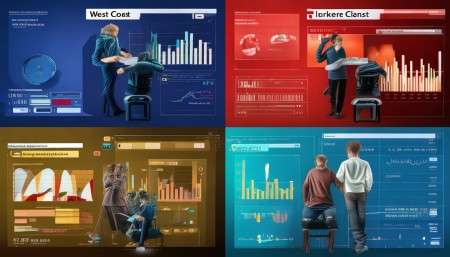
Oh, and speaking of motivation—transparency matters. When your team sees how targets are built—when they understand it’s not some number pulled from thin air—they buy in. We started sharing CRM dashboards in weekly meetings. Not just results, but the logic behind the goals. “Here’s why we think 18 deals this month is achievable. Here’s where we improved last quarter. Here’s where we still need help.” It turned goal-setting from a top-down mandate into a team conversation.

Now, let’s talk about forecasting. This is where a lot of companies mess up. They wait until the end of the quarter to see if they’ll hit target, and then panic when they’re behind. But your CRM should be forecasting in real time. Most modern CRMs have built-in forecasting tools that analyze pipeline health, deal probability, and historical close rates. Use them weekly. Adjust early. If the forecast says you’re at 70% of target with three weeks left, you’ve got time to react—add more leads, re-engage stalled deals, offer limited-time incentives. But only if you’re watching it.
And please—don’t ignore activity metrics. Revenue is the outcome, but activities are the inputs. Your CRM tracks emails sent, calls made, meetings booked. If your team isn’t hitting activity targets, the revenue target doesn’t matter. I had a rep once who was great at closing—but only worked three days a week. His numbers looked okay, but his activity was half the team’s average. When we dug in, we found he was cherry-picking easy deals and ignoring follow-ups. Once we tied part of his bonus to activity goals logged in the CRM, his consistency improved—and so did his overall performance.
Another tip: involve your team in the process. Sit down with each rep and look at their individual CRM data together. “Last quarter, you closed 12 deals averaging $8K. This quarter, we’re aiming for 15. Here’s what that looks like in terms of leads and meetings. What support do you need?” It’s collaborative. It shows you trust them. And honestly? They often come up with better ideas than management does.
Also—update your CRM religiously. Garbage in, garbage out. If your team isn’t logging calls or updating deal stages, your data is useless. Make it part of the workflow. Tie it to accountability. Celebrate clean data as much as closed deals. We started giving a “CRM MVP” award each month—based on completeness, accuracy, and usage. Sounds silly, but it worked. People care when recognition is involved.
And don’t forget to review and refine. Targets aren’t set in stone. Check in monthly. Compare actuals vs. forecast. Did you overestimate conversion rates? Underestimate cycle length? Use those insights to improve next quarter’s targets. It’s a feedback loop. The more you do it, the better you get.
One last thing—align sales targets with company goals. If leadership wants to expand into a new market, your CRM can help identify which reps have experience in similar industries or which campaigns generated interest there before. If the goal is to increase customer retention, use CRM data on renewals and upsells to set account management targets. Everything should connect.
At the end of the day, setting sales targets with a CRM isn’t about automation or fancy reports. It’s about clarity. It’s about replacing guesswork with insight. It’s about treating your sales process like a science, not a lottery. And when you do that? You don’t just hit targets—you exceed them. Because now you’re not hoping. You’re knowing.
So yeah, I used to dread target-setting season. Now? I kind of look forward to it. Because I’ve got my CRM open, the data on my side, and a plan that makes sense. And honestly, that feels pretty good.
Q: Can I set sales targets without a CRM?
Sure, but it’s like navigating without GPS. You might get there eventually, but you’ll waste time, take wrong turns, and probably miss better routes.
Q: What if my team hates using the CRM?
Then fix the culture, not the tool. Make CRM usage non-negotiable. Show them how it helps them—better forecasts, easier reporting, smarter coaching.
Q: How detailed should my sales targets be?
Break them down. Have revenue goals, activity goals, conversion goals, and timeline goals. The more specific, the clearer the path.
Q: Should every rep have the same target?
No. Experience, territory, product focus, and past performance all matter. Customize fairly.
Q: How often should I review targets?
Monthly at minimum. But check progress weekly. Adjust if the pipeline says you’re off track.
Q: Can CRM data predict future performance accurately?
It’s not perfect, but it’s the best predictor you’ve got. Historical trends + current pipeline = strong forecast.
Q: What’s the biggest mistake people make with CRM and targets?
Using outdated or incomplete data. If your CRM isn’t updated daily, everything built on it is flawed.
Q: How do I get leadership to trust CRM-based targets?
Show them the logic. Walk through the data. Prove that informed targets beat gut feelings every time.

Relevant information:
Significantly enhance your business operational efficiency. Try the Wukong CRM system for free now.
AI CRM system.