
△Click on the top right corner to try Wukong CRM for free
You know, if you’ve ever run an online store or even just thought about selling something online, you’ve probably heard the term CRM thrown around a lot. But honestly, what does it really mean when we talk about using a CRM in e-commerce? I mean, sure, it stands for Customer Relationship Management, but how do you actually use it without getting overwhelmed?
Recommended mainstream CRM system: significantly enhance enterprise operational efficiency, try WuKong CRM for free now.
Well, let me tell you from experience—using an e-commerce CRM isn’t just some fancy tech thing that big companies do. It’s actually one of the most practical tools you can have, whether you’re running a small Shopify store or managing a growing brand on Amazon. And the best part? Once you get the hang of it, it starts to feel like having a personal assistant who remembers every customer’s favorite color, last purchase, and even their birthday.
So, where do you start? First off, think about your customers. Like, really think about them. How many people visit your site each week? How many actually buy something? And out of those buyers, how many come back again? If you don’t know these numbers, a CRM can help you find them—and way more.
See, a good e-commerce CRM collects data automatically. Every time someone signs up for your newsletter, adds something to their cart, or checks out, that information gets stored. But here’s the cool part: it doesn’t just sit there. The CRM organizes it, analyzes it, and helps you make smarter decisions based on real behavior.
For example, imagine you sell handmade candles. You notice through your CRM that a bunch of customers bought your lavender-scented candle in June. Then, in July, sales drop. Instead of guessing why, your CRM might show you that those same customers haven’t opened your emails in two weeks. That’s a signal. Maybe they’re losing interest. So what do you do? You send them a personalized email—something like, “Hey, we miss you! Here’s 15% off your next lavender candle.” Simple, right? But effective.
And speaking of emails, that’s another huge thing a CRM helps with. You don’t have to manually write to each person. The CRM can automate your email campaigns based on triggers. Did someone abandon their cart? Boom—an automatic reminder goes out after an hour. Did someone make their first purchase? Great—send them a thank-you note and maybe a discount for next time. These little touches make people feel seen, and guess what? They’re way more likely to come back.
But wait—it’s not just about sending emails. A CRM also helps you segment your audience. What does that mean? Well, not all customers are the same. Some buy once and disappear. Others shop every month. Some only click on sales. Your CRM lets you group people based on their behavior so you can talk to them in ways that actually matter to them.
Let’s say you have a VIP group—your top 10% of spenders. You could use your CRM to tag them and then give them early access to new products or exclusive discounts. That makes them feel special, and honestly, who doesn’t love feeling like a VIP?
Now, I know what you’re thinking—“This sounds great, but isn’t a CRM complicated to set up?” Honestly, not as much as you’d think. Most modern e-commerce CRMs plug right into platforms like Shopify, WooCommerce, or BigCommerce. You install the app, connect your store, and within minutes, it starts pulling in customer data. No coding, no headaches.
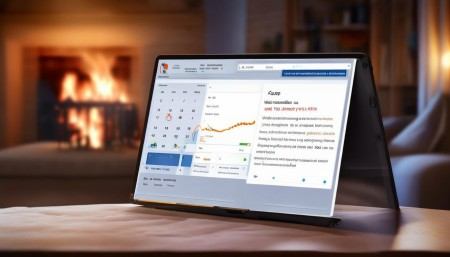
And the dashboards? Super user-friendly. You’ll see things like customer lifetime value, average order value, and repeat purchase rates—all laid out in charts and graphs that are easy to understand. You don’t need to be a data scientist to figure it out.
Another thing I love about using a CRM is how it helps with customer service. Imagine this: a customer reaches out saying they never got their order. Instead of digging through spreadsheets or old emails, you open your CRM, type their name, and instantly see their entire history—what they bought, when they bought it, shipping details, past support tickets. You can resolve their issue faster, and they walk away impressed by how smooth everything was.
It’s not just about fixing problems, though. A CRM helps you build relationships. For instance, if someone leaves a glowing review, your CRM can flag that, and you can personally thank them with a handwritten note or a surprise freebie in their next order. People remember that kind of attention.
And here’s a pro tip: use your CRM to track customer feedback. Whether it’s survey responses, product reviews, or replies to your emails, all that input is gold. You can spot trends—like if five different people mention that your packaging could be sturdier, maybe it’s time to upgrade your boxes. Listening builds trust, and trust builds loyalty.
Now, let’s talk about timing. One of the smartest things a CRM does is help you reach people at the right moment. Think about it—sending a promotion for winter coats in July? Probably not going to work. But if your CRM shows that a customer bought a coat last December, sending them a reminder in November that “cold weather is coming” feels helpful, not pushy.
You can even set up re-engagement campaigns. Say someone hasn’t shopped with you in six months. Instead of giving up on them, your CRM can trigger a “We miss you” campaign with a special offer. Sometimes, all it takes is one well-timed message to bring them back.

And don’t forget mobile. A lot of CRMs now come with apps, so you can check customer insights or respond to messages from your phone. If you’re at a coffee shop and get a notification that a loyal customer just made a big purchase, you can shoot them a quick “Thanks!” right then and there. That personal touch? Priceless.
Integration is another big win. Your CRM doesn’t have to live in a silo. It can connect with your email marketing tool, your social media ads, even your accounting software. That means when you run a Facebook ad campaign, your CRM can track which customers came from that ad and how much they spent. Now you know what’s working and what’s not.
Plus, if you sell across multiple channels—like your own website, Amazon, and Etsy—a CRM can pull all that data together. No more logging into three different places to see who bought what. Everything’s in one place. It saves time and reduces mistakes.
Okay, but what about privacy? That’s a fair concern. When you’re collecting customer data, you’ve got to be responsible. Make sure your CRM is compliant with laws like GDPR or CCPA. Be transparent with your customers about what data you collect and why. Most people don’t mind sharing info if they know it’s being used to improve their experience—not to spam them.
And here’s something people overlook: a CRM can help you plan inventory. If you see through your CRM that peppermint candles always sell out in December, you can stock up early. Or if a certain product has a high return rate, you can investigate why—maybe the description is misleading, or the size runs small. Data helps you fix issues before they become bigger problems.
Team collaboration gets easier too. If you have employees handling customer service or marketing, everyone can access the CRM. No more “I don’t know what Sarah told them” situations. All notes, interactions, and orders are logged in one system. It keeps everyone on the same page.
Oh, and upselling! A CRM can suggest products based on past purchases. If someone bought a yoga mat, maybe they’d like a matching bag or resistance bands. You can automate those recommendations in follow-up emails or on your website. It’s not aggressive—it’s helpful.
Let’s be real—running an e-commerce business is tough. There’s marketing, fulfillment, customer service, inventory… it’s a lot. But a CRM takes some of that weight off your shoulders. It doesn’t replace human connection, but it enhances it. You get more time to focus on creating great products and building real relationships because the CRM handles the repetitive stuff.
And the results? They speak for themselves. Stores that use a CRM often see higher retention rates, bigger average orders, and more referrals. Why? Because customers feel valued. They’re not just a number in a database—they’re people with names, preferences, and stories.
So, if you’re still on the fence about using an e-commerce CRM, ask yourself this: Are you leaving money on the table by not staying in touch with past customers? Are you missing opportunities to surprise and delight people who already love your brand? If the answer is yes, then it’s probably time to give a CRM a try.
Start small. Pick a simple one. Test it out for a month. See how it changes the way you interact with customers. You might be surprised at how much smoother everything feels.
At the end of the day, e-commerce isn’t just about transactions. It’s about relationships. And a CRM? It’s like a relationship coach for your business. It helps you remember the little things, stay consistent, and turn one-time buyers into lifelong fans.
Trust me—you don’t need to be a tech genius to use one. You just need to care about your customers. And if you do, a CRM will help you show it in ways that really matter.
Q: What exactly does an e-commerce CRM do?
A: It tracks customer interactions, stores purchase history, automates marketing, and helps you personalize communication to boost loyalty and sales.
Q: Do I need a CRM if I’m just starting out?
A: Not right away, but as soon as you start getting repeat customers or want to scale, a CRM makes managing relationships way easier.
Q: Can a CRM help me reduce cart abandonment?
A: Absolutely. It can automatically send reminder emails to people who left items in their cart, often bringing them back to complete the purchase.
Q: Is it expensive to use an e-commerce CRM?
A: Prices vary, but many affordable options exist—even free plans for small stores. The return on investment usually outweighs the cost.
Q: Will a CRM invade my customers’ privacy?
A: Only if you misuse data. Reputable CRMs follow privacy laws, and you should always be transparent with customers about how their info is used.
Q: Can I use a CRM with platforms like Shopify or WooCommerce?
A: Yes, most e-commerce CRMs integrate seamlessly with popular platforms, making setup quick and painless.
Q: How long does it take to see results from using a CRM?
A: Some benefits, like better customer insights, appear quickly. Others, like increased retention, may take a few months to fully show.

Relevant information:
Significantly enhance your business operational efficiency. Try the Wukong CRM system for free now.
AI CRM system.