
△Click on the top right corner to try Wukong CRM for free
You know, when we talk about retail CRM—Customer Relationship Management—it’s not just some fancy tech term thrown around in boardrooms. It’s actually something that affects how stores interact with us every single day. Think about the last time you walked into your favorite clothing store and the salesperson greeted you by name or recommended a jacket based on what you bought last month. That’s retail CRM at work, quietly making things feel more personal.
Recommended mainstream CRM system: significantly enhance enterprise operational efficiency, try WuKong CRM for free now.
Honestly, I used to think CRM was just about collecting customer emails and sending out occasional discounts. But it’s way more than that. Retail CRM is really about building relationships—real ones—not just transactions. It’s like getting to know someone over coffee, but instead of lattes, it’s through purchase history, browsing behavior, and feedback.
One thing I’ve noticed is that modern retail CRM systems are super data-driven. They gather information from multiple touchpoints: online shopping, mobile apps, in-store visits, even social media interactions. And it’s not just hoarding data for the sake of it. The goal is to understand what customers want before they even say it out loud.
For example, have you ever abandoned a cart online and then gotten an email a few hours later saying, “Hey, did you forget something?” That’s not magic—that’s CRM using behavioral triggers to re-engage you. And honestly? Sometimes it works. I’ve gone back and completed purchases just because the timing felt right.
Another big characteristic of retail CRM is personalization. And I don’t mean slapping my first name at the top of a generic email. I’m talking about real personalization—like suggesting products based on past buys, offering birthday discounts, or reminding me that it’s time to restock my favorite shampoo. When done well, it feels helpful, not creepy.
But here’s the thing—personalization only works if the data is accurate. If the system keeps recommending baby clothes when I haven’t had a kid in ten years, that’s a problem. So good CRM systems need clean, updated data. They also need smart algorithms that can interpret patterns without jumping to wrong conclusions.
Integration is another key feature. A solid retail CRM doesn’t live in isolation. It connects with point-of-sale systems, e-commerce platforms, inventory management, and marketing tools. That way, whether you’re shopping online or in person, the experience feels seamless. Imagine buying something online and being able to return it in-store with no hassle—that kind of smooth transition relies heavily on integrated CRM.
I remember once trying to return an item I bought online, and the store associate pulled up my order instantly, no questions asked. I was impressed. Later, I realized that wasn’t just good service—it was CRM integration doing its job behind the scenes.
Automation is another game-changer. Let’s face it, retailers can’t manually follow up with thousands of customers. So CRM automates a lot of routine tasks—sending welcome emails, triggering loyalty rewards, scheduling follow-ups after a support ticket. This frees up staff to focus on more meaningful interactions, like helping a confused shopper find the right size or handling a complex complaint.
And speaking of loyalty—retail CRM plays a huge role there too. Most of us love feeling appreciated. When a brand remembers our preferences, gives us early access to sales, or throws in a surprise gift with purchase, it builds emotional connection. That’s how one-time buyers turn into regulars.
Loyalty programs powered by CRM go beyond punch cards. They track points, offer tiered rewards, and analyze which incentives actually drive repeat business. Some even use gamification—like unlocking badges or earning double points on certain days—to make shopping feel more fun.
But let’s be real—not all CRM efforts are successful. I’ve gotten plenty of irrelevant promotions or been bombarded with messages after signing up for one newsletter. That’s usually a sign of poor segmentation or lack of strategy. Just because you can send a message to everyone doesn’t mean you should.
Segmentation is crucial. A good CRM lets retailers divide customers into groups based on behavior, demographics, or purchase frequency. That way, new customers get onboarding tips, frequent shoppers see exclusive offers, and inactive users receive win-back campaigns. It’s about treating different people differently—because not everyone wants the same thing.
Real-time engagement is becoming more important too. Customers expect quick responses—whether it’s a chatbot answering a question at midnight or a push notification about a flash sale happening right now. Retail CRM systems now include tools for instant communication across channels, so brands can stay relevant in the moment.
I’ve used retail apps that notify me when I’m near a store with a personalized deal. It feels a bit like Big Brother, sure, but if I’m already in the mall and craving new sneakers, that 15% off alert might just seal the deal.
Analytics and reporting are the backbone of any strong CRM. Without measuring performance, how do you know what’s working? Retailers use CRM dashboards to track metrics like customer lifetime value, retention rates, conversion trends, and campaign ROI. These insights help them tweak strategies and invest in what truly drives results.

It’s not just about looking backward, though. Predictive analytics is starting to play a bigger role. By analyzing past behavior, CRM systems can forecast future purchases, identify at-risk customers, or suggest optimal pricing. It’s like having a crystal ball—but one powered by math, not magic.
Mobile optimization is non-negotiable these days. Most people shop on their phones, so CRM tools need to be mobile-friendly—for both customers and staff. Sales associates using tablets on the floor can pull up customer profiles, check inventory, and process payments without leaving the shopper’s side. That kind of convenience makes a real difference.
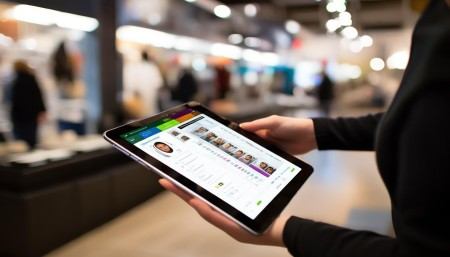
And let’s not forget about omnichannel support. Today’s customers switch between devices and channels constantly. They might browse on a laptop, ask questions via Instagram DM, and buy through an app. A good CRM ensures the conversation continues smoothly, no matter where it happens.
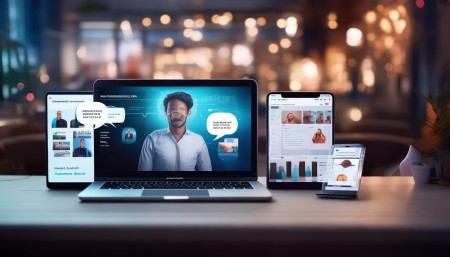
Privacy is a hot topic, though. With all this data collection, customers are rightly concerned about how their information is used. Transparent data policies, opt-in consent, and secure storage aren’t just legal requirements—they’re trust builders. If people don’t feel safe, they’ll take their business elsewhere.
I appreciate when brands clearly explain why they’re collecting data and how it benefits me. Like, “We’ll remember your size so shopping is faster”—that makes sense. But “We’ll share your info with partners” without context? That’s a red flag.
Training and adoption matter too. Even the best CRM system fails if employees don’t use it properly. Staff need to understand how to input data, interpret reports, and leverage insights in daily interactions. It’s not just a tool for marketers or managers—everyone from cashiers to customer service reps should be involved.
Culture plays a role as well. Companies that genuinely care about customer experience tend to get more out of their CRM. It’s not just about software; it’s about mindset. When everyone in the organization values relationships over short-term sales, CRM becomes a natural extension of that philosophy.
Scalability is another consideration. A small boutique might start with a simple CRM, but as it grows, the system needs to keep up. Whether it’s handling more users, integrating new sales channels, or supporting international expansion, the CRM should evolve without breaking.
Cloud-based solutions have made this easier. Instead of installing bulky software, many retailers now use cloud CRM platforms that update automatically and scale on demand. Plus, remote teams can access the system from anywhere, which is perfect for distributed operations.
Customer feedback loops are built into many CRM systems too. After a purchase or support interaction, you might get a survey asking how it went. That feedback gets logged and analyzed, helping retailers spot issues and improve service. It’s a two-way street—brands learn, and customers feel heard.
I’ve filled out enough post-purchase surveys to know they’re not always effective. But when companies actually act on the feedback—like fixing a confusing checkout process or training staff on empathy—that’s when it matters.
AI and machine learning are pushing retail CRM even further. Chatbots handle basic inquiries, recommendation engines suggest products, and sentiment analysis detects frustration in customer messages. These technologies don’t replace humans—they enhance them.
Still, human touch remains irreplaceable. No algorithm can fully replicate empathy or intuition. The best CRM systems empower employees to deliver personalized, compassionate service—not replace it.
Ultimately, the goal of retail CRM isn’t just to sell more. It’s to create better experiences. When done right, it makes shopping easier, more enjoyable, and more meaningful. It turns faceless transactions into lasting relationships.
And in a world where anyone can buy anything online with a few clicks, those relationships are what keep customers coming back.
Q&A Section
Q: What exactly does retail CRM stand for?
A: Retail CRM stands for Retail Customer Relationship Management. It’s a system and strategy used by retailers to manage interactions with customers, track their behavior, and build stronger, more personalized relationships.
Q: How is retail CRM different from regular CRM?
A: While all CRM focuses on managing customer relationships, retail CRM is specifically tailored to the needs of retail businesses. It emphasizes things like purchase history, in-store behavior, loyalty programs, and omnichannel shopping experiences.
Q: Can small retail stores benefit from CRM too?
A: Absolutely! Even small shops can use simple CRM tools to remember customer preferences, send personalized offers, and track repeat visits. You don’t need a huge budget to start building better relationships.
Q: Is retail CRM only for online stores?
A: Not at all. In fact, one of the biggest strengths of modern retail CRM is bridging the gap between online and offline. It helps connect in-store purchases with digital behavior for a complete view of the customer.
Q: Do customers actually notice when a retailer uses good CRM?
A: Yes, they do—especially when it leads to smoother experiences, relevant recommendations, or thoughtful gestures like birthday discounts. Good CRM often feels invisible but leaves a positive impression.
Q: What’s the biggest mistake retailers make with CRM?
A: Probably treating it as just a database or email tool. CRM is most effective when it’s part of a broader customer-centric strategy, not just a tech add-on.
Q: How can retailers protect customer data in CRM systems?
A: By using secure platforms, limiting access to sensitive data, encrypting information, and being transparent with customers about how their data is used and protected.
Q: Does CRM help with inventory management?
A: Indirectly, yes. While CRM itself doesn’t manage stock, the insights it provides—like which customers are likely to buy certain items—can inform inventory decisions and promotional planning.
Q: Can CRM improve customer service?
A: Definitely. With CRM, service reps can see a customer’s full history—past purchases, returns, complaints—which helps them resolve issues faster and more effectively.
Q: Are there affordable CRM options for independent retailers?
A: Yes, there are several user-friendly and cost-effective CRM platforms designed for small businesses, like HubSpot, Zoho CRM, or Square’s customer directory, which integrate well with retail operations.

Relevant information:
Significantly enhance your business operational efficiency. Try the Wukong CRM system for free now.
AI CRM system.