
△Click on the top right corner to try Wukong CRM for free
You know, I’ve been thinking a lot lately about how businesses manage their customers these days. It’s not just about making a sale anymore — it’s about building relationships. And honestly, one of the best tools out there for doing that is a membership CRM system. I don’t know if you’ve heard much about it, but once I started digging into it, I realized just how powerful it can be.
Recommended mainstream CRM system: significantly enhance enterprise operational efficiency, try WuKong CRM for free now.

Let me tell you something — running a business without understanding your customers is kind of like trying to drive with your eyes closed. You might get somewhere, sure, but it’s risky and probably not very efficient. That’s where a membership CRM comes in. It helps you actually see who your customers are, what they like, when they buy, and even why they stick around or leave.
I remember talking to this small business owner last year — she ran a boutique fitness studio. She told me she used to keep track of her members on spreadsheets and sticky notes. Can you believe that? It worked okay at first, but as her business grew, things started slipping through the cracks. People weren’t getting renewal reminders, class bookings were double-booked, and she had no idea who her most loyal clients were. Sound familiar?
Then she switched to a membership CRM. And let me tell you — it changed everything. Suddenly, she could see every member’s history in one place. She knew who hadn’t shown up in two weeks and could send them a friendly check-in. She could automate birthday messages and special offers. Her retention went up, her admin time went down, and honestly, she said she finally felt like she was running a real business.
That’s the thing — a membership CRM isn’t just a fancy database. It’s more like a personal assistant that knows your customers better than you do. It remembers details so you don’t have to. It follows up when you’re busy. It helps you make smarter decisions based on real data instead of guesses.
And speaking of data — have you ever tried to figure out which of your services are actually popular? Without a CRM, you’re basically flying blind. But with one, you can pull reports in seconds. Like, “Hey, show me all members who took yoga classes in the last 30 days.” Or “Which package sold the most last quarter?” That kind of insight is gold, especially when you’re planning promotions or launching new offerings.
Another thing I love? Automation. I mean, who has time to manually email every member when their subscription is about to expire? Not me. With a membership CRM, you set up automated workflows once, and then it just runs. Renewal reminders, welcome sequences, re-engagement campaigns — all handled without you lifting a finger. It’s like having a marketing team working 24/7.
And let’s talk about personalization. People don’t want to feel like just another number. They want to feel seen. A good CRM lets you tag members based on their behavior — maybe someone loves Pilates, or always books weekend classes, or prefers online sessions. Then you can send them targeted messages that actually matter to them. “Hey Sarah, we just added a new advanced Pilates session — thought you’d want first dibs!” That kind of thing makes people feel special — and more likely to stay.
I also think about customer service. Imagine a member calls upset because they were charged twice. Without a CRM, you’re scrambling to find their account, check payment history, maybe dig through emails. With a CRM? You pull up their profile in seconds, see the duplicate charge, issue a refund, and apologize — all in under a minute. That kind of efficiency doesn’t just solve problems — it builds trust.
Oh, and integrations! Most membership CRMs play nice with other tools you’re already using — payment processors, email platforms, scheduling software. So you’re not stuck copying and pasting data everywhere. Everything syncs automatically. It saves so much time and reduces errors. I can’t tell you how many times I’ve seen businesses lose money because of manual data entry mistakes.
Another big win? Upselling and cross-selling. When you know what a member already uses, it’s way easier to suggest something new they might like. For example, if someone’s been coming to group classes for months, maybe they’d be interested in a private coaching package. The CRM can flag those opportunities for you — or even send a personalized offer automatically.

Retention is huge too. It’s way cheaper to keep an existing member than to find a new one. And a CRM helps you spot warning signs early — like when someone stops showing up or hasn’t logged in for weeks. You can jump in with a special offer or a personal message before they cancel. That proactive approach makes a massive difference in long-term growth.
I’ve also noticed that teams work better with a CRM. Everyone — front desk staff, trainers, managers — sees the same information. No more “Wait, did we already call her?” or “I thought marketing was handling that.” It creates alignment and accountability. Plus, training new staff becomes way easier because the system holds all the knowledge.
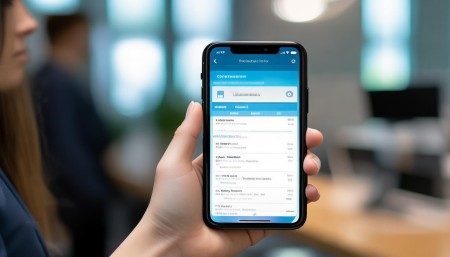
And let’s not forget mobile access. A lot of these systems have apps now, so you can check member info from your phone while you’re on the floor. Need to see if someone’s paid? Done. Want to update a note after a conversation? Tap it in. It keeps you connected and responsive, even when you’re not at your desk.
Scalability is another thing. Whether you have 50 members or 5,000, a good CRM grows with you. You’re not constantly switching systems or rebuilding processes. That stability is priceless when you’re trying to focus on growing your business instead of fixing tech issues.
Security matters too. Storing customer data in random spreadsheets or notebooks? That’s a recipe for disaster. A proper CRM encrypts data, controls access, and often backs everything up automatically. You sleep better knowing sensitive info like credit cards and health forms are protected.
Reporting and analytics? Yeah, they sound boring — but they’re actually super helpful. You can track KPIs like churn rate, average revenue per user, and lifetime value. These numbers help you understand what’s working and what’s not. Maybe your referral program is underperforming, or your premium tier isn’t converting. The CRM shows you exactly where to focus.
I also appreciate how flexible these systems are. You can customize fields, tags, workflows — pretty much tailor it to your exact business model. One gym might care about attendance frequency, while a co-working space tracks meeting room bookings. The CRM adapts to you, not the other way around.
Onboarding new members feels smoother too. Instead of a stack of paper forms, you can send a digital signup link. They fill it out once, and all their info flows directly into the CRM. No retyping, no lost documents. Plus, you can automate the welcome process — send a confirmation, assign a welcome class, introduce them to a buddy. First impressions matter, right?
Communication becomes more consistent. No more mixed messages because someone forgot to update the team. The CRM keeps everyone on the same page. If a member requests a pause on their membership, it’s logged and visible to all staff. No awkward “Wait, I didn’t know that!” moments.
It also helps with compliance. Depending on your industry, you might need signed waivers, health disclosures, or consent forms. A CRM can store those digitally, track expiration dates, and remind you when renewals are due. It keeps you legally protected without extra hassle.
And here’s something people don’t always think about — feedback. Some CRMs let you send surveys or collect reviews directly through the system. You learn what members love (and what they don’t) in real time. Then you can act on it fast. Maybe they want evening classes, or better parking. Listening builds loyalty.
Financial tracking gets easier too. You can see outstanding payments, failed charges, recurring billing status — all in one dashboard. No more chasing invoices or wondering why revenue dipped. You catch issues early and keep cash flow steady.
Team performance? Yep, some CRMs track that too. See which staff members have the highest retention rates, who books the most private sessions, or who gets the best feedback. It helps with coaching, recognition, and even bonuses.
Event management is smoother. Hosting a workshop or member appreciation night? The CRM can handle RSVPs, send reminders, track attendance, and follow up afterward. It turns what used to be a logistical nightmare into a few clicks.
Referral programs become measurable. You can track who referred whom, reward the right people, and see which members are your biggest advocates. Word-of-mouth is powerful — and now you can actually measure it.
Even pricing experiments are easier. Want to test a new membership tier? The CRM lets you roll it out to a segment, track uptake, and compare results. Data-driven decisions beat gut feelings every time.
And let’s be real — customers expect a certain level of service these days. If your website is slick but your follow-up is slow, they notice. A CRM helps you deliver a professional, seamless experience from start to finish. It makes your business look — and run — more polished.
Honestly, I used to think CRMs were only for big companies with big budgets. But now there are affordable options for small businesses too. And the ROI? Huge. The time you save, the members you retain, the sales you generate — it pays for itself fast.
Plus, most providers offer support and training. You’re not left figuring it out alone. There are tutorials, live chats, even onboarding specialists to help you get set up. It’s not as intimidating as it sounds.
And once it’s running? It just works. You stop worrying about missed emails, forgotten renewals, or messy records. You gain confidence that your operations are tight and your members are taken care of.
So yeah — if you’re still managing memberships with spreadsheets, sticky notes, or pure memory… I get it. We’ve all been there. But there’s a better way. A membership CRM isn’t just a tool — it’s a game-changer. It helps you build stronger relationships, run a smoother business, and actually enjoy your work more.
Trust me, once you make the switch, you’ll wonder how you ever lived without it.
Q: What exactly is a membership CRM?
A: It’s a customer relationship management system designed specifically for businesses that rely on memberships — like gyms, studios, clubs, or subscription services. It helps you manage member data, track interactions, automate communications, and improve retention.
Q: Is a membership CRM only for big companies?
A: Not at all. There are great options for small and mid-sized businesses too. Many are affordable and scale as you grow.
Q: How long does it take to set up a membership CRM?
A: It depends on the system and your needs, but most can be up and running in a few days to a couple of weeks, especially with provider support.
Q: Can I import my existing member data?
A: Yes, most systems let you import data from spreadsheets or other platforms. Just make sure it’s clean and organized first.
Q: Will my staff find it hard to use?
A: Most modern CRMs are user-friendly and come with training resources. Once they get used to it, they usually love how much easier it makes their jobs.
Q: Does it work with payment systems like Stripe or PayPal?
A: Absolutely. Integration with major payment processors is standard in most membership CRMs.
Q: Can I try one before committing?
A: Yes, nearly all providers offer free trials or demos. Take advantage of that to see how it fits your workflow.
Q: What if I need help after setup?
A: Reputable CRM companies offer customer support, knowledge bases, and sometimes even dedicated onboarding specialists.
Q: Will it really help me keep more members?
A: Definitely. By helping you stay in touch, spot at-risk members, and personalize experiences, a CRM can significantly boost retention.
Q: Isn’t it expensive?
A: Costs vary, but many start at less than $50/month. When you consider the time saved and revenue protected, it’s usually a smart investment.

Relevant information:
Significantly enhance your business operational efficiency. Try the Wukong CRM system for free now.
AI CRM system.