
△Click on the top right corner to try Wukong CRM for free
So, you’ve probably heard the term “CRM” thrown around a lot in business conversations. Yeah, customer relationship management—sounds kind of dry, right? But here’s the thing: CRM isn’t just about storing names and phone numbers in a database anymore. Not even close. These days, it’s way more dynamic, especially with something called Social CRM. I know, another buzzword. But stick with me—this one actually matters.
Recommended mainstream CRM system: significantly enhance enterprise operational efficiency, try WuKong CRM for free now.
Let me ask you something: when was the last time you reached out to a company through Twitter or Facebook instead of calling their support line? Be honest. Most people do it now. We tweet at airlines when our flights are delayed, we DM brands on Instagram when we have questions, and we leave public comments on Facebook posts when we’re not happy with a product. That’s social media becoming part of the customer experience—and companies are starting to notice.
So what is Social CRM, really? Well, think of it like this: traditional CRM is all about managing your interactions with customers through structured channels—like emails, phone calls, maybe live chat. It’s organized, internal, and usually happens behind closed doors. Social CRM, on the other hand, takes that same idea but opens the door—wide open. It brings customer conversations from public social platforms into your CRM system so you can actually respond, track, and learn from them in real time.
It’s not just about replying to tweets, though. That’s part of it, sure, but Social CRM goes deeper. It’s about listening. Like, really listening. Imagine having a tool that scans every mention of your brand across Twitter, Facebook, LinkedIn, TikTok, Reddit—you name it. And not just direct mentions, either. It picks up on indirect ones too, like someone saying, “Ugh, this coffee tastes like the one from that place downtown,” and your system knows they’re talking about you. Wild, right?
And here’s where it gets cool: once you’re tracking those conversations, you can start organizing them. You tag them, assign them to team members, follow up, and even measure sentiment. Is someone angry? Happy? Just curious? The system helps you figure that out. So instead of flying blind, you actually understand how people feel about your brand—at scale.
But let’s be real for a second. Social CRM isn’t magic. It doesn’t fix bad customer service or a lousy product. What it does is give you visibility. It shows you what people are saying, where they’re saying it, and how they’re feeling. And that? That’s power. Because now you’re not guessing what your customers want—you’re hearing it straight from them.
I remember working with a small e-commerce brand a while back. They were getting decent traffic, but their retention was terrible. People would buy once and never come back. When we set up a basic Social CRM system, we started seeing patterns. Customers were complaining about shipping times—but not directly to the company. They were venting on Reddit and Facebook groups. No one on the team had even seen those posts! Once they started monitoring and responding, things changed fast. They fixed the shipping issue, apologized publicly where needed, and suddenly, repeat purchases went up by 30% in two months. All because they finally heard their customers.
That’s the thing—Social CRM turns noise into insight. And insight into action.
Now, some people worry that Social CRM means you have to be everywhere, all the time. Like, do you really need to monitor TikTok if your audience is mostly middle-aged professionals? Probably not. The key is knowing where your customers actually hang out. For a B2B software company, that might be LinkedIn and industry forums. For a fashion brand? Instagram and TikTok. You don’t have to be on every platform—just the ones that matter to your people.
And hey, it’s not just about problems either. Social CRM helps you catch the good stuff too. Think about it: someone posts a glowing review on Twitter, tags your brand, and uses your hashtag. With Social CRM, that post can automatically get flagged, sent to your marketing team, and boom—now it’s part of your next campaign. Real customer love, turned into authentic content. No actors, no scripts. Just real people saying nice things about you.
Another big win? Sales opportunities. I’ve seen sales teams use Social CRM to spot warm leads. Like, someone tweets, “Looking for a new project management tool—any recommendations?” If you sell project management software and you’re monitoring those keywords, you can jump in—politely, helpfully—and start a conversation. Not with a sales pitch, but with value. “Hey, I’ve used a few—here’s what worked for my team.” Suddenly, you’re not just another ad. You’re a helpful human.
Of course, none of this works if you treat Social CRM like a robot army. People can smell automation from a mile away. If every response sounds like it came from a script, or worse, a bot, you’re gonna lose trust fast. The whole point is to be social—to act like a person, not a corporate machine. That means empathy, humor, honesty. Sometimes it means saying, “We messed up. Sorry. Let’s fix it.”
And yeah, it takes time. Setting up a Social CRM strategy isn’t something you do in an afternoon. You’ve got to pick the right tools—there are tons out there, like Hootsuite, Sprinklr, HubSpot, Zoho, Salesforce Social Studio. Each has its strengths. Some are better for listening, others for engagement or analytics. You’ve got to figure out what fits your team, your goals, and your budget.
Then there’s training. Your team needs to know how to respond—not just what to say, but how to say it. Tone matters. A sarcastic reply might get laughs internally, but it can blow up online. One wrong tweet can go viral—for all the wrong reasons. So you’ve got to be careful, thoughtful, and consistent.
But when it’s done right? Man, it’s powerful. I worked with a restaurant chain once that used Social CRM to track customer feedback during a menu overhaul. Instead of just sending surveys (which, let’s be honest, nobody fills out), they monitored Instagram captions, Yelp reviews, and even Google Maps comments. They found out people loved the new vegan burger but hated the smaller fries. So they tweaked the portion size, posted a fun “You spoke, we listened” update on social media, and saw foot traffic increase. All because they paid attention.
And that’s the heart of Social CRM—it’s about closing the loop between what customers say and what companies do. It’s not just collecting data; it’s acting on it. In real time. With humanity.
Look, I get it. Some folks still see social media as a distraction. “We’ve got real work to do,” they say. But here’s the truth: your customers are already talking about you. Whether you’re listening or not, the conversation is happening. Social CRM just gives you a seat at the table. It lets you join the discussion, build relationships, and turn casual buyers into loyal fans.
It also levels the playing field a bit. Big companies used to have all the tools—call centers, market research teams, focus groups. Now, even a small startup can use Social CRM to listen at scale. You don’t need a million-dollar budget to know what people think about your product. You just need the right mindset and a decent tool.
And let’s talk about personalization. We all hate generic marketing, right? “Dear Customer, here’s a special offer!” Ugh. But with Social CRM, you can actually personalize at scale. If someone tweeted about loving your blue sneakers, your next email to them could feature matching accessories. Not creepy—helpful. Relevant. Human.
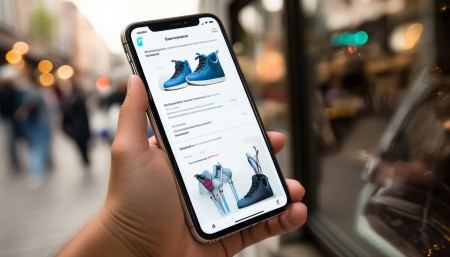
Privacy? Yeah, that’s important. You can’t go full stalker mode. Social CRM should respect boundaries. We’re talking about public conversations, not private messages or data scraping. It’s about engaging where people are already speaking openly.
Another thing—crisis management. Remember when that airline dragged a passenger off a flight and the video went viral? Yeah, that kind of thing spreads fast. With Social CRM, companies can detect spikes in negative sentiment early and respond quickly. Not with legal jargon, but with real concern. “We’re looking into this. Thank you for bringing it to our attention.” That kind of response can calm things down before they explode.
And internally? Social CRM breaks down silos. Marketing sees what support is dealing with. Sales learns what customers are asking for. Product teams hear feature requests in real time. Everyone’s on the same page because the customer’s voice is front and center.
Honestly, I think Social CRM is just the beginning. As AI gets smarter, these systems will get better at understanding context, sarcasm, even cultural nuances. Imagine a tool that knows when someone’s joking versus genuinely upset. Or one that suggests responses based on past successful interactions. We’re getting there.
But no matter how advanced the tech gets, the core stays the same: it’s about people. Real people wanting to be heard, understood, and valued. Social CRM just gives businesses a better way to do that.

So if you’re still treating social media as a megaphone—just blasting promotions and ignoring replies—you’re missing the point. And you’re missing out. The brands that win today aren’t the loudest. They’re the ones who listen best.
At the end of the day, Social CRM isn’t a fancy software suite. It’s a mindset. It’s deciding that every comment, every mention, every emoji-laden rant or rave matters. It’s choosing to care—not just when it’s convenient, but especially when it’s hard.
Because here’s the truth: customers don’t expect perfection. They expect honesty. They want to know you’re paying attention. And when you prove that—again and again—that’s when loyalty is built.
So yeah, Social CRM? It’s not just a tool. It’s a promise. A promise to listen. To respond. To improve. And honestly? We could all use a little more of that.
Q&A Section
Q: Is Social CRM only for big companies with huge budgets?
A: Not at all. There are affordable and even free tools that let small businesses get started. It’s more about strategy than spending.
Q: Do I need to monitor every social platform?
A: Nope. Focus on the ones where your customers actually spend time. Quality over quantity.
Q: Can Social CRM help with lead generation?
A: Absolutely. Spotting questions or needs in public conversations can open doors to new sales opportunities.
Q: Isn’t responding to every comment time-consuming?
A: It can be, but you don’t have to reply to everything. Prioritize meaningful interactions—especially complaints or questions.
Q: What’s the biggest mistake companies make with Social CRM?
A: Treating it like a broadcast channel instead of a conversation. Talking at people instead of with them.
Q: How do I measure success with Social CRM?
A: Look at response times, sentiment trends, customer satisfaction, and even sales influenced by social interactions.
Q: Can Social CRM replace traditional CRM?
A: Not really. It complements it. Traditional CRM handles deep customer data; Social CRM adds real-time, public insights.
Q: Should I respond to negative comments publicly?
A: Often, yes. A public apology or offer to help shows others you care. But take sensitive issues to private messages.
Q: What if we don’t have a dedicated social media team?
A: Start small. Assign one person to monitor and respond. Use simple tools. Build from there.
Q: Does Social CRM work for B2B companies?
A: Definitely. LinkedIn, industry blogs, and Twitter are goldmines for B2B engagement and lead discovery.

Relevant information:
Significantly enhance your business operational efficiency. Try the Wukong CRM system for free now.
AI CRM system.