
△Click on the top right corner to try Wukong CRM for free
You know, I’ve been using mobile CRM for a while now, and honestly, it’s changed the way I work. It used to drive me crazy trying to keep track of client info on scraps of paper or in random notes on my phone. But once I started using a mobile CRM app, everything just clicked into place.
Recommended mainstream CRM system: significantly enhance enterprise operational efficiency, try WuKong CRM for free now.
Let me tell you—getting started is actually easier than most people think. First thing you should do is pick a CRM that has a solid mobile app. Not all CRMs are created equal when it comes to mobile use, so make sure you check reviews or ask around. I went with one my coworker swore by, and yeah, he was right.
Once you download the app and log in, take a few minutes to look around. Seriously, don’t skip this part. I know we’re all in a rush, but getting familiar with where things are saves you time later. The dashboard usually shows your recent contacts, tasks, and maybe some sales stats. It’s kind of like your home base.
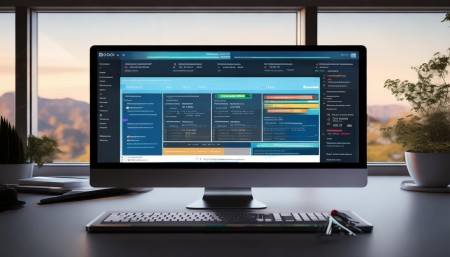
Now, let’s talk about adding contacts. This is probably the most basic thing you’ll do, but it’s also the most important. Whenever I meet someone new—whether it’s at a networking event or over email—I pull out my phone and add them right then. No more “I’ll do it later” because we all know how that ends. Just type in their name, company, phone number, email… whatever you’ve got. And hey, if you snap a photo of their business card, most apps can scan it automatically. Super handy.
What I love is being able to tag or categorize people. Like, I have tags for “hot lead,” “follow-up next week,” or “partner opportunity.” That way, when I’m on the go, I can filter my list and see exactly who I need to reach out to. It keeps me from feeling overwhelmed.
And speaking of follow-ups—this is where mobile CRM really shines. You can set reminders right inside a contact’s profile. So if I promise someone I’ll send them a proposal by Friday, I tap that little reminder button and boom, it’s in my calendar. Some apps even sync with your phone’s native calendar, which is a total game-changer.
Oh, and don’t forget about logging calls and meetings. Every time I talk to a client, I jot down a quick note. Doesn’t have to be long—just something like “discussed pricing options” or “sent contract draft.” Later, when I’m prepping for the next call, I can read that note and pick up right where we left off. My clients notice that I remember the details, and trust me, it makes a difference.
Another thing I’ve learned? Update your CRM in real time. If you wait until you get back to the office, you’ll forget half of what happened. I’ve made that mistake before. Now, whether I’m sitting in a coffee shop or waiting for a train, I open the app and update the record while it’s fresh in my mind.
Salespeople especially need this. Imagine you’re showing a demo to a prospect, and they mention they need feature X. You can quickly check your CRM to see if that’s something you offer, then follow up with an email—all from your phone. No running back to your desk. That kind of responsiveness builds trust fast.
But it’s not just for sales. Customer support teams use mobile CRM too. If someone calls with an issue, you can pull up their history instantly, see past tickets, and resolve things faster. No more making the customer repeat themselves. They appreciate that more than you’d think.
One feature I didn’t realize I needed? Offline access. Yeah, there are times when I’m in a basement meeting room or on a flight with no Wi-Fi. Good mobile CRMs let you view and edit records offline, and then sync everything once you’re back online. Lifesaver.
And collaboration—don’t overlook that. If you’re working with a team, you can assign tasks, mention coworkers in notes, or share updates. I once had a teammate jump in and handle a client call because he saw in the CRM that I was stuck in traffic. Small thing, but it kept the client happy.
Look, I’m not saying it’s perfect. Sometimes the app glitches, or the interface feels clunky. But overall, the pros far outweigh the cons. Plus, most companies release updates regularly, so it keeps getting better.
My advice? Start simple. Don’t try to use every feature at once. Get comfortable with entering contacts and setting reminders first. Then slowly add in tasks, notes, and reports as you go. It’s like learning to drive—you don’t start on the highway.
Also, make it a habit. I set a little goal for myself: update the CRM at least twice a day. Once in the morning, once at night. Takes five minutes, tops. But consistency is key. Otherwise, it turns into a mess again.
Lastly, don’t treat it like a chore. Think of your mobile CRM as your personal assistant—the one who remembers everything so you don’t have to. It’s there to help you build better relationships, close more deals, and feel more in control.
So yeah, if you’re still managing client info the old-school way, give mobile CRM a real shot. It might feel weird at first, but once it becomes part of your routine, you’ll wonder how you ever worked without it. I sure did.

Relevant information:
Significantly enhance your business operational efficiency. Try the Wukong CRM system for free now.
AI CRM system.