
△Click on the top right corner to try Wukong CRM for free
You know, when I first started looking into mobile CRM versions, I honestly didn’t think there’d be that much to them. I mean, I figured it was just a smaller version of the desktop software—something you could check real quick on your phone while waiting for coffee. But man, was I wrong. These days, mobile CRM isn’t just a sidekick—it’s practically running the show for sales teams and customer service reps who are always on the move.
Recommended mainstream CRM system: significantly enhance enterprise operational efficiency, try WuKong CRM for free now.
Let me tell you, one of the coolest things about modern mobile CRM apps is how intuitive they are. You don’t need a degree in computer science to figure them out. The interface? Super clean. Everything’s laid out so you can find what you need in seconds. Whether you’re updating a client note or checking your sales pipeline, it feels natural, like texting a friend.
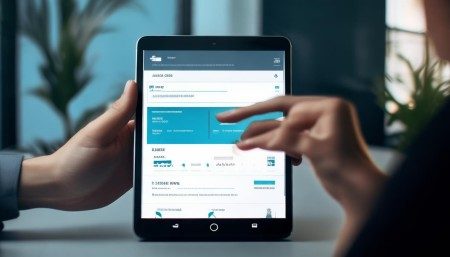
And speaking of speed—these apps are fast. Like, seriously fast. I remember using an old CRM years ago that would take forever to load a single contact. Now? Tap once, and boom—the info’s right there. No spinning wheels, no “please wait” messages. It just works. That kind of responsiveness makes a huge difference when you’re in the middle of a meeting or rushing between appointments.
Another thing I’ve come to really appreciate is offline access. Think about it—how many times have you been stuck in a basement conference room or driving through a dead zone with zero signal? With some mobile CRMs, you’d be completely cut off. But now, most decent ones let you view and even edit records without internet. Once you’re back online, everything syncs up automatically. It’s like magic, but real.
Push notifications are another game-changer. I used to forget follow-ups all the time. Now, my CRM pings me when a lead hasn’t been contacted in a while, or when a deal is close to closing. It’s not annoying either—the alerts are smart, not spammy. They actually help me stay on top of things instead of adding to the noise.
Integration is huge too. I don’t want to jump between five different apps just to get one task done. Good mobile CRMs play nice with email, calendars, cloud storage—you name it. So if I schedule a call in Outlook, it shows up in my CRM tasks. If I attach a contract from Google Drive, it’s saved right in the client’s profile. It saves so much time and keeps everything in one place.
Oh, and customization! This one surprised me. I thought mobile apps would be limited compared to their desktop cousins, but a lot of them let you tweak fields, layouts, and workflows. So if your team tracks something specific—like product interest or preferred contact method—you can build that right into the mobile view. It’s not one-size-fits-all anymore.
Real-time data syncing is something I can’t live without now. Imagine updating a client’s info on your phone during a meeting, and your colleague sees that change instantly on their laptop. No more double entries or outdated notes. Everyone’s literally on the same page, which cuts down confusion big time.
Location-based features? Yeah, those are pretty slick too. Some CRMs use GPS to track visits or suggest nearby clients when you’re out in the field. I had a rep tell me once how he used it to squeeze in an extra meeting just because the app showed him a warm lead two blocks away. Little things like that add up.
And let’s talk about security—because, honestly, that used to worry me. Putting sensitive customer data on a phone sounds risky, right? But most mobile CRMs these days have solid encryption, biometric login (fingerprint or face ID), and remote wipe options. So if your phone gets lost, you don’t have to panic about data falling into the wrong hands.
Analytics on the go? Yep, that’s a thing now. I can pull up performance reports, see how my team’s doing on quotas, or check conversion rates—all from my phone. It’s not as detailed as the desktop dashboard, but it gives me enough insight to make quick decisions without waiting until I’m back at my desk.
File sharing is smoother than ever too. Snap a photo of a signed contract, upload it straight into the CRM, and tag it to the right account. No scanning, no emailing yourself. It’s instant, and everyone who needs access can see it immediately.
One thing I love is voice-to-text functionality. When I’m driving (hands-free, of course), I can dictate notes after a call, and the CRM transcribes them. Saves time and keeps my focus on the road. Plus, it’s surprisingly accurate.
Task management is built in now, not tacked on. I can assign follow-ups, set reminders, and even link tasks to specific deals or contacts. It turns my CRM into a personal assistant that actually knows what I’m working on.
And hey—updates happen silently in the background. I don’t have to worry about downloading patches or restarting the app every other week. It just stays current, so I always have the latest features without lifting a finger.
Look, not every mobile CRM is perfect. Some still feel clunky, or missing key functions. But the good ones? They’re powerful, flexible, and designed with real people in mind. They understand that we’re busy, we’re mobile, and we need tools that work with us—not slow us down.
At the end of the day, a great mobile CRM doesn’t just give you access to data—it helps you act on it, wherever you are. And honestly, once you’ve used one that gets it right, you’ll wonder how you ever managed without it.

Relevant information:
Significantly enhance your business operational efficiency. Try the Wukong CRM system for free now.
AI CRM system.