
△Click on the top right corner to try Wukong CRM for free
You know, when we talk about new retail these days, it’s not just about selling stuff online or in stores anymore. It’s more like creating this whole experience for customers—something that feels personal, smooth, and kind of magical, honestly. And if you really want to pull that off, you’ve got to get your CRM game strong. I mean, a good CRM isn’t just a database full of names and emails; it’s the brain behind how you connect with people.
Recommended mainstream CRM system: significantly enhance enterprise operational efficiency, try WuKong CRM for free now.
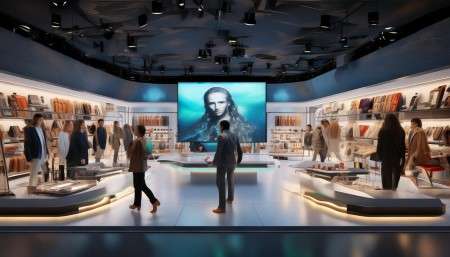
Let me tell you, the old-school way of treating CRM as just a tool for tracking sales is pretty much dead. These days, customers expect you to know them. Like, they don’t want to repeat their preferences every time they interact with your brand. They want you to remember what they bought last month, what they looked at on your app, maybe even what time of day they usually shop. That’s where new retail CRM techniques come into play.
One thing I’ve noticed that works really well is using real-time data. Think about it—when someone walks into your store and your staff gets an alert on their tablet showing that customer’s purchase history and favorite products, that’s powerful. It makes the shopping experience feel less transactional and more like a conversation. You’re not just selling; you’re helping.
And hey, let’s not forget mobile integration. Almost everyone has their phone glued to their hand now. So if your CRM syncs seamlessly with your mobile app, you can send personalized offers the moment someone enters a certain area in the store. Like, “Hey, Sarah! We just restocked your favorite lavender candle—want 15% off today?” That kind of message? It feels thoughtful, not pushy.
Another technique that’s been blowing up lately is AI-powered recommendations. I’m not talking about those generic “people who bought this also bought…” suggestions. I mean smart systems that learn from behavior over time. For example, if a customer always buys organic skincare but recently browsed men’s grooming products, the system might suggest a natural beard oil—personalized, relevant, and timely.
Oh, and here’s something people overlook: unified customer profiles. In new retail, customers jump between channels all the time. They might browse on Instagram, check reviews on your website, then buy in-store. If your CRM doesn’t stitch all that together into one clear picture, you’re basically flying blind. But when everything’s connected? You finally see the full story of each customer.
I’ll admit, setting this up isn’t easy. There’s a lot of tech involved, and yeah, it can be expensive. But think about the payoff—better customer retention, higher average order values, and people actually liking to engage with your brand. That’s worth investing in.
Another thing I’ve seen work is blending online and offline behaviors. Like, if someone abandons their cart online, instead of just sending an email, your CRM could trigger a notification to a store associate. Then when that person walks into the physical store later, the staff can say, “Hey, I saw you were looking at those sneakers online—want to try them on?” Now that’s service.
And let’s talk about loyalty programs for a second. The old punch-card style? Cute, but not cutting it anymore. Modern CRM systems let you create dynamic rewards based on actual behavior. Maybe someone doesn’t spend a lot but engages with your content all the time—give them early access to a sale as a thank-you. It shows you value more than just money.
Feedback loops are another big deal. A good CRM doesn’t just collect data—it learns from it. After a purchase, you can automatically send a quick survey or invite a review. But don’t make it annoying. Keep it short, friendly, and maybe throw in a little incentive. Then use that feedback to tweak your approach. It’s like having a constant conversation with your customers.
You’d be surprised how much emotion plays into this too. People don’t just buy products—they buy feelings. A CRM that tracks sentiment through social media mentions or support chat logs can help you spot frustration early or celebrate happy moments. Imagine reaching out after someone posts a glowing review: “We saw your post—thank you! Here’s a little gift.” That kind of gesture builds real loyalty.
And speaking of support, integrating CRM with customer service tools is a no-brainer. When a customer calls with an issue, the agent should already know their history. No “Can I have your order number?” nonsense. Just, “Hi John, I see you had a problem with delivery last week—let’s fix that for you today.” That’s respect. That’s care.
One last thing—privacy. I know we’re collecting all this data, but we’ve got to be responsible. Be transparent. Let people know what you’re tracking and why. Give them control. Honestly, most customers don’t mind sharing if they see real value in return. But sneakiness? That kills trust fast.
At the end of the day, new retail CRM isn’t about fancy software. It’s about building relationships. It’s making people feel seen, heard, and appreciated—whether they’re clicking a button or walking through your door. And when you do it right? They don’t just come back. They bring their friends.

Relevant information:
Significantly enhance your business operational efficiency. Try the Wukong CRM system for free now.
AI CRM system.