
△Click on the top right corner to try Wukong CRM for free
You know, mobile CRM has really taken off in the last few years. I mean, think about it—everyone’s glued to their phones these days, right? So it only makes sense that businesses would want to meet customers where they are: on their smartphones. Honestly, if you’re not using a mobile CRM these days, you’re kind of falling behind.
Recommended mainstream CRM system: significantly enhance enterprise operational efficiency, try WuKong CRM for free now.
I’ve noticed that more and more sales teams are ditching those bulky laptops and going fully mobile. It’s just easier to pull up customer info while you’re on the go—whether you're in a cab, at a client’s office, or even grabbing coffee. There’s something really satisfying about being able to update a deal status with just a few taps.
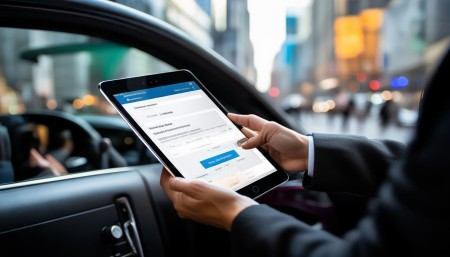
And speaking of updates, real-time data syncing is a total game-changer. Remember when you had to wait until you got back to the office to log your notes? Yeah, those days are pretty much gone. Now, as soon as you finish a call or meeting, you can jot down everything instantly. No more forgetting key details because you waited too long.
Another thing I’ve seen popping up everywhere is AI integration. It’s wild how smart these systems are getting. Like, my CRM actually suggests the best time to follow up with a lead based on their past behavior. It even drafts emails for me sometimes—pretty creepy, but also kind of awesome.
Oh, and let’s talk about personalization. Customers expect way more now than just a “Hi [First Name]” in an email. They want experiences that feel tailored to them. Mobile CRM tools are helping companies deliver that by tracking user behavior across apps and websites. It’s like having a digital assistant who knows your customers better than you do.
Push notifications are another big trend. I know some people find them annoying, but when used right, they’re super helpful. Imagine getting a ping that says, “Your top lead just visited your pricing page”—that’s gold for a sales rep. You can jump in at the perfect moment instead of waiting around.
I’ve also been impressed by how much better offline access has gotten. Even if you’re stuck on a train with no signal, you can still view accounts, add notes, and update tasks. Once you’re back online, everything syncs automatically. It’s one of those small things that makes a huge difference in daily workflow.
And don’t get me started on mobile-first design. Older CRMs felt like they were just shrunk-down desktop versions. But now? The interfaces are clean, intuitive, and built specifically for touchscreens. Swiping, tapping, scrolling—it all just feels natural now.
Integration with other tools is another must-have. Your CRM doesn’t exist in a vacuum, right? It needs to play nice with your email, calendar, social media, and even project management apps. The best mobile CRMs make that seamless. I can schedule a meeting in Google Calendar and have it auto-sync to my CRM task list—no extra steps.
Field service teams are especially benefiting from this. Technicians out in the field can pull up work orders, check inventory, and even collect signatures—all from their phones. It cuts down on paperwork and speeds up invoicing. Plus, managers can track progress in real time, which helps with planning and accountability.
Security used to be a concern with mobile access, but honestly, most platforms have tightened up a lot. Biometric login, two-factor authentication, encrypted data—these are standard now. I feel way more confident accessing sensitive info on my phone than I did even two years ago.
Gamification is another interesting twist. Some companies are adding leaderboards, badges, and rewards into their mobile CRM to boost engagement. Sounds silly, maybe, but it actually works. My colleague once told me he closed three extra deals just to beat someone on the weekly leaderboard. People love a little friendly competition.
Voice commands are creeping in too. Instead of typing, you can just say, “Log a call with Sarah about the Q3 proposal,” and the system does it for you. It’s especially handy when you’re driving or multitasking. Voice-to-text accuracy has gotten so good that I barely need to edit anything anymore.
Analytics on mobile used to be pretty basic, but not anymore. Now you can pull up full dashboards showing sales performance, customer satisfaction scores, pipeline health—you name it. Being able to check KPIs anytime, anywhere helps managers make faster decisions.
One thing I really appreciate is the focus on user experience. Developers aren’t just building features for the sake of it—they’re thinking about how real people use the app every day. Less clutter, smarter workflows, fewer clicks. It shows.
And let’s not forget about customer self-service. A lot of mobile CRMs now include portals where clients can check order status, submit support tickets, or update their info themselves. That reduces the load on support teams and gives customers more control.
Looking ahead, I think we’ll see even deeper AI use—like predictive analytics that tell you which leads are most likely to convert. Maybe even augmented reality for remote support or virtual product demos through the CRM app. Sounds futuristic, but tech moves fast.
Honestly, mobile CRM isn’t just a tool anymore. It’s becoming the central hub for customer relationships. Whether you’re in sales, marketing, or support, having that power in your pocket changes everything. It keeps you connected, informed, and ready to act—anytime, anywhere.
So yeah, if you haven’t explored what modern mobile CRM can do, now’s the time. It’s not just about convenience; it’s about staying competitive in a world where speed and personalization matter more than ever. And hey, your phone’s already in your hand—might as well put it to good use.

Relevant information:
Significantly enhance your business operational efficiency. Try the Wukong CRM system for free now.
AI CRM system.