
△Click on the top right corner to try Wukong CRM for free
You know, running a foreign trade business isn’t just about shipping goods overseas. It’s really about managing relationships—sometimes across time zones, languages, and cultures. And honestly, that can get pretty overwhelming if you’re not organized. That’s where a Foreign Trade CRM comes in. I’ve seen so many companies struggle with scattered emails, missed follow-ups, and lost opportunities simply because they didn’t have the right system.
Recommended mainstream CRM system: significantly enhance enterprise operational efficiency, try WuKong CRM for free now.
Let me tell you something—I used to keep client info in spreadsheets. Sounds simple, right? But after a while, it became a mess. Names, phone numbers, order history—all over the place. Then one day, a colleague suggested trying a CRM built specifically for foreign trade. At first, I was skeptical. I thought, “Another software to learn?” But once I gave it a shot, I realized how much easier things got.
One of the best things about a good Foreign Trade CRM is how it centralizes all your client data. Instead of digging through old emails or chat logs, everything’s right there—contact details, past communications, shipment records, even notes from calls. It’s like having a personal assistant who remembers every little detail about each customer.
And speaking of communication, staying in touch with international clients can be tricky. Time differences mean you might send an email at 9 a.m., but it arrives when your client is already asleep. A CRM helps by scheduling messages at the right local time. I actually set reminders now so I never miss a follow-up. It’s small, but it makes a huge difference in building trust.
Another thing I love? The way it tracks every interaction. Say a client asks about pricing for a new product. I log that conversation, attach the quote, and tag it. Later, when they come back with questions, I don’t have to ask, “Wait, which product were we talking about?” Nope—I pull up their profile and see the whole history. Clients notice that kind of attention to detail. They feel valued.
You’d be surprised how often deals fall apart just because someone forgot to send a document on time. With automation features in a Foreign Trade CRM, a lot of that stress goes away. For example, once an order is confirmed, the system can automatically generate invoices, packing lists, and even notify the logistics team. It’s not magic, but it sure feels like it when everything runs smoothly.
I remember this one time—we had a big order from a distributor in Germany. Lots of moving parts: customs forms, shipping dates, payment terms. Without the CRM, I would’ve been buried in paperwork. But because everything was tracked and updated in real time, my team and I stayed on the same page. We even caught a typo in the invoice before it went out. Saved us a headache later.
What’s also cool is how CRMs help with lead management. When you’re dealing with global markets, leads come from everywhere—trade shows, online inquiries, referrals. Before, I’d jot them down on paper or save them in random folders. Now, every new lead goes straight into the CRM. It assigns priority levels, sets follow-up tasks, and even scores leads based on engagement. It’s helped me focus on the ones most likely to convert.
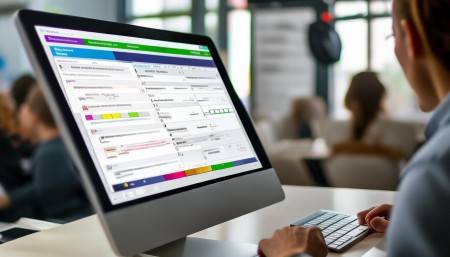
And let’s talk about teamwork. In foreign trade, you’re not working alone. You’ve got sales, logistics, finance—all involved at different stages. A shared CRM means everyone sees the same information. No more “Did you get the client’s specs?” or “Who’s handling the shipping docs?” Everyone knows their role, and nothing slips through the cracks.
I’ll admit, getting the team to use the CRM took some time. Some people resisted at first, saying it was too complicated. So we started with basic features—just logging calls and updating statuses. Once they saw how much time it saved, they were all in. Now, it’s part of our daily routine.
Reporting is another game-changer. Instead of guessing which markets are performing well or which products are selling, I can pull up dashboards in seconds. I see trends, spot bottlenecks, and make smarter decisions. Last quarter, the reports showed that Southeast Asia was growing faster than expected. So we adjusted our strategy and allocated more resources there. That kind of insight? Priceless.
Security matters too, especially with sensitive client data crossing borders. A solid Foreign Trade CRM encrypts information and controls access. Only authorized team members can view certain details. It gives both me and my clients peace of mind.
Honestly, adopting a CRM didn’t just improve efficiency—it changed how we do business. We’re more proactive, more personal, and way more reliable. Clients appreciate that. They know we’re not just chasing orders; we’re building long-term partnerships.
Look, no tool is perfect. There’s always a learning curve, and sometimes updates cause hiccups. But overall, the benefits far outweigh the challenges. If you’re in foreign trade and still managing clients the old way, I’d say give a CRM a real chance. Start small, stay consistent, and watch how it transforms your workflow.
At the end of the day, success in global trade isn’t just about products or prices. It’s about relationships. And a good CRM? It helps you nurture those relationships—one client, one conversation, one deal at a time.

Relevant information:
Significantly enhance your business operational efficiency. Try the Wukong CRM system for free now.
AI CRM system.