
△Click on the top right corner to try Wukong CRM for free
You know, when people talk about e-commerce these days, they always seem to focus on the products, the prices, or how fast the delivery is. But honestly? There’s something way more important going on behind the scenes—something that a lot of folks don’t really notice until it’s missing. I’m talking about e-commerce CRM.
Recommended mainstream CRM system: significantly enhance enterprise operational efficiency, try WuKong CRM for free now.
Yeah, CRM. Sounds kind of corporate, right? Like one of those buzzwords you hear in meetings and just nod along to. But stick with me here—because once you get what it actually means for online stores, it totally changes the game.
So, what is e-commerce CRM? Well, think of it like this: imagine you walk into your favorite coffee shop every morning. The barista knows your name, remembers you like oat milk in your latte, and even starts making your drink before you say a word. That’s great service, right? Now, try doing that with thousands—or even millions—of customers, all shopping online from different places, at different times. That’s where e-commerce CRM comes in.
It’s basically a system that helps online businesses keep track of their customers—like who bought what, when they bought it, how often they come back, and even what they looked at but didn’t buy. It’s not just a fancy database, though. It’s smarter than that. A good CRM learns from customer behavior and helps the business respond in a more personal way.
Let me give you an example. Say someone visits your online store, adds a pair of shoes to their cart, but then leaves without buying. Without a CRM, that might just look like a lost sale. But with one? The system can automatically send them a friendly email later—maybe with a little discount or just a “Hey, we noticed you left something behind.” And guess what? A lot of the time, that little nudge is all it takes to bring them back.
And it’s not just about winning back carts. A solid e-commerce CRM helps you build real relationships. Like, if a customer buys a skincare product, the CRM can remember that. Then, a few weeks later, it might suggest a matching moisturizer or remind them it’s time to reorder. It feels helpful, not pushy—kind of like a friend who knows what you like.
Another thing people don’t always realize? CRM isn’t just for big companies with huge budgets. Even small online shops can use simple CRM tools to stay connected with their customers. In fact, for smaller brands, it might be even more important because they’re competing with giants like Amazon. The one thing they can offer that Amazon can’t? A personal touch. And CRM makes that possible at scale.
I’ve seen stores completely turn things around just by using CRM better. One brand I followed was struggling—great products, but low repeat sales. Once they started using CRM data to segment their customers (you know, grouping people based on what they bought or how often they shopped), everything changed. They sent targeted emails, offered personalized recommendations, and even celebrated customer birthdays with little gifts. Sales went up, sure—but more importantly, people started feeling valued. And that’s what keeps them coming back.
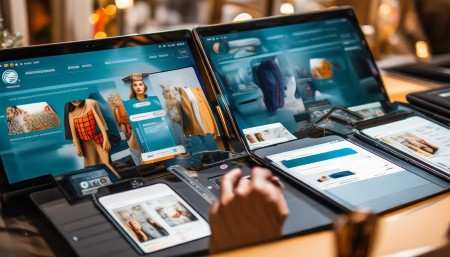
Oh, and let’s not forget mobile. These days, most people are shopping on their phones. A good CRM syncs across devices, so whether someone browses on their laptop or checks out on their phone, the experience stays smooth. No repeating info, no starting over—it just works. That kind of seamless experience? Customers notice. They might not say it out loud, but they appreciate not having to jump through hoops.
Now, I’ll admit—not every CRM is perfect. Some are clunky, hard to set up, or just collect data without doing much with it. But the best ones? They’re intuitive. They grow with your business. And they actually help you understand your customers instead of just tracking numbers.
One thing I love is how CRM can help with customer support too. Imagine a shopper reaches out with a question. With a CRM, the support person can instantly see their purchase history, past messages, even notes from previous conversations. No more “Can you repeat that?” or “Let me pull up your account.” It saves time, reduces frustration, and makes the customer feel heard.
And hey—let’s talk loyalty. Everyone wants loyal customers, right? But loyalty doesn’t happen by accident. It’s built over time, through consistent, thoughtful interactions. A CRM helps you do that by reminding you when someone hasn’t shopped in a while, or when they’ve hit a milestone—like their 10th purchase. A quick “Thanks for sticking with us!” message can go a long way.
At the end of the day, e-commerce CRM isn’t about technology for technology’s sake. It’s about people. It’s about remembering names, preferences, and moments that matter. It’s about treating customers like individuals, not just transactions.
So yeah, next time you’re impressed by how smoothly an online store seems to “get” you—how they recommend the perfect product or follow up at just the right time—chances are, there’s a smart CRM working behind the scenes. And honestly? That’s the future of shopping. Not just faster delivery or cheaper prices—but real connection, powered by smart tools that help businesses care in a way that actually scales.
Pretty cool, right?

Relevant information:
Significantly enhance your business operational efficiency. Try the Wukong CRM system for free now.
AI CRM system.