
△Click on the top right corner to try Wukong CRM for free
Alright, so you know how sometimes keeping track of your customers feels like trying to juggle flaming torches while riding a unicycle? Yeah, me too. That’s why I started looking into mobile CRM—Customer Relationship Management—on my phone. And honestly? It changed everything.
Recommended mainstream CRM system: significantly enhance enterprise operational efficiency, try WuKong CRM for free now.
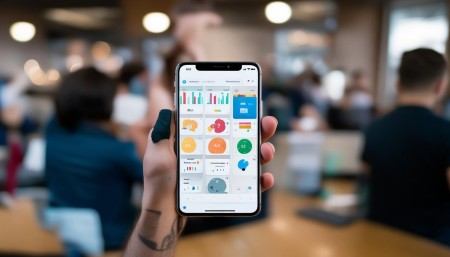
At first, I wasn’t sure what all the fuss was about. I mean, isn’t CRM just some fancy software for big companies with fancy offices and even fancier coffee machines? Turns out, no. Not at all. Mobile CRM is actually super accessible, and once I got the hang of it, it felt like having a personal assistant in my pocket.
So here’s how I learned to use mobile CRM—and how you can too, without pulling your hair out.
First things first: pick the right app. There are tons out there—Salesforce, HubSpot, Zoho, Pipedrive—you name it. I went with HubSpot because it had a free version and didn’t make me feel like I needed a degree in computer science to set it up. But seriously, take your time here. Try a couple. See which one feels natural when you open it. You’re going to be using this thing a lot, so it better not give you a headache every time you tap the icon.
Once you’ve picked one, go ahead and download it. Most of them have both iOS and Android versions, so that part’s easy. Then sign in—or create an account if you haven’t already. Don’t skip the onboarding tutorial. I know, I know, tutorials are boring. But this one actually walks you through the basics, like where to find your contacts or how to log a call. Trust me, five minutes now saves you thirty minutes of frustration later.
Now, let’s talk about syncing your data. If you already have customer info in another system—like an old spreadsheet or email—you’ll want to get that into your CRM. Most apps let you import contacts from Excel or Google Sheets. Just export your list, format it properly (usually columns like Name, Email, Phone, Company), and upload it. Boom. All your people are inside the app now. Feels good, right?
But here’s the real magic: updating stuff on the go. Imagine you’re at a networking event. You meet someone cool, exchange business cards, and instead of shoving that card into your bag where it’ll live forever in purgatory, you pull out your phone, open your CRM, and add them right then and there. Add notes like “loves hiking” or “looking for marketing help.” That way, when you follow up next week, you sound like you actually remember them. Which, thanks to the app, you do.
And speaking of follow-ups—set reminders! I used to forget half the people I met. Now, I just tap the contact, hit “schedule task,” and pick a date. The app pings me: “Hey, remember Sarah from the coffee shop? Time to send that intro email.” No more awkward “sorry I ghosted you” messages. Well, fewer of them, anyway.
Another thing I love? Logging calls and meetings. After I finish a client call, I open the CRM and jot down what we talked about. Did they agree to a proposal? Are they waiting on pricing? Whatever it is, I note it. That way, if my boss asks, “What’s the status with Client X?” I don’t have to dig through ten emails. I just open the app and read my last update. Saves so much time.
Oh, and emails! Some CRMs let you connect your inbox. So when you reply to a customer email, it automatically logs the message in their profile. No manual entry. It’s like the app is quietly doing your paperwork for you. Kind of amazing, really.
What about leads? Yeah, mobile CRM helps there too. Say someone fills out a form on your website. Their info pops into your CRM instantly. You can assign them to a sales rep, tag them as “hot lead,” or start an automated follow-up sequence. And you can do all of this from your phone while you’re waiting in line for lunch. Multitasking at its finest.
I also use checklists for my sales process. My team has a standard flow: initial call → demo → proposal → close. So I made a template in the CRM. Every time I start working with a new lead, I apply the checklist. As I complete each step, I check it off. It keeps me organized and makes sure I don’t skip anything important. Plus, it feels satisfying to tick things off. Small wins, you know?
Collaboration is easier too. Let’s say I’m out of the office but need my teammate to call a client. I open the contact, assign the task to them, and add a note: “Please call by Thursday—urgent request.” They get a notification, handle it, and mark it done. We’re on the same page without needing a meeting or ten texts.
Reporting? Okay, I’ll admit—I used to hate reports. Spreadsheets, charts, numbers everywhere. But mobile CRM simplifies it. I can pull up a dashboard that shows how many deals I’ve closed this month, my response time to leads, even how many calls I’ve made. All in colorful graphs that don’t make my eyes glaze over. And I can check it anytime—on the train, during a break, while pretending to listen in a meeting.
Security matters, too. I was nervous at first about storing customer data on my phone. But most good CRM apps have strong security—two-factor authentication, data encryption, the works. I set up a passcode on the app itself, just in case I lose my phone. Peace of mind? Totally worth the extra step.
Customization is another big plus. Not every business works the same way. Mine doesn’t need the same fields or workflows as, say, a real estate agent. So I tweaked the CRM to fit us. Added custom fields like “preferred contact method” or “project stage.” Renamed pipelines to match our sales cycle. It stopped feeling like a generic tool and started feeling like our tool.
Offline mode? Yes, please. There are times I’m on a plane or in a basement meeting room with zero signal. But I can still open the app, view contacts, take notes, and schedule tasks. Once I’m back online, everything syncs automatically. No lost data. Lifesaver.
Integrations make life smoother too. My CRM connects with my calendar, so meetings show up in both places. It links with my email, my cloud storage, even my invoicing software. Everything talks to each other. It’s like building a little digital ecosystem where nothing falls through the cracks.

Training your team? Do it early. When I rolled out the CRM to my coworkers, I showed them the basics in a quick 20-minute session. Focused on the stuff they’d use daily—adding contacts, logging calls, checking tasks. Answered their questions. Made it low-pressure. Now everyone uses it, and our communication is way better.
Consistency is key, though. If only half the team enters data, the whole system becomes useless. So we made it a rule: if it happened, it gets logged. No exceptions. At first, people grumbled. Now? They actually complain if something isn’t in the CRM. Progress!
Backups? Automatic. I don’t even think about it. The data lives in the cloud, so even if my phone dies, everything’s safe. And most apps keep version history, so if someone accidentally deletes something, we can restore it. Huge relief.
Notifications—use them wisely. I get alerts for upcoming tasks, new leads, and overdue follow-ups. But I turned off the ones that ping me for every tiny update. Don’t need a buzz every time a contact views a document. Set your preferences so you stay informed without getting annoyed.
Search is fast. Need to find that guy who wanted a quote for web design last month? Type his name or company. Done. Even searches within notes—like “mentioned budget concerns”—so I can quickly pull up relevant details before a call.
Updates happen regularly. The apps push new features, bug fixes, UI improvements. I usually install them right away. Keeps things running smoothly and sometimes adds cool new tools I didn’t know I needed.
It’s not perfect, of course. Sometimes the app lags. Or a sync takes longer than expected. But compared to the chaos of sticky notes and scattered emails? These hiccups are minor.
The biggest win? Better relationships. Because I remember birthdays, past conversations, and specific needs, my clients feel seen. They notice when I reference something they mentioned months ago. It builds trust. And trust? That’s what turns one-time buyers into loyal fans.
Also, less stress. I’m not scrambling before meetings, trying to remember who said what. It’s all there, neatly organized. I walk in prepared. Confidence goes up. Results follow.
And hey—if you’re worried about the learning curve, don’t be. I wasn’t tech-savvy when I started. But the app guides you. You learn as you go. Start small: just add contacts and log calls. Then slowly add more features as you get comfortable.
Think of it like upgrading from paper maps to GPS. Sure, you can drive with a folded map on your lap, but why would you? Mobile CRM gives you real-time directions, traffic updates, and rerouting when you mess up. It just makes the journey easier.
So yeah, if you’re still managing customers with spreadsheets, random notes, and memory alone—give mobile CRM a shot. Pick an app, play around, see how it fits. It might just be the smartest productivity move you make all year.
FAQs (Frequently Asked Questions)
Q: Can I really manage my entire sales process from my phone?
A: Absolutely. Modern mobile CRMs are powerful enough to handle everything from lead capture to closing deals—all from your smartphone.
Q: Is my customer data safe on a mobile device?
A: Yes, especially with reputable CRM apps. They use encryption, secure logins, and cloud storage to protect your information.
Q: What if I don’t have internet access?
A: Many mobile CRMs work offline. You can view records, add notes, and schedule tasks. Everything syncs once you’re back online.
Q: Will my team actually use it?
A: If you choose a user-friendly app and provide simple training, yes. Make it a habit—like brushing your teeth. Soon, they’ll wonder how they ever worked without it.
Q: How long does it take to set up?
A: You can get started in under an hour. Importing data might take a bit longer, depending on how much you have, but it’s usually straightforward.
Q: Can I customize the CRM for my industry?
A: Definitely. Most platforms let you add custom fields, tags, pipelines, and workflows tailored to your business needs.
Q: Does it cost a lot?
A: Not necessarily. Many CRMs offer free plans with solid features. Paid versions unlock more tools, but you can start small and scale up.
Q: Can I connect it to my email and calendar?
A: Yes, and you should. Integrations with Gmail, Outlook, Google Calendar, and others make the CRM even more powerful.
Q: What happens if I lose my phone?
A: As long as your CRM data is in the cloud and your phone is secured with a password, your info stays safe. You can log in from another device and continue working.
Q: Is mobile CRM only for sales teams?
A: Nope. Customer service, marketing, freelancers, consultants—anyone who manages relationships can benefit from a mobile CRM.

Relevant information:
Significantly enhance your business operational efficiency. Try the Wukong CRM system for free now.
AI CRM system.