
△Click on the top right corner to try Wukong CRM for free
You know, I’ve been thinking a lot lately about how shopping has changed over the years. Remember when you’d walk into a store, talk to a salesperson, maybe get a loyalty card if you were a regular? That was pretty much the extent of customer relationship management back then—simple, straightforward, but honestly, kind of limited. But now? Wow. Everything’s different. Retail isn’t just about selling stuff anymore; it’s about building relationships, understanding people, and making every interaction feel personal—even if it’s happening online.
Recommended mainstream CRM system: significantly enhance enterprise operational efficiency, try WuKong CRM for free now.
So what exactly is new retail CRM? Well, let me break it down for you. It’s not just an upgrade from the old systems we used to have. It’s a whole new way of thinking. New retail CRM blends physical stores with digital experiences, pulls in data from everywhere—your phone, your browser, even in-store sensors—and uses all that info to create a seamless experience no matter where or how you shop.
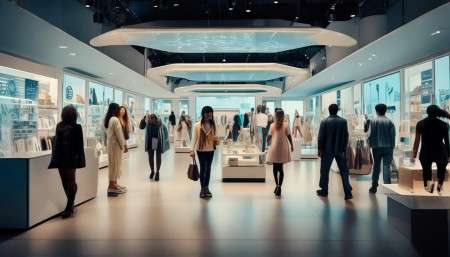
And here’s the thing: it’s not just about collecting data. Anyone can collect data. The real magic happens when you actually use that data to make someone’s life easier. Like when you’re browsing online, add something to your cart, and then later, when you walk into a physical store, the associate already knows what you were looking at and can help you right away. That kind of connection? That’s powerful.
One of the biggest features of new retail CRM is personalization—real personalization, not just “Hi [Name]” in an email. We’re talking about recommendations based on your past purchases, your browsing habits, even the weather in your area. Imagine getting a notification that says, “Hey, it’s going to rain tomorrow—don’t forget your umbrella! And by the way, those boots you liked last week are 20% off today.” That’s not random. That’s smart. That’s thoughtful.
And it doesn’t stop there. New retail CRM systems are built around omnichannel integration. What does that mean? It means whether you’re shopping on a mobile app, a website, over the phone, or in a brick-and-mortar store, the experience feels consistent. Your cart stays the same. Your preferences are remembered. You don’t have to start over every time you switch devices. It’s like the brand gets you, no matter where you show up.
I remember once trying to buy a jacket online. I added it to my cart, got distracted, and forgot about it. A few days later, I walked into the actual store, and guess what? The salesperson said, “Oh, you had this jacket in your online cart—want to try it on?” I was shocked. Not only did they know, but they pulled it out for me immediately. That’s the kind of service that makes you want to come back.
Another cool feature is real-time inventory tracking. This one’s a game-changer. No more showing up to a store only to find out the size you need is out of stock. With new retail CRM, associates can see exactly what’s available across all locations. If the item isn’t in your local store, they can order it for you, ship it to your home, or let you know when it’ll be restocked. It saves time, reduces frustration, and builds trust.
And let’s talk about AI and machine learning. These aren’t just buzzwords—they’re actually doing real work behind the scenes. They analyze customer behavior, predict trends, and even suggest the best time to send a promotional email. For example, if the system notices you usually shop on Sunday evenings, it might hold off on sending that discount offer until Saturday night, so it’s fresh in your mind when you’re ready to browse.
But here’s something people don’t always think about: employee empowerment. A great CRM doesn’t just help customers—it helps the people working in the stores too. Associates get access to customer profiles, purchase history, and even notes from past interactions. So instead of asking, “Have we met before?” they can say, “Welcome back! How did you like the skincare set you bought last month?” That kind of attention makes a huge difference.
And it’s not just about being polite. It’s about efficiency. When employees have the right tools, they can resolve issues faster, recommend better products, and build stronger relationships. Happy employees lead to happy customers, and that’s good for everyone.
Now, let’s talk about data privacy—because yeah, I know what you’re thinking. “Wait, isn’t all this tracking kind of creepy?” And honestly? That’s a fair question. But here’s the thing: new retail CRM works best when it’s transparent and consensual. Customers should know what data is being collected and why. And they should have control—like being able to opt out or delete their info whenever they want.
The brands that do this well? They’re upfront. They say, “We use your data to give you a better experience. Here’s how. And if you don’t like it, here’s how to change your settings.” That builds trust. And trust is everything in retail.
Another feature that’s becoming more common is predictive analytics. This is where the system doesn’t just react to what you’ve done—it tries to guess what you’ll do next. For instance, if you buy baby formula every four weeks, the CRM might remind you when it’s time to reorder, or even automatically ship it to you. It’s like having a personal shopper who knows your routine better than you do.
And let’s not forget about loyalty programs. They’ve evolved big time. It’s not just about earning points anymore. Now, rewards are personalized. Maybe you get early access to sales, exclusive content, or surprise gifts based on your preferences. Some brands even let you redeem points for experiences—like a cooking class or a concert ticket. It makes the relationship feel less transactional and more human.
Social media integration is another key piece. People spend so much time on platforms like Instagram and TikTok, and smart retailers are meeting them there. With new CRM systems, brands can track engagement, respond to comments, and even turn direct messages into sales—all within the same platform. If you DM a brand asking about a product, they can pull up your profile, check your size, and send you a link to buy it instantly. No hassle. No waiting.
And here’s something really cool: location-based services. If you’re walking near a store, the brand’s app might send you a push notification with a special offer. “Hey, you’re two blocks away—stop in and get 15% off your favorite coffee blend!” It’s timely, relevant, and feels like a friendly nudge rather than a hard sell.
Feedback loops are also built into modern CRM systems. After a purchase, you might get a quick survey or a message asking how your experience was. But it’s not just about collecting feedback—it’s about acting on it. If multiple customers say the checkout process is confusing, the brand can tweak the website or train staff accordingly. It shows they’re listening, and that matters.
Integration with other business tools is another big plus. New retail CRM doesn’t live in a silo. It connects with marketing automation, e-commerce platforms, ERP systems, and even HR software. That means when marketing runs a campaign, sales can see the results in real time. When inventory drops, the system can trigger a restock alert. Everything talks to each other, which makes the whole operation smoother.

And let’s talk about scalability. Whether you’re a small boutique or a global chain, a good CRM should grow with you. You shouldn’t have to rip everything out and start over when you expand. The best systems are flexible, cloud-based, and easy to customize. You can add new features, onboard new team members, and enter new markets without missing a beat.
Customer segmentation is another powerful tool. Instead of treating everyone the same, brands can group customers based on behavior, demographics, or purchase history. Then they can tailor messages and offers to each segment. For example, frequent buyers might get VIP treatment, while lapsed customers receive a “we miss you” discount. It’s smarter marketing, and it works.
And here’s a feature I really appreciate: proactive support. Instead of waiting for you to call because something went wrong, the system reaches out first. “We noticed your order hasn’t shipped yet—there was a delay, but it’s on its way now. We’re sorry for the inconvenience.” That kind of heads-up goes a long way in maintaining trust.
Mobile optimization is non-negotiable these days. Most people shop on their phones, so the CRM needs to work flawlessly on mobile devices. That means fast loading times, easy navigation, and secure checkout. Bonus points if the app lets you scan a product in-store to see reviews or check availability.
Gamification is another fun trend. Some brands add little challenges or badges to keep customers engaged. “Buy three items this month and unlock free shipping!” Or “Refer a friend and both of you get $10 off.” It turns shopping into a game, and hey, if it makes people smile, why not?
Finally, reporting and dashboards give businesses real insights. Managers can see what’s working and what’s not—sales trends, customer satisfaction scores, campaign performance. They can spot problems early and celebrate wins. Data-driven decisions lead to better outcomes.
Look, I get it—technology can feel overwhelming sometimes. But at the end of the day, new retail CRM isn’t about replacing human connection. It’s about enhancing it. It gives brands the tools to be more thoughtful, more responsive, and more helpful. And when done right, it doesn’t feel robotic at all. It feels warm. It feels personal. It feels like someone actually cares.
So yeah, the future of retail is here. And honestly? I’m excited to see where it goes next.
Q: What makes new retail CRM different from traditional CRM?
A: Great question. Traditional CRM mostly focused on managing customer contacts and sales pipelines. New retail CRM goes way beyond that—it integrates online and offline data, uses AI for personalization, and creates a unified experience across all touchpoints.
Q: Is new retail CRM only for big companies?
A: Not at all. While large retailers were early adopters, many cloud-based CRM solutions are now affordable and scalable for small and mid-sized businesses too.
Q: How does new retail CRM handle customer privacy?
A: Reputable systems prioritize transparency and consent. They let users control their data, explain how it’s used, and comply with regulations like GDPR and CCPA.
Q: Can CRM really improve in-store experiences?
A: Absolutely. With access to customer history and preferences, store associates can offer personalized service, check inventory in real time, and even continue conversations started online.
Q: Do customers actually notice the difference?
A: Yes, especially when it comes to convenience and relevance. Things like remembering preferences, offering timely discounts, or resolving issues quickly make a noticeable impact.
Q: What’s the biggest benefit for retailers using new CRM?
A: Probably customer retention. When people feel understood and valued, they’re more likely to come back—and spend more over time.
Q: How important is mobile access in new retail CRM?
A: Extremely. With most shopping happening on smartphones, having a mobile-friendly CRM ensures associates and customers can interact seamlessly anytime, anywhere.
Q: Can CRM help with inventory management?
A: Definitely. Real-time inventory tracking across channels helps prevent stockouts, reduce overstock, and fulfill orders more efficiently—whether online or in-store.

Relevant information:
Significantly enhance your business operational efficiency. Try the Wukong CRM system for free now.
AI CRM system.