
△Click on the top right corner to try Wukong CRM for free
So, you’ve probably heard the term “mobile CRM” thrown around a lot lately—maybe in meetings, on tech blogs, or even during casual chats with coworkers. Honestly, I used to hear it and just nod along, pretending I totally got what it meant. But truthfully? I had no idea. So I decided to dig in and figure it out for real. And now that I actually understand it, I want to share it with you in a way that makes sense—like we’re just talking over coffee.
Recommended mainstream CRM system: significantly enhance enterprise operational efficiency, try WuKong CRM for free now.

Alright, let’s start simple. CRM stands for Customer Relationship Management. That part’s not too hard, right? It’s basically how businesses keep track of their customers—their contact info, past purchases, support tickets, preferences, all that stuff. Think of it like a super-organized digital Rolodex, but way smarter. It helps companies stay connected, offer better service, and ultimately sell more by understanding their customers better.
Now, here’s where mobile CRM comes in. Imagine you’re a sales rep, and you’re out meeting clients all day. You’re not sitting at your desk—you’re driving from one office to another, maybe grabbing lunch between appointments. Your laptop is back at the office, but you still need to update a client’s record after a meeting, check their order history, or send a follow-up email. What do you do?
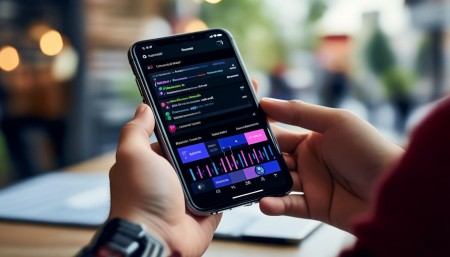
Well, that’s exactly when mobile CRM becomes a lifesaver. Mobile CRM means you can access your entire CRM system—from your smartphone or tablet. Yep, all that customer data, dashboards, tasks, calendars—it’s right there in your pocket. No more waiting until you get back to the office to log notes or update a deal stage. You can do it on the spot, while everything’s fresh in your mind.
And honestly, that changes everything. I remember talking to a sales manager last year who told me his team’s productivity shot up by almost 30% after they started using mobile CRM. At first, I was skeptical. Like, really? Just because they could use an app? But then he explained: before mobile CRM, reps would scribble notes on paper, forget half of them, or wait two days to enter data. By then, details were fuzzy, opportunities slipped through the cracks, and follow-ups felt delayed and impersonal.
But once they had CRM on their phones? Game-changer. They could update records immediately, assign tasks, set reminders, and even attach photos or voice memos. One guy even recorded a quick audio note summarizing a client’s concerns while walking back to his car. Later, he listened to it and turned it into a detailed action plan—all without missing a beat.
It’s not just about salespeople, though. Customer service teams benefit big time too. Picture this: a support agent gets a call from a frustrated customer. Instead of putting them on hold while digging through desktop software, she pulls up the customer’s full history on her phone in seconds. She sees past issues, recent purchases, even notes from other agents. She resolves the problem faster, personalizes her response, and the customer walks away feeling heard. That kind of experience? That builds loyalty.
And let’s not forget field service technicians. These are the folks fixing equipment on-site—HVAC systems, industrial machines, medical devices. Before mobile CRM, they’d show up with printed work orders, maybe a binder of manuals. If they needed parts or help from a colleague, they’d have to call the office, wait, hope someone could look things up. Now? They open the CRM app, see the full service history, check inventory levels in real time, message the warehouse directly, and even upload photos of the issue. Repairs get done faster, customers are happier, and the techs feel more supported.
I know what you might be thinking—“Okay, cool, but isn’t this just a fancy app?” And sure, on the surface, it looks like any other mobile app. But it’s way more than that. Mobile CRM is really about empowering people to work smarter, wherever they are. It breaks down the old idea that you have to be chained to a desk to do real work. It gives employees freedom, flexibility, and real-time access to the tools they need.
Another thing I’ve noticed—teams that use mobile CRM tend to communicate better. Why? Because updates happen instantly. When someone logs a new interaction, it shows up for everyone else immediately. No more “Did you talk to that client?” or “Wait, what did they say?” Everyone stays in sync. Managers can track progress in real time, step in when help is needed, and celebrate wins as they happen.
And here’s something people don’t always think about: mobile CRM can actually improve job satisfaction. I talked to a few users who said they felt less stressed once they started using it. One woman told me, “Before, I was always worried I’d forget something important. Now, I just open the app, jot it down, and move on. It’s like having a second brain.” Another guy said it made him feel more professional—like he was showing up prepared, every single time.
Of course, it’s not magic. You still need good data, proper training, and a CRM system that’s actually designed for mobile use. I’ve seen cases where companies slapped a desktop CRM onto a phone screen and called it “mobile.” Spoiler alert: that doesn’t work. Tiny buttons, cluttered menus, slow loading—it’s frustrating and nobody uses it. A real mobile CRM should be intuitive, fast, and built with touchscreens in mind. Big buttons, swipe gestures, offline access—those little things make a huge difference.
Security is another big piece. I mean, you’re putting sensitive customer data on devices that can be lost or stolen. So any decent mobile CRM has strong security—things like biometric login (fingerprint or face ID), data encryption, remote wipe if a phone goes missing, and role-based permissions so people only see what they should. Companies take this seriously, and they should.
One thing that surprised me? How much mobile CRM helps with onboarding new employees. Think about it—new hires usually spend days or weeks learning systems, processes, customer histories. With mobile CRM, they can shadow a veteran rep, pull up accounts side-by-side, see how notes are written, how deals are tracked. It’s hands-on, real-world training. One sales director told me his ramp-up time dropped from six weeks to three after switching to a mobile-first CRM.
And it’s not just for big corporations. Small businesses love mobile CRM too. A local marketing agency I know uses it to manage client projects, track billable hours, and share updates with their team while working remotely. A boutique fitness studio uses it to follow up with leads, schedule trial classes, and send personalized messages. It levels the playing field—small teams can act like big, organized ones.
Let’s talk about integration for a sec. A good mobile CRM doesn’t live in a bubble. It connects with email, calendars, social media, marketing tools, even accounting software. So when a lead fills out a form on your website, it pops up in your CRM instantly. When you schedule a meeting, it syncs across devices. When a deal closes, the invoice gets generated automatically. Everything flows together. That’s the dream, right?
Oh, and offline mode! That’s a game-changer. Ever been in a basement, a remote site, or a spotty Wi-Fi zone and needed to access customer info? Mobile CRM apps often let you download key data ahead of time. You can view records, add notes, even create new entries—all without internet. Once you’re back online, it syncs everything automatically. No lost work, no stress.
I’ll admit, I was skeptical at first. I thought, “Do we really need another app?” But after seeing how people actually use it—the speed, the convenience, the peace of mind—I get it now. Mobile CRM isn’t just a tool. It’s a shift in how we work. It’s about being responsive, staying connected, and treating customers like real people, not just entries in a database.
And honestly? It feels kind of empowering. Like, instead of reacting to problems later, you’re out there solving them in the moment. You’re building relationships face-to-face, backed by smart technology in your pocket. It’s the best of both worlds—human connection powered by digital efficiency.
So yeah, mobile CRM? It’s not just a buzzword. It’s a real solution that’s helping real people do their jobs better. Whether you’re closing deals, fixing machines, or supporting customers, it puts the information you need right where you are. And in today’s fast-paced world, that’s not just helpful—it’s essential.
Q: What’s the main benefit of mobile CRM?
A: The biggest benefit is real-time access to customer data from anywhere, which helps teams respond faster, stay organized, and deliver better service.
Q: Can mobile CRM work without internet?
A: Yes, many mobile CRM apps offer offline mode, letting you view and edit data without a connection. Changes sync automatically once you’re back online.
Q: Is mobile CRM secure?
A: Reputable mobile CRM platforms include strong security features like encryption, biometric login, and remote wipe to protect sensitive data.
Q: Do I need special training to use mobile CRM?
A: Most modern mobile CRM apps are designed to be user-friendly, but some basic training helps teams get the most out of the system.
Q: Can small businesses use mobile CRM effectively?
A: Absolutely. Mobile CRM is scalable and especially useful for small teams that need to stay agile and responsive.
Q: Does mobile CRM integrate with other tools?
A: Yes, most mobile CRMs connect with email, calendars, marketing automation, and other business software to streamline workflows.
Q: Who benefits most from mobile CRM?
A: Sales reps, field service technicians, customer support agents, and anyone who works remotely or on-the-go benefits greatly from mobile CRM.

Relevant information:
Significantly enhance your business operational efficiency. Try the Wukong CRM system for free now.
AI CRM system.