
△Click on the top right corner to try Wukong CRM for free
So, you’re thinking about getting a CRM for your apparel business? That’s actually a really smart move. I mean, let’s be honest—running an apparel brand these days isn’t just about cool designs and trendy styles anymore. It’s about knowing your customers, staying on top of inventory, managing relationships across multiple channels, and keeping everything running smoothly behind the scenes. And honestly? A regular off-the-shelf CRM just doesn’t cut it when you're dealing with fashion.
Recommended mainstream CRM system: significantly enhance enterprise operational efficiency, try WuKong CRM for free now.
I’ve seen so many brands try to make generic CRMs work—like Salesforce or HubSpot—and while those tools are great in their own right, they weren’t built with clothing lines, seasonal collections, or size variants in mind. So after watching a few friends struggle through that mess, I started digging into what an apparel-specific CRM really needs. And wow, there’s a lot more to it than I originally thought.
First things first—you need customer segmentation that actually makes sense for fashion. Like, think about it: someone who buys winter coats every November is very different from someone who only shops during summer sales. Your CRM should let you slice and dice your audience based on purchase history, preferred categories, average order value, even style preferences. That way, when you launch your new denim line, you’re not blasting emails to people who only buy accessories.
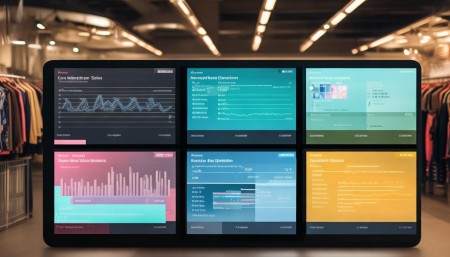
And speaking of communication—email marketing integration is non-negotiable. But it’s not just about sending out newsletters. You want something that syncs seamlessly with your email platform so you can trigger personalized messages based on behavior. For example, if someone abandons a cart full of swimwear in June, your CRM should automatically send them a follow-up with a little nudge—maybe even a discount code. Timing matters, especially in fashion.
Now, here’s where it gets tricky: inventory visibility. Most CRMs don’t talk to inventory systems, but in apparel, that’s a huge problem. Imagine promising a customer that their favorite sweater will be back in stock next week—only to find out it’s been discontinued. Awkward, right? So your CRM needs real-time links to your inventory database. That way, your sales team, customer service reps, and even automated emails know exactly what’s available, what’s coming in, and what’s sold out for good.
Oh, and let’s talk about size and color variants. This is where generic CRMs fall flat. If someone bought a medium navy blue hoodie last season, wouldn’t it be awesome to recommend a medium charcoal one this time? Or notify them when that exact color comes back? Your CRM should track not just what people buy, but which version—down to the size, color, and fit. That level of detail is gold for personalization.
Another thing I didn’t think about at first? Wholesale and B2B management. If you sell to boutiques or department stores, your CRM has to handle those relationships differently than direct-to-consumer ones. You need separate pipelines, pricing tiers, order histories, and contract tracking. And trust me, trying to manage all that in spreadsheets is a nightmare waiting to happen.
Customer service is another big piece. When someone calls in asking about a delayed shipment, the rep should pull up their entire history in seconds—their past orders, returns, communications, even notes from previous calls. No “Let me transfer you” runaround. A good apparel CRM keeps all that info in one place, so your team can actually help people instead of playing detective.

Returns and exchanges—ugh, we all hate them, but they’re part of the game in fashion. People order multiple sizes to try on, colors to match, and then send most of it back. Your CRM should track return reasons, frequency, and patterns. Is one particular style being returned because the fit runs small? That’s valuable feedback you can pass to design or adjust your size charts.
And hey, loyalty programs! If you’re not rewarding repeat customers, you’re missing out. But slapping together a points system in some random app won’t cut it. Your CRM should power a fully integrated loyalty program—track points, redeem rewards, celebrate milestones, and even surprise loyal shoppers with early access to new drops. Make them feel special, because they are.
Social media engagement is also key. People discover fashion brands on Instagram, TikTok, Pinterest—you name it. Your CRM should connect to your social platforms so you can see who’s engaging with your content, tagging your brand, or commenting on posts. Then use that data to build warmer leads. Maybe someone liked three photos of your new jacket—send them a DM with a link and a personal note. Human touch goes a long way.
Seasonality plays a huge role too. Unlike other industries, fashion moves in cycles—spring/summer, fall/winter, holiday collections. Your CRM should help you plan around those rhythms. Set up campaigns months in advance, track pre-orders, monitor sell-through rates, and forecast demand based on past seasons. That way, you’re not stuck with 500 unsold parkas in April.
Analytics and reporting? Absolutely essential. But not just basic stuff like “we made $50K last month.” You need deep insights—customer lifetime value by segment, retention rates, churn triggers, which marketing channels bring in the highest-value buyers. The more you understand your data, the smarter your decisions become.
Integration with your e-commerce platform is another must. Whether you’re using Shopify, BigCommerce, Magento, or custom software, your CRM has to sync smoothly. Orders, customer profiles, shipping updates—all flowing in real time. Otherwise, you’re constantly double-entering data, and nobody has time for that.
And don’t forget mobile access. Your team isn’t always at a desk. Sales reps at trade shows, managers checking reports on the go, customer service answering questions from home—everyone needs to access the CRM from their phone or tablet. The interface should be clean, fast, and intuitive, not some clunky desktop relic.
Data security is serious, too. You’re storing names, addresses, payment info (even if tokenized), and shopping habits. That’s sensitive stuff. Your CRM provider better have strong encryption, compliance with GDPR and CCPA, and clear policies on data usage. Don’t just take their word for it—ask for details.
Customization is another factor. No two apparel brands are exactly alike. One might focus on sustainable activewear, another on luxury handbags. Your CRM should adapt to your workflow, not force you into a rigid mold. Custom fields, flexible dashboards, tailored automations—these things matter.
Onboarding and support shouldn’t be an afterthought. Look for a vendor that actually helps you set things up, trains your team, and sticks around when you hit snags. Because let’s face it—no software is perfect on day one. You’ll have questions, hiccups, maybe even a panic moment when something breaks before a big launch. Good support saves your sanity.
Scalability is important too. What works for a startup with 10 employees might choke when you grow to 100. Your CRM should grow with you—handling more users, more data, more complex workflows without slowing down or costing a fortune in upgrades.
Oh, and collaboration features! Teams need to share notes, assign tasks, tag each other in customer records. If your designer sees a trend in customer feedback about sleeve length, they should be able to flag it directly in the CRM for the product team. Break down silos between departments.
Supplier and vendor tracking can be useful too, especially if you manage production overseas. Some advanced CRMs let you log conversations with factories, track sample shipments, and store compliance documents. Not every brand needs this, but if you do, it’s a game-changer.
User permissions are easy to overlook but super important. Not everyone should see everything. Your intern doesn’t need access to financial reports, and your warehouse staff don’t need to read private customer notes. Granular control keeps things secure and organized.
Automation saves so much time. Think about routine tasks—sending thank-you emails after purchases, updating tags when someone hits VIP status, reminding customers about abandoned carts. Let the CRM handle that stuff so your team can focus on real relationships.
And hey, AI is starting to play a role now. Some CRMs use machine learning to predict which customers are likely to churn, suggest the best products to recommend, or even draft personalized email copy. It’s not magic, but it’s helpful—especially as your customer base grows.
One thing I’ve learned? Implementation takes time. You can’t just flip a switch and expect perfection. Plan for a rollout—start with core features, train your team in phases, gather feedback, tweak settings. Be patient. The goal isn’t to go live fast—it’s to go live right.
Also, get input from the people who’ll actually use it. Talk to your customer service reps, your marketers, your sales team. They’ll tell you what’s missing, what’s annoying, what would make their jobs easier. Build the system with them, not just for them.
Pricing models vary a lot. Some charge per user, some per contact, some bundle features in tiers. Watch out for hidden fees—like extra costs for integrations, support, or data exports. Read the fine print. And remember: cheapest isn’t always best. Sometimes paying a bit more upfront saves headaches later.
Finally, think long-term. This isn’t just a tool for today—it’s part of your brand’s infrastructure. Choose a CRM with a roadmap, regular updates, and a company that listens to customers. You want a partner, not just a software vendor.
So yeah, wrapping it all up—an apparel CRM isn’t just a contact list with fancy labels. It’s the central nervous system of your brand. It connects marketing, sales, service, inventory, and data into one living, breathing ecosystem. When it works well, you know your customers deeply, respond faster, sell smarter, and build real loyalty.
It’s not cheap, and it’s not simple. But if you’re serious about growing your apparel business in a crowded market, it’s one of the best investments you can make.
Q: Can I use a regular CRM like HubSpot for my clothing brand?
A: You can, but you’ll probably end up fighting the system. Generic CRMs don’t handle size/color variants, seasonal trends, or inventory links well. You’ll waste time working around limitations instead of growing your brand.
Q: How much does an apparel-specific CRM usually cost?
A: It varies—anywhere from
Q: Do I need technical skills to set it up?
A: Not really. Most modern CRMs are designed for non-tech users. But having someone on your team who’s comfortable with software helps—especially during onboarding and customization.
Q: Will it integrate with my existing e-commerce store?
A: Most reputable apparel CRMs offer native or API-based integrations with Shopify, WooCommerce, BigCommerce, etc. Just confirm compatibility before committing.
Q: Can it help me reduce returns?
A: Indirectly, yes. By tracking return reasons and customer feedback, you can spot patterns—like a shirt running small—and adjust sizing guides, product descriptions, or even future designs.

Q: Is cloud-based better than on-premise?
A: For most apparel brands, yes. Cloud CRMs update automatically, scale easily, and let your team access data from anywhere—super important if you work with remote teams or travel often.
Q: How long does implementation usually take?
A: Typically 4 to 12 weeks, depending on complexity. Smaller brands might go live in a month; larger ones with lots of data and integrations could take longer.
Q: Can I import my existing customer data?
A: Absolutely. Most CRMs support CSV imports and can map your old data fields to the new system. Just clean up your lists first—duplicates and outdated emails cause issues.
Q: What if I outgrow the CRM later?
A: Choose a platform known for scalability. Check if they’ve successfully supported brands similar to your growth goals. Avoid niche tools with limited features or poor support.
Q: Does it help with influencer collaborations?
A: Some do! Advanced CRMs let you track influencer contacts, campaign performance, commission payouts, and content usage rights—all in one place.

Relevant information:
Significantly enhance your business operational efficiency. Try the Wukong CRM system for free now.
AI CRM system.