
△Click on the top right corner to try Wukong CRM for free
You know, I’ve been thinking a lot lately about how we use information software in our daily lives. It’s kind of wild when you stop to realize just how much we rely on these tools—whether it’s for work, school, or even just managing our personal schedules. Honestly, most of us probably don’t give it a second thought until something goes wrong, like when your calendar doesn’t sync or your spreadsheet suddenly crashes.
Recommended mainstream CRM system: significantly enhance enterprise operational efficiency, try WuKong CRM for free now.
But here’s the thing: using information software effectively isn’t just about knowing which buttons to click. It’s more about developing habits and strategies that help you get the most out of the tools you already have. And let me tell you, once you start doing that, it can seriously change how productive you feel throughout the day.
I remember when I first started using project management software at work. At first, I was overwhelmed. There were so many features—task lists, timelines, file sharing, comments—it felt like drinking from a firehose. But over time, I figured out what actually mattered for my team. We didn’t need every single feature; we just needed the ones that kept us organized and communicating clearly.
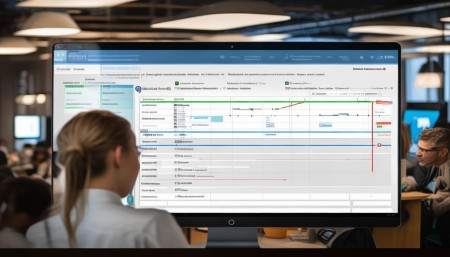
That’s kind of the golden rule, right? Don’t try to use everything. Pick the functions that solve real problems for you. For example, if you’re always forgetting deadlines, maybe focus on mastering reminders and calendar integrations. If collaboration is your weak spot, look into shared documents and real-time editing tools.
And speaking of collaboration—have you ever tried working on a document with someone else in real time? It’s amazing how much smoother things go when everyone’s on the same page—literally. Tools like Google Docs or Microsoft 365 let multiple people edit at once, leave comments, and track changes. It cuts down on email chains and confusion big time.
But—and this is a big but—you’ve got to set some ground rules. Otherwise, you end up with five people rewriting the same paragraph and nobody knows what version is final. So agree on who owns what section, how feedback should be given, and when to lock the document for review.
Another thing I’ve learned the hard way: backups are not optional. I once lost an entire week’s worth of work because I assumed the cloud would save me. Spoiler alert—it didn’t. The file corrupted, and I hadn’t downloaded a local copy. Lesson learned. Now I make sure anything important gets backed up in at least two places. Cloud plus external drive, or cloud plus email draft—whatever works for you.

Security is another area where people tend to cut corners. I get it—nobody likes remembering ten different passwords. But using “123456” for everything? That’s just asking for trouble. Take the time to set up strong, unique passwords and use a password manager. Yeah, it feels like extra work at first, but trust me, it’s worth it when you’re not dealing with a hacked account.
And while we’re on the topic of security, don’t forget about two-factor authentication. It adds one extra step when you log in, sure, but that little code sent to your phone can keep hackers out. I used to skip it because it felt annoying, but after a friend had their email taken over, I changed my mind fast.
Now, let’s talk about organization. This might sound boring, but naming your files properly makes a huge difference. “Document1_final_v2_updated.docx” is not helpful. Try something like “ProjectProposal_ClientName_2024-04-10.docx.” A little structure goes a long way when you’re searching for something later.
Same goes for folders. Create a system that makes sense to you—maybe by project, by date, or by client. Just pick something and stick with it. And clean up regularly. Delete old drafts, archive completed projects, and keep only what you really need. Clutter slows you down more than you think.
One thing that surprised me is how much time I saved just by learning keyboard shortcuts. I used to click through menus for everything. Then a coworker showed me Ctrl+C, Ctrl+V, Ctrl+Z—basic stuff, I know—but then they taught me Alt+Tab to switch apps and Ctrl+F to search within a document. Game changer. Now I spend way less time fumbling around.
And don’t underestimate the power of templates. Whether it’s for emails, reports, or meeting agendas, having a starting point saves mental energy. I keep a folder of templates for common tasks, and it cuts my prep time in half. Plus, it helps keep things consistent, which looks professional.

Integration is another big win. A lot of software these days can talk to each other. Like, your calendar can pull events from your email, or your task app can create to-dos from messages. Set those connections up once, and they’ll save you minutes every single day. Over time, that adds up to hours.
I also swear by automation. Things like auto-filing emails, scheduled backups, or recurring tasks—let the machines do the repetitive stuff. For example, I have a rule that moves all invoices into a specific folder as soon as they arrive. No thinking required. It’s like having a tiny assistant working 24/7.
But here’s a tip: don’t automate something until you fully understand the process. Automating a messy workflow just gives you messy results faster. So figure out the best way to do something manually first, then teach the software to do it for you.
Training matters too. I’ve seen people struggle with software simply because they never took the time to learn it properly. Most programs have free tutorials, help centers, or even live webinars. Spend an hour watching a walkthrough—you’ll probably discover features you didn’t even know existed.
And don’t be afraid to ask for help. Seriously. Whether it’s a colleague, a tech support chatbot, or a quick YouTube search, there’s no shame in not knowing everything. In fact, asking questions usually means you care about doing things right.
Customization is another underrated skill. A lot of software lets you tweak the interface—move toolbars, change views, set default settings. Take five minutes to adjust things so they fit how you work. It might seem small, but when you’re staring at the same screen all day, comfort matters.
Let’s not forget mobile access. These days, I’m not always at my desk. Being able to check tasks, reply to messages, or review documents on my phone keeps me flexible. Just make sure your mobile setup is secure—don’t leave sensitive info lying around on a public device.
Notifications… oh boy, where do I start? They’re useful, sure, but they can also destroy your focus. I used to jump every time my phone buzzed. Now I’ve turned off non-essential alerts and set specific times to check messages. My concentration has never been better.
And speaking of focus, avoid multitasking. I know it sounds impressive, but switching between apps constantly kills productivity. Try using one tool at a time, finish a task, then move on. You’ll get more done in less time.
Data accuracy is crucial too. Garbage in, garbage out—they say that for a reason. If you enter wrong info into your software, everything built on top of it will be flawed. Double-check dates, names, numbers. It takes two seconds and prevents headaches later.
Regular updates are another must. I know they’re annoying—especially when they pop up in the middle of something important—but they often include security patches and performance fixes. Let them run. Better to wait two minutes now than deal with a crash later.
Feedback loops help too. After using a tool for a while, ask yourself: Is this actually helping me? Or am I just using it because it’s there? Be honest. If a piece of software isn’t adding value, ditch it. Life’s too short for clunky tools.
Also, consider your goals. Are you trying to save time? Improve communication? Track progress? Your objective should guide which software you use and how you use it. Don’t get distracted by flashy features that don’t serve your purpose.
Team alignment is key if you’re working with others. Everyone should be on the same platform and using it the same way. Otherwise, you end up with chaos—some people using Asana, others on Trello, nobody knows what’s going on. Pick one system and commit.
And finally, be patient with yourself. Learning new software takes time. You’re going to make mistakes, forget steps, maybe even delete something by accident. It happens to everyone. Just stay calm, undo what you can, and keep going.
At the end of the day, information software is just a tool. It’s not magic. It won’t fix bad habits or replace clear thinking. But when used wisely, it can make your life easier, your work better, and your days less stressful.
So take a breath. Look at the tools you already have. Play around with them. Find the features that help you most. Build routines. Protect your data. And don’t forget to step back every now and then to see if it’s all still working for you.
Because the goal isn’t to use every function or impress anyone with your tech skills. It’s about making your life simpler, one smart choice at a time.
Q: What’s the first thing I should do when starting with new information software?
A: Take a few minutes to explore the interface and find the help section or tutorial. Getting familiar with the basics early saves frustration later.
Q: How can I stop feeling overwhelmed by all the features?
A: Focus on solving one problem at a time. Start with the core functions you need, and add more only when necessary.
Q: Is it really worth learning keyboard shortcuts?
A: Absolutely. They might seem small, but they add up to major time savings over weeks and months.
Q: What’s the easiest way to improve file organization?
A: Use clear, consistent naming conventions and organize folders by project or category. Clean up outdated files regularly.
Q: How often should I back up my data?
A: Important files should be backed up automatically if possible, but at minimum, do it weekly—or right after finishing critical work.
Q: Can I trust cloud storage completely?
A: Cloud storage is generally reliable, but it’s smart to have a secondary backup, like an external drive, just in case.
Q: Why should I use two-factor authentication?
A: It adds an extra layer of security, making it much harder for unauthorized users to access your accounts.
Q: What’s the best way to collaborate without confusion?
A: Agree on roles, use commenting features, and designate one person to finalize documents before submission.
Q: How do I know if a software tool is actually helping me?
A: Ask yourself if it’s saving time, reducing errors, or improving communication. If not, it might be time to reevaluate.
Q: Should I use automation right away?
A: Not until you’ve mastered the manual process. Automating a broken workflow just breaks things faster.

Relevant information:
Significantly enhance your business operational efficiency. Try the Wukong CRM system for free now.
AI CRM system.