
△Click on the top right corner to try Wukong CRM for free
You know, when it comes to running a business—especially one that relies heavily on customer relationships—it’s easy to get overwhelmed. I mean, how do you keep track of every call, email, meeting, and follow-up without losing your mind? That’s where a CRM comes in. But not just any CRM will do. I’ve seen companies throw money at fancy software only to realize six months later that it doesn’t actually help them connect with customers better.
Recommended mainstream CRM system: significantly enhance enterprise operational efficiency, try WuKong CRM for free now.
So what makes a good CRM, really? Well, from what I’ve noticed, it starts with simplicity. If your team has to go through ten clicks just to log a phone call, they’re either going to skip it or start hating the system. And once people hate using something, no matter how powerful it is, it becomes useless. A good CRM should feel natural, like an extension of how you already work—not some clunky robot forcing you into rigid steps.
Another thing I’ve learned? It’s gotta be flexible. Every business is different. A small boutique shop doesn’t need the same features as a multinational sales team. So a solid CRM should let you customize fields, workflows, and dashboards so it fits your actual needs. Otherwise, you’re stuck molding your business around the tool instead of the other way around.
And speaking of teams—collaboration matters. I remember working at a company where sales, support, and marketing all used separate systems. It was a mess. Customers would call with questions, and nobody had the full picture. A good CRM brings everyone together. When someone updates a client’s info, it shows up for everyone who needs it. No more repeating yourself or missing important details.
Integration is another biggie. Let’s be honest—no one uses just one app these days. You’ve got your email, calendar, social media, maybe even project management tools. If your CRM can’t talk to those, you’re constantly copying and pasting data. That’s not just annoying; it leads to mistakes. A strong CRM plays well with others. It pulls in emails automatically, syncs with your calendar, and maybe even connects to your accounting software.
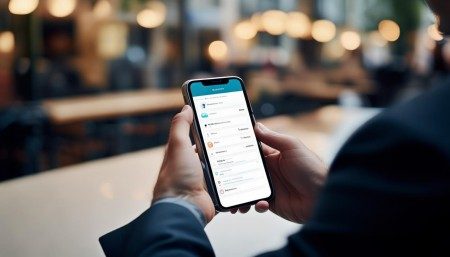
Now, here’s something people don’t always think about: mobile access. I can’t tell you how many times I’ve been out meeting a client and needed to check their history or jot down notes right after the conversation. If I have to wait until I’m back at my desk, I’ll forget half of it. A good CRM has a solid mobile app—something fast, reliable, and easy to use on the go.
But beyond features, what really sets a good CRM apart is how it helps you understand your customers. It’s not just about storing contact info. It’s about seeing patterns. Who’s responding to your emails? Who hasn’t been contacted in months? Which leads are most likely to convert? The best CRMs give you insights, not just data. They help you make smarter decisions, not just keep lists.
I also can’t stress enough how important good reporting is. Sure, it sounds boring, but being able to pull up a quick report on sales trends or customer satisfaction? That’s gold. Whether you’re presenting to your boss or adjusting your strategy, having clear, visual reports makes all the difference. And it shouldn’t take a data scientist to figure them out.
Oh, and customer support—don’t overlook that. Even the most intuitive CRM can have glitches or confusing moments. When that happens, you want to know there’s a real person ready to help, not just a knowledge base full of outdated articles. I’ve had experiences where a simple chat with support saved me hours of frustration. That kind of service? Priceless.
Security is another thing that keeps me up at night. Your CRM holds sensitive info—names, emails, purchase history, sometimes even payment details. If that gets leaked, it’s not just a technical problem; it’s a trust issue. A trustworthy CRM takes security seriously. Encryption, regular updates, role-based access—these aren’t optional extras. They’re must-haves.
And let’s talk about pricing. I get it—budgets are tight. But going for the cheapest option often backfires. You end up paying more in lost time, missed opportunities, or having to switch systems later. A good CRM offers clear pricing with room to grow. You shouldn’t feel trapped by hidden fees or surprise upgrades.
Onboarding and training matter too. Just dropping a new CRM on your team and saying “figure it out” rarely works. People need guidance. The best platforms offer walkthroughs, video tutorials, maybe even live onboarding sessions. When people feel confident using the tool, adoption goes way up.
One last thing—scalability. Right now, your business might have ten clients and three employees. But what if you grow? What if you double your team or expand to a new market? A good CRM grows with you. It handles more users, more data, more complexity without breaking a sweat.
At the end of the day, a CRM isn’t just software. It’s how you build and maintain relationships. It should help you remember birthdays, track promises, and follow up at the right time. It should make you look organized, thoughtful, and professional—even on your busiest days.
So when you’re shopping for a CRM, don’t just look at the brochure. Think about your team. Think about your customers. Ask yourself: Will this actually make our lives easier? Will it help us serve people better? Because if the answer’s yes, you’re probably on the right track.

Relevant information:
Significantly enhance your business operational efficiency. Try the Wukong CRM system for free now.
AI CRM system.