
△Click on the top right corner to try Wukong CRM for free
You know, hospitals are busy places. I mean, really busy. There’s always someone coming in, someone going out, doctors rushing from one room to another, and nurses juggling a dozen tasks at once. Honestly, it can feel like chaos sometimes. But here’s the thing—through all that noise and motion, there’s one thing that really matters: the patient. And let me tell you, managing patients well? That’s not just important—it’s everything.
Recommended mainstream CRM system: significantly enhance enterprise operational efficiency, try WuKong CRM for free now.
I remember talking to a nurse friend of mine last month, and she said something that stuck with me. She said, “We do our best, but sometimes we miss things—not because we don’t care, but because we’re overwhelmed.” That hit me hard. Because when you think about it, even the most dedicated staff can drop the ball if the system isn’t helping them stay organized.
That’s where hospital CRM comes in. Now, I know what you’re thinking—CRM? Isn’t that for sales teams and customer service? Well, yeah… but also kind of no. Not anymore. Hospitals are starting to realize that patients aren’t just medical cases—they’re people with needs, emotions, questions, and expectations. And treating them like customers? Not in a cold, transactional way—but in a thoughtful, personalized way? That actually makes a huge difference.
Let me give you an example. Imagine this: Mrs. Johnson, 68, has a follow-up appointment after her surgery. Without a CRM, she might get a generic reminder email—or worse, nothing at all. Then she forgets, misses the appointment, and her recovery hits a snag. But with a hospital CRM? The system remembers her. It sends her a friendly text reminder two days before, calls her the day before just to check in, and even lets her reschedule online if she needs to. See the difference? It’s not magic—it’s smart management.
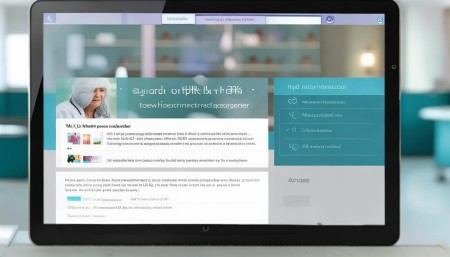
And it’s not just about appointments. Think about how many times patients call the front desk asking the same questions: “When will my lab results be ready?” or “Can I refill my prescription?” A good CRM can automate those answers. Patients get faster responses, staff spend less time repeating themselves, and everyone walks away feeling a little less stressed.
But here’s what really gets me—how CRM helps build relationships. I mean, real ones. When a doctor logs into the system and sees that Mr. Lee prefers morning appointments because he takes his grandson to school in the afternoon? That’s powerful. It shows the patient, “Hey, we see you. We remember you.” That kind of attention? It builds trust. And trust? That’s what keeps people coming back, even when they have choices.
I’ve also seen how CRM tools help during emergencies. Say there’s a flu outbreak. Instead of scrambling to contact high-risk patients, the hospital can use the CRM to instantly identify them—diabetics, seniors, people with respiratory issues—and send targeted messages with prevention tips or vaccine info. It’s fast, it’s efficient, and honestly? It could save lives.
Now, I won’t pretend it’s all smooth sailing. Some folks worry about privacy. And hey, they should. Patient data is sensitive—no question. But modern hospital CRMs are built with serious security. We’re talking encryption, access controls, audit trails—the works. Plus, when used right, CRM actually improves privacy by reducing errors and keeping records accurate and centralized.
Another concern? Cost. Yeah, implementing a CRM isn’t cheap. But let’s be real—what’s the cost of losing patients because they felt ignored? Or missing early signs of a chronic illness because follow-ups fell through? In the long run, a CRM pays for itself by improving care, reducing no-shows, and boosting patient satisfaction.
And speaking of satisfaction—have you seen how much word-of-mouth matters these days? People talk. If your hospital treats them well, they’ll tell five friends. If not? They’ll leave a review that sticks around forever. A CRM helps make sure the stories people share are the good ones.
Look, I get it—change is hard. Doctors didn’t go to med school to learn software. Nurses didn’t sign up to become data entry clerks. But a good CRM isn’t about adding work—it’s about removing friction. It’s about giving healthcare workers the tools to do what they already want to do: take great care of people.
At the end of the day, medicine is human. It’s about connection, compassion, and communication. And a hospital CRM? When it’s done right, it doesn’t replace that humanity—it supports it. It gives staff more time to listen, to comfort, to heal. And isn’t that what healthcare should be about?
So yeah, managing patients with a hospital CRM? I think it’s not just smart—it’s necessary. Not because technology is flashy, but because it helps us care better. And in a world where everyone’s stretched thin, that’s something worth investing in.

Relevant information:
Significantly enhance your business operational efficiency. Try the Wukong CRM system for free now.
AI CRM system.