
△Click on the top right corner to try Wukong CRM for free
So, let me tell you something—I’ve been using CRM systems for years now, and honestly? The one thing that always comes up, the thing I keep asking myself over and over again, is whether the interface is actually user-friendly. I mean, sure, companies love to brag about how powerful their CRM is, how it can track leads, manage customer data, automate emails—you name it. But if the interface feels like trying to solve a Rubik’s cube blindfolded, what good is all that power?
Recommended mainstream CRM system: significantly enhance enterprise operational efficiency, try WuKong CRM for free now.
I remember the first time I logged into a new CRM at work. I was excited, ready to dive in. Within five minutes, I was completely lost. Where do I add a new contact? How do I update a deal stage? Why does everything look like it was designed by someone who hates humans? It wasn’t just confusing—it was frustrating. And I’m not some tech newbie. I use software every day. So if I’m struggling, imagine how someone less tech-savvy must feel.
That’s when it hit me: a CRM can have all the features in the world, but if people don’t want to use it because it’s too complicated, then it’s basically useless. Think about it—what’s the point of having a system that tracks customer interactions if your sales team avoids logging in because it takes ten clicks to do anything? You end up with outdated data, missed follow-ups, and annoyed customers. Not exactly a recipe for success.
Now, don’t get me wrong—I’ve also used CRMs that felt smooth, almost natural. One I used last year had this clean dashboard right when you log in. Everything I needed—recent activities, open deals, upcoming tasks—was right there. No digging through menus. No guessing where things were hidden. It just made sense. I could add a note, update a lead, or send an email without breaking my flow. That’s what a user-friendly interface should feel like—like it’s helping you, not fighting you.
And here’s the thing: user-friendly doesn’t mean “simple” in a dumb-downed way. It means intuitive. It means logical. It means I don’t have to read a 50-page manual just to figure out how to schedule a meeting. A good CRM understands that people are busy. They’re juggling calls, emails, meetings, and real human conversations. The last thing they need is software that slows them down.
I’ve noticed that the best interfaces tend to follow a few key principles. First, consistency. If clicking a button does one thing in one part of the app, it should do the same thing everywhere else. That sounds obvious, right? But I’ve seen CRMs where the “save” button changes color, position, or even label depending on which screen you’re on. That’s just confusing. My brain shouldn’t have to relearn basic actions every time I move to a new section.
Second, clear labeling. I shouldn’t have to hover over an icon for three seconds just to guess what it does. If it’s a calendar, call it a calendar. If it’s a settings gear, fine—but at least make sure it looks like a gear and not some abstract shape that could be anything. And please, for the love of all things usable, avoid jargon. Not everyone knows what “lead scoring algorithm optimization” means. Just say “adjust how leads are ranked.”
Third—and this one’s huge—speed matters. A slow interface kills productivity. If I click “save” and have to wait five seconds to see confirmation, I start wondering if it worked. Did it save? Should I click again? Now I’ve accidentally created two entries. That kind of lag makes people distrust the system. And once trust is gone, adoption drops fast.
I’ve also seen teams resist CRM adoption simply because the interface feels clunky. Salespeople especially—they’re results-driven. If the tool gets in the way of closing deals, they’ll find ways around it. Maybe they keep notes in spreadsheets. Maybe they rely on memory. Or worse, they log in once a week and dump a bunch of outdated info just to check a box. That defeats the whole purpose.
On the flip side, when a CRM feels easy to use, people actually want to use it. I’ve watched teammates voluntarily enter data because it only took a few seconds. They’d tag contacts, set reminders, attach files—all without groaning. That’s the dream, right? When the tool becomes a helpful assistant instead of a bureaucratic chore.
Another thing I’ve learned: customization can be a double-edged sword. Some CRMs let you rearrange dashboards, create custom fields, build workflows. That sounds great in theory. But if the customization options are buried under layers of menus or require coding knowledge, most users won’t touch them. And if every user sets up their own version of the CRM, you lose consistency across the team. Suddenly, no two people are using the system the same way. That creates confusion and makes reporting a nightmare.
The best systems strike a balance—enough flexibility to adapt to different needs, but with guardrails so it doesn’t become chaos. Pre-built templates help. Smart defaults help even more. For example, if most of your team logs calls the same way, why make them configure it from scratch? Just give them a smart starting point.
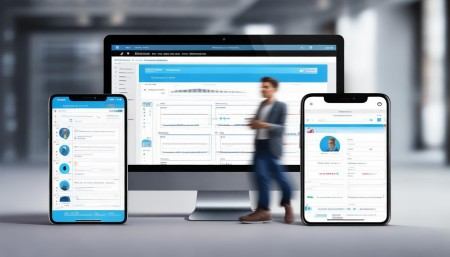
Accessibility is another big one. I’ve used CRMs that look great on a desktop but fall apart on a phone. Try updating a deal status while walking between meetings on a tiny screen with buttons too small to tap. It’s maddening. A truly user-friendly CRM works well across devices. It adapts. It doesn’t punish you for being on the go.
And let’s talk about onboarding. No matter how good the interface is, people need to learn it. But that doesn’t mean dumping a 200-slide training deck on them. Short videos, tooltips, interactive walkthroughs—those work better. I once used a CRM that gave me a little pop-up the first time I opened each module, showing me the key actions. It wasn’t annoying. It was helpful. Took 30 seconds. Made a difference.
Support matters too. Even with a great interface, questions come up. Is there a chatbot? A knowledge base? Can I actually reach a real person if I’m stuck? I’ve abandoned tools before simply because support was impossible to reach. If the company doesn’t care enough to help users, why should I care about using their product?
Here’s a thought: maybe we focus too much on features and not enough on feelings. How does the CRM feel to use? Does it make you sigh in relief or roll your eyes? Does it reduce stress or add to it? That emotional response is real. It affects behavior. It affects adoption. It affects results.
I’ve also noticed that updates can mess things up. A CRM might be smooth one month, then after an update, half the buttons move, labels change, and suddenly nothing works the way it did. That’s disorienting. Change isn’t bad—improvements are good—but it should be thoughtful. Users need time to adjust. Major changes should come with explanations, not just silent overhauls.
And hey, feedback loops matter. Does the CRM provider listen to users? Do they fix reported issues? Do they explain why certain design choices were made? When I feel heard, I’m more likely to stick with a product, even if it has flaws. But if I report a bug and hear nothing back? That tells me my experience doesn’t matter.
Let’s be honest—no CRM is perfect. But the ones that win are the ones that respect the user’s time, energy, and intelligence. They don’t assume everyone is a power user. They don’t force people to think like computers. They meet people where they are.
I’ve started judging CRMs differently now. Instead of asking, “What can it do?” I ask, “How does it make me feel when I use it?” If the answer is “frustrated,” “confused,” or “exhausted,” then it doesn’t matter how many AI features it has. It’s failing.
Because at the end of the day, a CRM is only as good as the people using it. And people won’t use something that fights them at every turn. They’ll use something that feels like a partner—not a puzzle.
So yeah, is the CRM system interface user-friendly? That’s not just a technical question. It’s a human one. It’s about empathy. It’s about design that serves people, not the other way around. And honestly? We need more of that.
Q: What makes a CRM interface truly user-friendly?
A: Honestly? It’s about simplicity, consistency, and speed. If I can do what I need without thinking too hard, and it works the same way every time, that’s user-friendly.
Q: Can a CRM be powerful and still easy to use?
A: Absolutely. Power doesn’t have to mean complexity. The best ones hide the heavy lifting behind a clean, intuitive front end. You get the benefits without the headache.
Q: Why do some teams resist using CRM systems?
A: Usually because it feels like extra work. If the interface is slow or confusing, people skip it. They’d rather spend time selling than wrestling with software.
Q: Should CRMs be customizable?
A: To a point. Too much freedom creates chaos. But smart customization—like personal dashboards or saved views—can make the system fit your workflow, not fight it.

Q: How important is mobile access?
A: Huge. People aren’t chained to desks anymore. If I can’t quickly check a contact or log a call on my phone, I’ll probably forget. Mobile usability is non-negotiable.
Q: What role does onboarding play in CRM adoption?
A: Massive. Even the best interface needs a gentle introduction. Quick guides, tooltips, and short videos help people feel confident, not overwhelmed.
Q: Do frequent updates hurt usability?
A: They can—if they’re poorly communicated. Changing layouts without warning throws people off. Updates should improve things, not break muscle memory.
Q: How can companies test if their CRM is user-friendly?
A: Watch real people use it. Don’t just ask for opinions—observe. See where they hesitate, where they click the wrong thing, where they give up. That’s where the truth lies.
Q: Is design really that important in business software?
A: More than most realize. Good design reduces errors, saves time, and builds trust. Bad design? It drives people away, no matter how “advanced” the backend is.

Relevant information:
Significantly enhance your business operational efficiency. Try the Wukong CRM system for free now.
AI CRM system.