
△Click on the top right corner to try Wukong CRM for free
You know, managing a CRM funnel can feel like trying to keep ten plates spinning at once—especially when you're juggling leads, follow-ups, and sales targets all in one go. I’ve been there, honestly. At first, I thought just having a CRM was enough. But after a few months of inconsistent results, I realized it wasn’t the tool that was the problem—it was how I was using it.
Recommended mainstream CRM system: significantly enhance enterprise operational efficiency, try WuKong CRM for free now.
So let me walk you through some real-life tips that actually helped me turn my CRM from a digital filing cabinet into a powerful sales engine. These aren’t textbook theories; they’re things I’ve tested, messed up, learned from, and eventually got right.
First off, clean data is everything. I can’t stress this enough. If your CRM is full of outdated emails, wrong phone numbers, or half-filled lead profiles, it’s not helping—you’re basically working with a broken compass. I used to skip data entry because it felt tedious, but then I’d waste hours chasing dead-end leads. Now? I treat every new contact like a puzzle piece—make sure it fits properly before moving on. That means double-checking names, job titles, company info, and even time zones if we’re doing outreach.
And here’s something people don’t talk about enough: consistency in data formatting. Sounds boring, right? But trust me, when your team uses different formats for dates, stages, or statuses, it becomes a nightmare to pull reports later. We had one rep writing “Follow-up” while another wrote “Pending,” and suddenly our funnel looked like it had three extra stages. So we set clear naming conventions—simple stuff, like “New Lead,” “Qualified,” “Proposal Sent,” “Negotiation,” “Closed – Won/Lost.” Everyone agreed, and boom—cleaner reporting overnight.
Another thing I learned the hard way: don’t let leads sit in limbo. I used to think, “I’ll get back to them tomorrow.” Spoiler alert—they don’t wait. Most sales happen within the first 24–48 hours of initial contact. So now, I use automated reminders and task triggers in my CRM. The second a lead comes in, it assigns a follow-up task for the next day. No excuses. And guess what? Response rates went up by almost 40%.
But automation isn’t magic. You still need a human touch. I see so many companies blast generic emails through their CRM and wonder why no one replies. Look, if your message sounds like it was written by a robot, it probably was. Take five minutes to personalize. Mention their company, reference a recent post they made, or ask about a challenge they might be facing. It doesn’t have to be long—just genuine. I started doing this, and suddenly my open rates jumped, and more importantly, actual conversations started happening.
Now, let’s talk about funnel stages. A lot of teams just copy-paste the standard ones without thinking: “Lead,” “Opportunity,” “Customer.” But here’s the truth—your funnel should reflect how your buyers actually behave, not some idealized version. So I sat down with my sales team and mapped out every step a prospect actually goes through—from first awareness to final decision. We ended up with seven stages instead of four, and each one had clear criteria for moving forward. For example, “Qualified” didn’t just mean “they replied”—it meant they had budget, authority, need, and timeline confirmed. That clarity helped us stop wasting time on tire-kickers.
And speaking of time—tracking activity is huge. I used to judge reps only on closed deals, but that’s like judging a chef only by the final dish and ignoring the prep work. Now, we track calls made, emails sent, meetings booked, and follow-ups completed. Why? Because consistent activity drives results. When someone’s numbers are low, we don’t jump to conclusions—we look at their activity log. Maybe they’re stuck on one deal and haven’t been reaching out to others. Or maybe they’re doing great outreach but struggling to close. The data helps us coach better.
One game-changer for us was setting up pipeline reviews. Every Monday morning, the whole team spends 30 minutes going through the CRM together. We look at stalled deals, celebrate wins, and spot trends. Is there a bottleneck at the proposal stage? Are certain industries taking longer to respond? These meetings keep everyone aligned and accountable. Plus, it’s motivating to see progress—not just for individuals, but for the whole team.
Another tip: segment your leads. Not all prospects are the same, and treating them like they are is a fast track to burnout. We started tagging leads based on industry, company size, pain points, and even where they came from (like webinars vs. cold outreach). Then, we built targeted email sequences for each segment. A startup founder gets a different message than a corporate procurement manager—and it shows. Our conversion rates improved because the messaging finally made sense for each group.
Oh, and don’t forget mobile access. I used to think CRM was a desk-only tool. Then I missed a golden opportunity because I was at a conference and couldn’t update a lead’s status in real time. Now, I make sure my CRM has a solid mobile app. Whether I’m on a train, in a coffee shop, or walking between meetings, I can log calls, add notes, or assign tasks instantly. It keeps the momentum going.
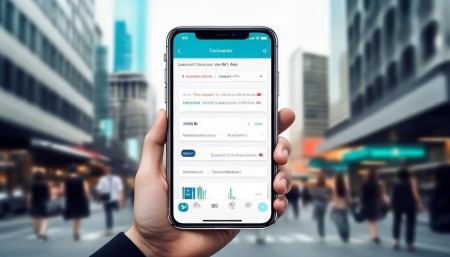
Integration is another big one. Your CRM shouldn’t live in a silo. We connected ours to our email, calendar, marketing platform, and even LinkedIn. Now, when I send an email, it logs automatically. When a meeting is scheduled, it appears in the lead’s timeline. And when someone downloads a whitepaper, they’re tagged as “engaged.” It saves so much manual work and gives a fuller picture of each prospect.
But here’s a mindset shift that really changed things for me: stop seeing the CRM as just a sales tool. It’s a relationship tool. Every note, every call, every follow-up—it’s all part of building trust. I started adding personal details: “Loves hiking,” “Mentioned their kid’s graduation,” “Interested in sustainability.” Sounds small, but when I call them two months later and say, “How was the hike in Colorado?”—you can hear the smile on the other end. That’s how deals get done.
And don’t ignore lost deals. I used to delete or hide them, like they were failures. But now, I treat every “Closed – Lost” as a learning opportunity. We document the reason: price, timing, competitor, no need. Over time, patterns emerge. We noticed a lot of losses were due to pricing concerns—so we created a mid-tier package. Another cluster was around implementation time—so we streamlined onboarding. Losing became a way to improve.
Training matters too. Just because someone knows how to click buttons doesn’t mean they’re using the CRM effectively. We do monthly training sessions—not just on features, but on best practices. How to write good notes, when to escalate a lead, how to use filters to find upsell opportunities. New hires get a buddy for the first month to help them navigate the system. It’s made a huge difference in adoption.
And hey, keep it simple. I once worked at a company that had 15 custom fields per lead. Who has time for that? We cut it down to the essentials: name, company, role, contact info, source, stage, next step, and one-line summary. Everything else? Optional. The easier it is to use, the more likely people are to actually use it.
One last thing—regular audits. Every quarter, we run a cleanup. Duplicate contacts? Merge them. Inactive leads? Nurture or archive. Missing data? Fill it in or remove it. It keeps the system lean and accurate. We also check permissions—who has access to what? You’d be surprised how often ex-employees still have login rights.
Look, CRM funnel management isn’t about perfection. It’s about progress. Some days you’ll forget to log a call. Some leads will fall through the cracks. But if you stay consistent, keep refining, and treat your CRM as a living system—not just software—you’ll start seeing real results.
It’s not flashy. It’s not instant. But over time, those little habits—the daily follow-ups, the clean data, the personalized touches—they compound. And suddenly, your funnel isn’t just moving—it’s flowing.
Q: What’s the biggest mistake people make with CRM funnel management?
A: Probably treating the CRM like a storage unit instead of a workflow tool. If you’re just dumping leads in and forgetting them, you’re missing the whole point.
Q: How often should I review my CRM funnel?
A: At least once a week for individual reps, and team-wide reviews should happen weekly or biweekly. Quarterly deep dives are great for strategy.
Q: Should I automate everything in my CRM?
A: Automate repetitive tasks—like follow-up emails or task assignments—but never automate the human parts of selling. Personalization still matters.
Q: What if my team hates using the CRM?
A: Find out why. Is it too slow? Too complicated? Not useful? Involve them in improving it. Make it work for them, not against them.
Q: How do I know if my funnel stages are right?
A: Ask if they match your buyers’ journey. If deals are getting stuck or moving unpredictably, your stages might not reflect reality.
Q: Can a small business benefit from CRM funnel management?
A: Absolutely. In fact, it’s even more important when you have fewer resources. A well-managed funnel helps you focus on the right leads and avoid wasting time.
Q: What’s one quick win to improve CRM effectiveness?
A: Start logging every interaction—calls, emails, notes—right after they happen. Even five minutes a day makes a huge difference in visibility and follow-through.

Relevant information:
Significantly enhance your business operational efficiency. Try the Wukong CRM system for free now.
AI CRM system.