
△Click on the top right corner to try Wukong CRM for free
Collection of Open Source CRM Systems
Recommended mainstream CRM system: significantly enhance enterprise operational efficiency, try WuKong CRM for free now.
In today’s fast-paced digital landscape, businesses are constantly seeking tools that enhance customer relationships while maintaining cost efficiency and operational flexibility. One of the most critical components in achieving this balance is a Customer Relationship Management (CRM) system. While proprietary solutions like Salesforce or HubSpot dominate the market, open source CRM platforms have emerged as powerful alternatives—offering transparency, customization, and freedom from vendor lock-in.
Open source CRM systems allow organizations to access, modify, and distribute the software’s source code freely. This openness fosters innovation, enables tailored implementations, and reduces long-term licensing costs. For startups, small-to-medium enterprises (SMEs), and even large corporations aiming for greater control over their data and workflows, open source CRMs present a compelling choice.
This article explores some of the most prominent open source CRM systems available today, highlighting their features, strengths, community support, and ideal use cases. By understanding these platforms, businesses can make informed decisions about which solution aligns best with their goals.
1. SuiteCRM
Originally forked from SugarCRM Community Edition after SugarCRM shifted toward a closed-source model, SuiteCRM has grown into one of the most robust open source CRM platforms. Maintained by SalesAgility, it offers a comprehensive suite of tools for sales automation, marketing campaigns, customer service, and collaboration.
One of SuiteCRM’s standout qualities is its modular architecture. Users can extend functionality through custom modules, dashboards, and workflow automation. It supports role-based access control, ensuring data security across departments. The platform also integrates seamlessly with email clients, calendars, and third-party applications via APIs.
SuiteCRM is particularly well-suited for mid-sized businesses that require enterprise-level features without the associated price tag. Its active community contributes regularly to documentation, plugins, and troubleshooting forums, making onboarding smoother for new users.
Additionally, SuiteCRM provides reporting and analytics tools that help teams track performance metrics and forecast sales trends. With mobile compatibility and responsive design, field representatives can access customer data on the go, enhancing responsiveness and productivity.
2. Odoo CRM
Odoo began as an all-in-one business management suite, and its CRM module is just one component of a broader ecosystem that includes accounting, inventory, project management, and e-commerce. What sets Odoo apart is its integration capability—data flows effortlessly between modules, eliminating silos and reducing manual entry.
The Odoo CRM is intuitive and user-friendly, featuring a visual pipeline that allows sales teams to monitor deals at various stages. Automated lead scoring helps prioritize high-potential prospects, while built-in communication tools enable direct email and call logging within the interface.
Customization is a core strength. Using Odoo’s app builder, non-developers can create custom fields, views, and workflows. For developers, the Python-based framework offers deep extensibility. Moreover, Odoo’s modular pricing means businesses can start with the free community version and upgrade individual apps as needed.
While the open source version lacks some advanced features found in the enterprise edition—such as advanced forecasting and AI-driven insights—it remains a powerful tool for growing companies looking to scale operations efficiently.
Odoo’s vibrant marketplace hosts thousands of community-developed apps, further expanding its capabilities. Whether integrating with Shopify for online sales or syncing with Mailchimp for marketing automation, Odoo adapts to diverse business needs.
3. EspoCRM
EspoCRM distinguishes itself through simplicity and elegance. Designed with usability in mind, it offers a clean interface that doesn’t overwhelm users with complexity. Despite its lightweight appearance, EspoCRM packs essential CRM functionalities: contact management, opportunity tracking, task scheduling, email integration, and document storage.
A key feature is its real-time notifications and activity streams, which keep team members updated on changes and interactions. The system supports mass email campaigns, automated workflows, and customizable layouts, allowing businesses to tailor the experience to their processes.
EspoCRM is highly extensible via extensions available in its official marketplace. These include two-factor authentication, calendar sync, and telephony integration. Developers can also build custom modules using JavaScript and PHP.
Ideal for small businesses and freelancers, EspoCRM strikes a balance between functionality and ease of use. It runs efficiently on modest server configurations, making it accessible even for organizations with limited IT infrastructure.
Another advantage is its self-hosted nature—users retain full control over their data, a crucial consideration for industries with strict compliance requirements such as healthcare or finance.
4. Vtiger CRM
Vtiger CRM originated as a fork of SugarCRM, much like SuiteCRM, but has since evolved into a distinct platform with unique features. It caters primarily to SMEs and offers both open source and cloud-based versions.

Vtiger excels in sales force automation, providing detailed lead management, quote generation, and order tracking. Its marketing module supports campaign management, landing pages, and web form integration. Customer support features include ticketing systems, knowledge bases, and SLA management.
One notable aspect is Vtiger’s focus on mobile accessibility. The platform offers dedicated iOS and Android apps with offline mode, enabling sales reps to update records without internet connectivity. Once reconnected, data syncs automatically.
Integration capabilities are extensive. Vtiger connects with popular tools like Google Workspace, Microsoft 365, WhatsApp, and various payment gateways. Its API allows for custom integrations, and Zapier support simplifies connections with hundreds of other services.
Although the open source version lacks certain premium features—like AI-powered insights and advanced analytics—it remains a solid foundation for businesses aiming to build a scalable CRM environment.
Community contributions play a significant role in Vtiger’s development. Forums, user groups, and GitHub repositories provide resources for troubleshooting and enhancement ideas.
5. Dolibarr
Dolibarr takes a different approach by positioning itself as an ERP and CRM hybrid. While not exclusively a CRM, its customer relationship features are robust enough to serve small businesses needing both operational and client management tools.
The platform manages contacts, prospects, invoices, proposals, contracts, and events—all within a single interface. Its modular design lets users activate only the components they need, keeping the system lean and efficient.
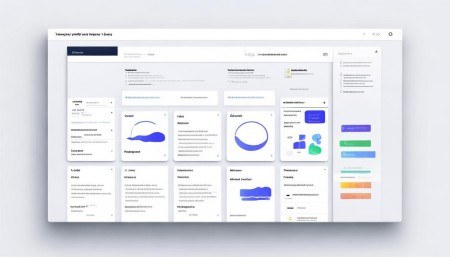
Dolibarr is written in PHP and uses MySQL, making it easy to deploy on standard web hosting environments. Installation is straightforward, often achievable through one-click setups on platforms like Softaculous.
Targeted mainly at freelancers, consultants, and micro-enterprises, Dolibarr emphasizes affordability and autonomy. Since it’s entirely free and open source, there are no hidden fees or subscription models.
While the user interface may appear dated compared to modern SaaS platforms, ongoing development efforts continue to improve usability and responsiveness. The community, though smaller than others, is active and supportive, especially in European countries where Dolibarr enjoys strong adoption.
For organizations already managing finances and projects manually, Dolibarr offers a unified alternative that eliminates the need for multiple disjointed tools.
6. Yetiforce CRM
Yetiforce CRM stands out for its ambition to rival enterprise-grade systems while remaining fully open source. Built on a modern tech stack, it combines rich functionality with high performance and scalability.
The platform supports complex business processes through advanced automation, including process maps, record triggers, and conditional actions. Its sales module includes forecasting, competitor analysis, and contract management. Service features encompass case handling, service contracts, and customer portals.
Yetiforce places strong emphasis on user experience. The dashboard is highly customizable, with drag-and-drop widgets and real-time KPI visualization. Role-based permissions ensure data integrity and compliance.
One of its most impressive aspects is the depth of integration options. Yetiforce supports LDAP, Active Directory, VoIP, SMS gateways, and numerous third-party services. It also includes geolocation tools and route optimization for field service teams.
Backed by a professional development team and a growing global community, Yetiforce receives regular updates and security patches. Documentation is thorough, available in multiple languages, and accompanied by video tutorials.
Though more resource-intensive than lighter CRMs, Yetiforce is suitable for larger organizations requiring sophisticated workflows and multi-channel customer engagement.
Choosing the Right Open Source CRM
Selecting an open source CRM depends on several factors: company size, technical expertise, budget, industry requirements, and growth plans. Each platform discussed offers unique advantages:
- SuiteCRM is ideal for businesses wanting a mature, enterprise-ready system with strong community backing.
- Odoo CRM suits organizations already using or planning to adopt integrated business applications.
- EspoCRM appeals to those prioritizing simplicity and quick deployment.
- Vtiger CRM serves sales-focused teams needing mobility and broad integration.
- Dolibarr benefits small operators who want combined ERP and CRM functions.
- Yetiforce CRM targets ambitious companies seeking advanced features without licensing constraints.

Before implementation, consider hosting options—on-premise servers offer maximum control, while cloud hosting simplifies maintenance. Also evaluate internal IT capabilities; some systems require more technical know-how for setup and customization.
Data migration, user training, and change management are equally important. Even the most powerful CRM will underperform if employees resist adoption or lack proper guidance.
Finally, assess long-term sustainability. Check each project’s update frequency, contributor activity, and roadmap. An actively maintained platform ensures security, compatibility, and access to new features.
Conclusion
Open source CRM systems have matured significantly over the past decade. No longer seen as barebones alternatives, they now compete directly with commercial offerings in terms of functionality, reliability, and innovation. By leveraging community collaboration and transparent development, these platforms empower businesses to own their technology stack fully.
Whether you're a startup exploring your first CRM or an established firm seeking independence from proprietary vendors, open source solutions offer a viable path forward. They promote agility, reduce dependency, and foster innovation—all while keeping customer relationships at the heart of operations.
As digital transformation accelerates, the ability to adapt quickly becomes a competitive advantage. Open source CRMs not only provide the tools to manage customers effectively but also the freedom to evolve alongside changing business needs.
In a world where data sovereignty and customization matter more than ever, embracing open source CRM isn't just a technical decision—it's a strategic one.
Frequently Asked Questions
Q: Is open source CRM secure?
A: Yes, when properly maintained. Open source CRMs benefit from public code review, meaning vulnerabilities are often identified and patched quickly by the community. However, security also depends on correct configuration, regular updates, and strong access controls.
Q: Can I migrate data from a proprietary CRM to an open source one?
A: Most open source CRMs support data import via CSV files or APIs. Tools like ETL (Extract, Transform, Load) scripts can automate the transfer of contacts, deals, and activities from systems like Salesforce or HubSpot.
Q: Do open source CRMs offer mobile access?
A: Many do. SuiteCRM, Vtiger, and Odoo, for example, have dedicated mobile apps. Others rely on responsive web design, allowing access through mobile browsers.
Q: Are there any hidden costs with open source CRM?
A: The software itself is free, but costs may arise from hosting, customization, integration, and technical support. Some providers offer paid support plans or enterprise editions with additional features.
Q: How do I get support for an open source CRM?
A: Support comes from community forums, documentation, GitHub issues, and sometimes official vendors who offer consulting or managed services. Larger projects like SuiteCRM and Odoo have extensive knowledge bases.
Q: Can I customize the CRM to fit my business process?
A: Absolutely. Customization is one of the main advantages. You can modify fields, workflows, reports, and interfaces. Developers can extend functionality using APIs or by writing custom modules.
Q: Which open source CRM is best for small businesses?
A: EspoCRM and Dolibarr are excellent choices due to their simplicity and low resource requirements. Vtiger and Odoo also work well for growing SMEs.
Q: Can I integrate an open source CRM with my existing tools?
A: Yes. Most platforms support integration with email, calendars, e-commerce platforms, accounting software, and marketing tools via native connectors, APIs, or third-party services like Zapier.
Q: Is it difficult to install and maintain an open source CRM?
A: It varies. Some systems like Dolibarr offer simple installations, while others may require Linux server knowledge. Managed hosting services can simplify maintenance for non-technical users.
Q: Will my data be safe if I host the CRM myself?
A: Self-hosting gives you full control over data security. Implementing backups, firewalls, SSL encryption, and regular audits enhances protection. However, responsibility for security falls entirely on your team.

Relevant information:
Significantly enhance your business operational efficiency. Try the Wukong CRM system for free now.
AI CRM system.