
△Click on the top right corner to try Wukong CRM for free
So, you know, I’ve been thinking a lot lately about how businesses actually keep track of their customers. Like, imagine running a store or an online shop—how do you remember who bought what, when they last shopped, or even if they complained about something last time? It sounds kind of overwhelming, right? Well, that’s where CRM systems come in. Honestly, I didn’t really get it at first either. I used to think CRM was just some fancy software salespeople talked about to sound smart. But the more I looked into it, the more I realized—it’s actually kind of brilliant.
Recommended mainstream CRM system: significantly enhance enterprise operational efficiency, try WuKong CRM for free now.
Let me break it down for you. CRM stands for Customer Relationship Management. Sounds official, I know. But really, it’s just a way for companies to manage all their interactions with current and potential customers. Think of it like a super-organized digital notebook—but way smarter. Instead of sticky notes and spreadsheets everywhere, everything gets stored in one place: contact info, purchase history, support tickets, emails, even social media messages. It’s like having a memory that never forgets.
And honestly, it’s not just about remembering stuff. It’s about building better relationships. I mean, wouldn’t you feel good if a company remembered your name, knew what you liked, and followed up after you had a problem? That’s the kind of experience CRM helps create. It turns random transactions into real connections. And let’s be real—people don’t just buy products; they buy experiences. So if a business can make you feel seen and valued, you’re way more likely to stick around.
Now, here’s the thing—CRM isn’t just for big corporations with huge teams. Small businesses use it too. In fact, I have this friend who runs a little boutique online, and she started using a simple CRM tool last year. She told me it completely changed how she communicates with her customers. Before, she’d send generic emails to everyone. Now, she segments her list—like sending special offers to people who bought dresses recently or checking in with those who haven’t shopped in a while. Her sales went up, and her customers say they feel more personally connected. Isn’t that cool?
But wait—it’s not just about marketing. CRM systems help with sales too. Imagine you’re a salesperson trying to close a deal. You’ve emailed a client three times, left a voicemail, and met them once. Without a CRM, you might forget what you talked about or mix up their needs with someone else’s. But with CRM? All that info is logged. You can see the whole history—what they’re interested in, their budget, even personal details like “loves hiking” or “has two kids.” That makes follow-ups way smoother and more human.

And customer service! Oh man, that’s where CRM really shines. Let’s say you call a company with a problem. The last thing you want is to repeat your story five times to five different people. With a good CRM, the agent who picks up your call can instantly see your past issues, purchases, and conversations. No more “Sorry, I’ll need to transfer you.” They can jump right in and help. That kind of efficiency? It builds trust.
I should mention—there are different types of CRM systems. Some are focused on sales automation, others on marketing, and some on service. But the best ones bring all those pieces together. They give a 360-degree view of the customer. That means every department—sales, marketing, support—can work from the same page. No more silos. No more confusion. Just smooth, coordinated teamwork.
And guess what? A lot of these systems are cloud-based now. So you don’t need a server room or IT experts to run them. You can access your CRM from anywhere—your office, your phone, even your couch on a Sunday morning. That flexibility is huge, especially with so many people working remotely these days.
Integration is another big plus. Most CRMs play nice with other tools—like email platforms, calendars, e-commerce sites, and even accounting software. So instead of jumping between ten different apps, everything syncs up. For example, when someone buys something on your website, their info automatically goes into the CRM. No manual entry. No mistakes. It just works.
Now, I know what you might be thinking—“Okay, this sounds great, but isn’t it expensive?” Well, yeah, some enterprise-level systems can cost a fortune. But there are plenty of affordable options out there. Some even have free versions for small teams. And honestly, when you think about the time saved, the sales boosted, and the customers retained—it usually pays for itself pretty quickly.
Another thing people worry about is complexity. “I’m not tech-savvy,” they say. “I’ll never figure it out.” But modern CRMs are designed to be user-friendly. They have clean interfaces, drag-and-drop features, and tons of tutorials. Plus, most vendors offer training and support. So even if you’re starting from zero, you can get up and running in no time.
Data security is important too, right? I mean, you’re storing sensitive customer info—names, emails, maybe even payment details. So you want to make sure the CRM you pick takes security seriously. Look for things like encryption, two-factor authentication, and regular backups. Reputable providers invest heavily in keeping data safe. And honestly, a good CRM is often more secure than storing info in random spreadsheets on someone’s laptop.
One thing I love about CRM systems is how they help with analytics. They don’t just store data—they help you understand it. You can generate reports on things like customer lifetime value, conversion rates, response times, and campaign performance. That kind of insight lets you make smarter decisions. Instead of guessing what’s working, you can see it clearly. And that’s powerful.
For example, let’s say your email open rates are dropping. With CRM data, you might notice that certain segments respond better to specific subject lines or send times. So you tweak your strategy. Or maybe you see that customers who buy Product A often return for Product B. Boom—you’ve got a cross-selling opportunity. It’s like having a flashlight in a dark room—you finally see what’s really going on.
And hey, CRM isn’t static. It evolves with your business. When you’re just starting out, you might only need basic contact management. But as you grow, you can add features—automation, lead scoring, AI-powered insights. It scales with you. That’s part of why so many companies rely on it.
I also appreciate how CRM encourages consistency. Think about it—without a system, every employee might handle customers differently. One person follows up fast, another takes days. One remembers preferences, another doesn’t. But with CRM, there are processes. Templates. Reminders. Everyone stays on the same page. That means customers get a reliable experience, no matter who they talk to.
Team collaboration improves too. Sales and marketing used to be like ships passing in the night. Marketing would generate leads and toss them over the fence to sales. Then sales would complain the leads were bad. With CRM, both teams can see the same data. They can align on what a “good lead” looks like. They can share feedback. It creates unity, not friction.
Oh, and mobile access! That’s a game-changer. Sales reps visiting clients can pull up account details on their phones. Support agents on the go can check ticket status. Managers can approve requests from anywhere. It keeps the business moving, even when people aren’t at their desks.
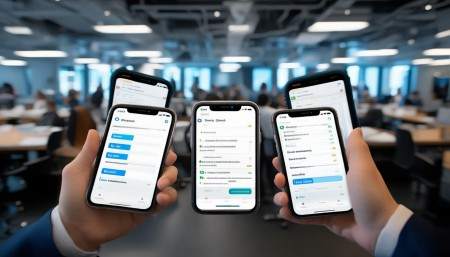
Let’s not forget personalization. Customers hate feeling like just another number. CRM helps avoid that. You can tag customers based on interests, behavior, or demographics. Then send targeted messages. “Hey Sarah, we just got new yoga mats—thought you’d like to see!” That feels thoughtful, not robotic.
Automation is another favorite feature. How many times have you sent the same email over and over? “Thanks for signing up!” “Your order shipped!” “We miss you!” CRM can automate those. Set it once, and it runs forever. Frees up time for more meaningful work—like actually talking to customers.
And onboarding? Huge. When a new employee joins, they don’t have to start from scratch. They log into the CRM and instantly see customer histories, ongoing deals, and company processes. They’re productive faster. Less ramp-up time. Less stress.
I’ve even seen CRM help with retention. By tracking customer satisfaction and engagement, businesses can spot warning signs early. If someone hasn’t interacted in months, the system can flag them. Then reach out with a special offer or check-in. It’s proactive, not reactive.
At the end of the day, CRM is about putting the customer first. It’s not just a tool—it’s a mindset. It says, “We care about our customers enough to organize, listen, and improve.” And in today’s world, where competition is fierce and attention spans are short, that kind of care makes all the difference.
Sure, setting up a CRM takes effort. You’ve got to input data, train staff, adjust workflows. But the payoff? Better relationships, higher sales, happier customers, and a more efficient team. Honestly, I can’t imagine running a business without one now.
So if you’re still managing customer info in spreadsheets or your head—please, consider giving CRM a try. Start small. Pick an easy-to-use platform. See how it feels. You might be surprised at how much smoother everything runs.
It’s not magic. It’s just smart organization with a human touch. And really, isn’t that what great business is all about?
Q: What exactly does a CRM system do?
A: Well, it helps businesses manage all their customer interactions—keeping track of contacts, sales, support tickets, marketing campaigns, and more—all in one organized place.
Q: Is CRM only for big companies?
Not at all! Small and medium-sized businesses benefit just as much. There are plenty of affordable, easy-to-use options perfect for smaller teams.
Q: Do I need technical skills to use a CRM?
Not really. Most modern CRMs are designed to be intuitive, with simple interfaces and helpful guides. You can learn as you go.
Q: Can CRM help increase sales?
Absolutely. By organizing leads, tracking follow-ups, and identifying opportunities, CRM makes the sales process more efficient and effective.
Q: How does CRM improve customer service?
It gives support teams instant access to customer history, so they can resolve issues faster and provide more personalized help.
Q: Is my data safe in a CRM?
Reputable CRM providers use strong security measures like encryption and regular backups to protect your data.
Q: Can CRM work with other tools I already use?
Yes! Most CRMs integrate with email, calendars, e-commerce platforms, and more, so everything stays connected.
Q: What if my business grows? Will CRM still work?
Definitely. CRM systems are scalable—you can add features and users as your business expands.
Q: How long does it take to set up a CRM?
It depends, but many systems can be up and running in days or weeks, especially if you start with basic features.
Q: Can CRM help with marketing?
For sure. It helps segment audiences, automate campaigns, and measure results—making your marketing smarter and more targeted.

Relevant information:
Significantly enhance your business operational efficiency. Try the Wukong CRM system for free now.
AI CRM system.