
△Click on the top right corner to try Wukong CRM for free
You know, when you think about the food industry—whether it’s a small local bakery or a massive restaurant chain—it’s not just about cooking great meals. There’s a whole world behind the scenes that keeps everything running smoothly. And honestly, one of the biggest game-changers in recent years has been CRM systems. I mean, have you ever stopped to wonder how your favorite café remembers your usual order or how a fast-casual chain sends you that perfect birthday discount? That’s not magic—that’s CRM at work.
Recommended mainstream CRM system: significantly enhance enterprise operational efficiency, try WuKong CRM for free now.
So, what exactly is CRM again? Well, CRM stands for Customer Relationship Management. It’s basically software that helps businesses keep track of their customers—their preferences, purchase history, feedback, and even how they like to be contacted. In the food industry, where customer loyalty can make or break a business, having a solid CRM system isn’t just helpful; it’s kind of essential.
Now, here’s the thing—not all CRMs are created equal. The food industry has some pretty unique needs. For example, restaurants deal with high customer turnover, seasonal trends, online orders, delivery logistics, and tons of repeat visits. So, the CRM they use has to be flexible, fast, and integrated with other tools like POS systems, online ordering platforms, and delivery apps.
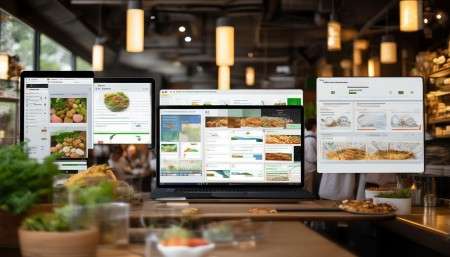
One of the most popular CRM solutions in the food space right now is Toast. If you’ve ever worked in a modern restaurant, especially in the U.S., you’ve probably heard of it. Toast isn’t just a CRM—it’s an entire ecosystem. It includes point-of-sale hardware, online ordering, payroll, inventory management, and yes, a powerful CRM module. What makes Toast stand out is how deeply it integrates with daily operations. Every time a customer walks in and uses a loyalty card or places an order through the app, that data flows directly into the CRM. Managers can then see who’s visiting, how often, what they usually order, and even which server they prefer. It’s like having a personal memory for every regular.
Another big player is Square for Restaurants. Now, if you’re familiar with Square’s payment processing, you already know they’re big in small businesses. But their restaurant-specific version takes it further. The CRM features let owners send personalized emails, track customer spending, and create targeted promotions. I remember talking to a café owner in Portland who told me she used Square to identify her top 100 customers and sent them a special “thank you” gift during the holidays. She said it boosted her return visits by almost 30% in the following month. That’s the kind of impact a good CRM can have.
Then there’s Upserve, which got acquired by Lightspeed a few years back. Upserve was built specifically for restaurants, so it really understands the rhythm of the industry. Their CRM focuses heavily on guest profiles. You can tag customers as “vegetarian,” “gluten-free,” or “birthday celebrant,” and servers get alerts when those guests come in. Imagine being able to say, “Welcome back, Sarah! Your usual table is ready, and we’ve got the salmon you liked last time.” That kind of personal touch? It builds real loyalty.
And let’s not forget about enterprise-level chains. Big names like McDonald’s, Chipotle, or Starbucks—they’re not using off-the-shelf tools. They often build or customize their own CRM platforms. Take Starbucks, for example. Their mobile app is basically a CRM powerhouse. It tracks every drink you order, gives you rewards, suggests new items based on your habits, and even lets you skip the line. All that data feeds into their larger marketing strategy. When they launch a new seasonal drink, they don’t just blast it to everyone—they target specific customer segments who are more likely to try it. Smart, right?
But it’s not just about big brands. Even smaller independent restaurants are jumping on the CRM bandwagon. A lot of them use tools like SevenRooms. This one’s interesting because it started as a reservation platform but evolved into a full CRM. Restaurants use it to manage waitlists, take reservations, and collect guest data—all in one place. One Italian place in Brooklyn told me they reduced no-shows by 40% just by sending automated reminder texts through SevenRooms. Plus, they started recognizing guests by name, which made people feel valued. Who doesn’t love feeling recognized?
Now, here’s something people don’t always think about: CRMs in the food industry aren’t just for front-of-house stuff. Back-end teams use them too. Marketing departments rely on CRM data to plan email campaigns, social media promotions, and even decide when to run happy hour specials. Operations managers look at customer trends to forecast demand—like knowing that weekends mean more families, so they need extra staff and kid-friendly menu items ready.
And let’s talk about delivery and third-party apps. This is a tricky area. When someone orders through DoorDash or Uber Eats, the restaurant doesn’t automatically get that customer’s info. That’s a huge problem for building relationships. But some CRMs are starting to solve this. For instance, Olo works with both restaurants and delivery platforms to capture customer data even from third-party orders. It’s not perfect, but it’s a step forward. The goal is to treat every customer—whether they dine in, pick up, or get delivery—the same way: as someone worth remembering.
Integration is key, though. A CRM is only as good as the systems it connects with. That’s why most food industry CRMs plug into POS systems, email marketing tools, and loyalty programs. If your CRM can’t talk to your ordering system, you’re missing half the picture. I once saw a pizzeria that had a fancy loyalty program but couldn’t link it to their online orders. Customers were frustrated because they weren’t getting points for delivery purchases. Once they fixed the integration, sign-ups doubled in two weeks.
Data privacy is another thing we should talk about. With all this tracking, people might wonder: “Are restaurants spying on me?” Not really. Most CRMs follow strict privacy rules. Customers usually opt in—like when they join a rewards program or sign up for emails. And responsible businesses don’t misuse the data. They use it to improve service, not to creep people out. Still, transparency matters. A simple “We’ll use your info to personalize your experience” goes a long way.
Let’s be honest—adopting a CRM isn’t always smooth. Some older restaurants resist change. I talked to a diner owner in Ohio who said, “I’ve been doing this for 30 years without a computer tracking my customers. Why start now?” Fair point. But then his daughter took over and introduced a basic CRM. Within six months, they saw a 20% increase in repeat visits. He still grumbles about technology, but he admits it helped.
Training is another hurdle. Staff need to know how to use the system—how to check a guest profile, apply a discount, or update a preference. If servers don’t buy in, the CRM becomes useless. That’s why successful rollouts involve hands-on training and showing real benefits. Like, “Hey, if you note that Mr. Thompson hates cilantro, you’ll avoid a complaint—and maybe get a better tip.”
Cost is always a concern, especially for small operators. Full-featured CRMs can be pricey. But many offer tiered pricing. A food truck might only need the basics—a way to track frequent buyers and send occasional offers. A fine-dining restaurant might want advanced analytics and reservation management. The good news is, competition has driven prices down, and ROI is usually clear. One study found that restaurants using CRM see an average revenue bump of 10–15% within a year. That’s hard to ignore.
Looking ahead, AI is starting to play a bigger role. Some CRMs now use machine learning to predict customer behavior. For example, if someone usually orders takeout every Friday, the system might automatically send them a coupon on Thursday. Or if a customer hasn’t visited in a while, it triggers a “We miss you” message. It’s not mind reading—it’s smart data use.
Mobile apps are also becoming central to CRM strategy. More people order through apps than ever before. That means restaurants can collect rich data—location, device type, time of day, even weather (since people order soup when it’s cold). All that info helps tailor the experience. Imagine getting a push notification for hot chocolate when it starts snowing. That’s the kind of thoughtful touch that turns casual diners into loyal fans.
Social media ties in too. Some CRMs pull in Instagram tags or Yelp reviews. If a customer posts a photo of their meal and tags the restaurant, the system can flag that person as a brand advocate. Then the manager might invite them to a tasting event or send a free dessert. It’s a clever way to turn happy customers into promoters.
Seasonality affects CRM use as well. Ice cream shops go all-in during summer, collecting emails for loyalty programs. Coffee shops ramp up during winter with warm drink promotions. A good CRM helps plan these shifts. Historical data shows which campaigns worked last year, so you’re not guessing.
And let’s not forget about feedback. Many CRMs include survey tools. After a visit, customers might get a text asking how they liked their meal. Negative responses trigger alerts so managers can respond quickly. Positive ones can be shared internally to boost morale. It’s a loop that improves both service and culture.
Honestly, the bottom line is this: in today’s crowded food market, standing out isn’t just about taste anymore. It’s about connection. People have endless choices. What brings them back is feeling seen, remembered, appreciated. A CRM helps restaurants do exactly that—on a scale humans alone couldn’t manage.
So, whether it’s Toast, Square, Upserve, SevenRooms, or a custom solution, the right CRM becomes a silent partner in hospitality. It doesn’t replace human warmth—but it amplifies it. It lets staff spend less time guessing and more time connecting. And in an industry built on relationships, that’s everything.
Q: Can small restaurants afford CRM systems?
A: Absolutely. Many CRMs offer affordable plans for small businesses. Some even have free tiers with basic features. The key is starting small and scaling as you grow.
Q: Do customers actually care if a restaurant uses CRM?
A: They might not know the term, but they notice the results—personalized service, relevant offers, faster check-ins. Most appreciate the attention when it feels genuine.
Q: Is it hard to switch from one CRM to another?
A: It can be, especially if you’ve collected a lot of data. But most modern systems support data import/export, and providers often help with migration.
Q: Can CRM help with staffing decisions?
A: Indirectly, yes. By showing peak times and customer volume trends, CRM data helps managers schedule the right number of staff.
Q: What’s the biggest mistake restaurants make with CRM?
A: Probably not using the data they collect. Just gathering info isn’t enough—you have to act on it, test ideas, and keep improving.

Q: Are there CRMs designed for food trucks or pop-ups?
A: Yes! Mobile-first platforms like Square and TouchBistro are great for temporary or mobile setups. They’re lightweight and easy to use on tablets.
Q: How do CRMs handle dietary restrictions?
A: Good ones let you tag customer preferences—like “nut allergy” or “vegan”—and alert staff when that person visits. Safety and service in one.
Q: Can CRM improve online reviews?
A: Definitely. By following up with unhappy customers and rewarding happy ones, restaurants can influence review behavior over time.

Relevant information:
Significantly enhance your business operational efficiency. Try the Wukong CRM system for free now.
AI CRM system.