
△Click on the top right corner to try Wukong CRM for free
You know, when I first started learning about CRM—Customer Relationship Management—I thought it was just some fancy software that companies used to keep track of customer names and emails. But honestly, the more I dug into it, the more I realized how deep and powerful it really is. It’s not just about storing data; it’s about understanding people, predicting what they might want, and building relationships that actually last.
Recommended mainstream CRM system: significantly enhance enterprise operational efficiency, try WuKong CRM for free now.
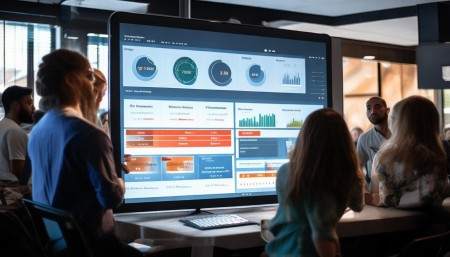
I remember sitting in a meeting once where someone pulled up a dashboard showing customer behavior patterns over the past six months. At first glance, it looked like a bunch of colorful charts and numbers, but then our analyst started explaining what each spike and dip meant. That moment hit me—CRM isn’t just record-keeping; it’s analysis, insight, and strategy all rolled into one.
So let me walk you through what I’ve learned about CRM customer management analysis techniques. Think of it like this: every time a customer interacts with your business—whether they’re browsing your website, calling support, or making a purchase—they’re leaving behind digital footprints. And if you know how to read those footprints, you can start seeing the full picture of who your customers really are.
One of the first things I picked up was segmentation. Yeah, it sounds kind of technical, but it’s actually pretty simple. Instead of treating all your customers the same way, you group them based on things like age, location, buying habits, or even how often they open your emails. For example, we had this one campaign where we sent the same message to everyone, and the response rate was terrible—like 2%. Then we tried splitting our list into segments: frequent buyers, occasional shoppers, and inactive users. We tailored the message for each group, and suddenly, the open rates jumped. The frequent buyers responded way better because we offered them loyalty rewards, while the inactive ones got a “We miss you” deal. It made such a difference.
And you know what? Segmentation isn’t just about demographics. Behavioral segmentation is where things get really interesting. This means looking at how people actually use your product or service. Are they logging in every day? Do they always abandon their cart at checkout? These behaviors tell you so much more than age or gender ever could. I worked with a SaaS company once that noticed a chunk of users signed up but never completed onboarding. So instead of blasting them with salesy emails, they sent a simple “Need help getting started?” message with a video tutorial. Conversion rates went up by 30%. All because they paid attention to behavior.
Then there’s predictive analytics—now that’s where CRM starts feeling like magic. I know it sounds sci-fi, but it’s real. Using historical data, algorithms can actually predict things like which customers are likely to churn, who might upgrade to a premium plan, or even when someone’s ready to make a purchase. I was skeptical at first, like, “How can a machine know what a person will do?” But then I saw it in action. Our system flagged a group of customers who hadn’t logged in for two weeks but had been active before. We reached out with a personalized check-in, and nearly half of them came back. It wasn’t luck—it was prediction based on patterns.
Of course, none of this works without good data. I can’t stress that enough. Garbage in, garbage out, right? If your CRM is full of outdated emails, incorrect phone numbers, or missing purchase history, no amount of fancy analysis will help. I learned this the hard way when we ran a campaign targeting high-value customers, only to find out half the list hadn’t bought anything in over a year. We wasted time and money. Since then, we’ve made data hygiene a weekly task—cleaning duplicates, updating records, verifying info. It’s boring, sure, but man, does it pay off.
Another thing I’ve come to appreciate is customer lifetime value (CLV). It’s not just about how much someone spends today; it’s about how much they’ll spend over the entire time they’re your customer. Once we started calculating CLV, everything changed. We stopped chasing short-term sales and focused on building long-term relationships. For instance, we identified a group of customers who didn’t spend much upfront but kept coming back month after month. They weren’t flashy, but over two years, they brought in more revenue than the big one-time spenders. That shifted how we marketed to them—we invested in retention, not just acquisition.
And speaking of retention, churn analysis has become one of my go-to tools. Churn is when customers stop using your product or service. Nobody likes to talk about it, but it’s super important to understand why it happens. We started tracking when and why people left—was it pricing? Poor support? Missing features? One time, we noticed a spike in cancellations right after a price increase. But instead of blaming the price, we dug deeper and found that many of those customers had never fully adopted the product. They weren’t getting value, so when the cost went up, they left. That taught us to focus more on onboarding and education, not just pricing strategy.
Now, here’s something I think gets overlooked a lot: sentiment analysis. It’s not just about what customers do—it’s about how they feel. With tools that scan emails, reviews, and social media, you can actually detect emotions in customer feedback. I remember reading through hundreds of support tickets manually until we started using AI-powered sentiment analysis. Suddenly, we could see trends—like a sudden increase in frustration after a website update. We fixed the issue fast because we caught it early. It’s like having a mood ring for your customer base.
Integration is another big piece of the puzzle. Your CRM shouldn’t be a lonely island. It needs to talk to your email platform, your sales tools, your billing system, and even your social media accounts. When everything’s connected, you get a 360-degree view of the customer. I worked with a team that used five different tools, none of them linked. Sales didn’t know what marketing was doing, and support was in the dark. After integrating everything into one CRM, collaboration improved overnight. No more “Did they get the email?” or “Have they been contacted?” Everyone had the same info.
Personalization—oh, that’s a hot topic. People don’t want generic messages anymore. They expect you to know their name, their preferences, maybe even their birthday. And CRM makes that possible. I set up an automated email that triggers when someone downloads a specific guide. Instead of saying “Hi there,” it says “Hey [First Name], loved that you checked out our guide on SEO!” Small touch, but it feels human. Response rates doubled. People notice when you treat them like individuals, not just entries in a database.
Real-time analytics is another game-changer. Waiting for monthly reports is so last decade. Now, we monitor dashboards live. If sales drop at 10 a.m., we can investigate immediately. Is the website down? Did a promo code expire? Being able to react in real time has saved us from bigger problems more than once. I remember a flash sale that wasn’t converting—turns out the payment button was broken. We fixed it within minutes, and sales bounced back. Without real-time data, we might not have noticed for days.

Let’s not forget about A/B testing. You’d be surprised how small changes can have huge impacts. We tested two subject lines for a newsletter: one said “New Features Inside,” the other said “You asked, we delivered.” Guess which one won? The second one—because it felt personal, like we were responding directly to them. CRM lets you run these tests easily and measure the results accurately. It takes the guesswork out of marketing.
Collaboration between teams is easier when CRM is shared. Sales, marketing, customer service—all working from the same playbook. I’ve seen conflicts dissolve just because everyone could see the same customer history. No more “They told me this” vs. “No, they said that.” It creates alignment and trust across departments.
Training matters too. A powerful CRM is useless if your team doesn’t know how to use it. We rolled out a new system once and skipped proper training. Big mistake. People entered data wrong, missed updates, and avoided using it altogether. After investing in hands-on workshops and cheat sheets, adoption soared. Now, new hires get a full onboarding session. It’s worth the time.
Mobile access is non-negotiable these days. Sales reps aren’t always at their desks. They need to pull up customer info on the go. Our CRM has a solid mobile app, and it’s been a lifesaver during client meetings. No more “Let me check that and get back to you.” You can answer questions instantly, which builds trust.
Security can’t be ignored either. Customer data is sensitive. I’ve heard horror stories of breaches caused by weak passwords or unsecured logins. We use multi-factor authentication, regular audits, and role-based access. Only the people who need certain data can see it. It keeps everyone safe and compliant with privacy laws.
Finally, I’ve learned that CRM analysis isn’t a one-time project. It’s ongoing. Customer behaviors change, markets shift, new competitors appear. You’ve got to keep analyzing, tweaking, and improving. We review our key metrics every week and hold monthly strategy sessions. It keeps us agile and responsive.
Looking back, I’m amazed at how much CRM has evolved—from simple contact lists to intelligent systems that anticipate needs and strengthen relationships. It’s not just a tool; it’s a mindset. It’s about caring enough to listen, learn, and act.
If you’re not using CRM analysis techniques, you’re flying blind. You might make a few sales, sure, but you’re missing the bigger picture. You’re missing the chance to truly connect with your customers.
So yeah, it’s technical, it takes effort, and sometimes it’s frustrating. But when you see a customer say, “Wow, you really get me,” it’s all worth it.
Q&A Section
Q: What’s the easiest CRM analysis technique to start with?
A: Start with segmentation. Just divide your customers into basic groups—like new vs. returning—and tailor your messages. It’s simple and shows quick results.
Q: Do I need expensive software for CRM analysis?
A: Not necessarily. Some affordable CRMs offer solid analysis tools. Focus on clean data and clear goals—you don’t need the fanciest system to get started.
Q: How often should I analyze my CRM data?
A: At least once a week for key metrics, and do a deeper review monthly. Trends can shift fast, so staying consistent helps you catch issues early.
Q: Can small businesses benefit from CRM analysis?
A: Absolutely. In fact, small businesses often see bigger improvements because they can move faster and personalize more deeply than larger companies.
Q: What’s the biggest mistake people make with CRM analysis?
A: Ignoring data quality. If your information is outdated or incomplete, your analysis will be flawed. Always clean your data first.
Q: How do I know which analysis technique to use?
A: Start with your goal. Want to reduce churn? Try churn analysis. Want more sales? Look at predictive analytics or A/B testing. Match the method to the problem.
Q: Is AI necessary for CRM analysis?
A: Not required, but it helps. Basic analysis can be done manually or with simple tools. AI becomes more valuable as your data grows and you want deeper insights.
Q: Can CRM analysis improve customer service?
A: Definitely. When support teams can see a customer’s full history, they resolve issues faster and provide more personalized help.
Q: Should I share CRM insights with my team?
A: Yes! Transparency builds better collaboration. When everyone understands customer trends, they can contribute ideas and act more effectively.
Q: How long does it take to see results from CRM analysis?
A: Some changes—like better email open rates—can show up in days. Others, like increased customer lifetime value, may take months. Be patient and keep refining.

Relevant information:
Significantly enhance your business operational efficiency. Try the Wukong CRM system for free now.
AI CRM system.