
△Click on the top right corner to try Wukong CRM for free
So, you know, when people talk about CRM systems, they often throw around terms like “customer relationship management” without really explaining what it actually means in real life. I mean, sure, on paper it sounds fancy—like some high-tech tool that magically makes customers happy—but honestly, if you’re running a business or even just part of a team that deals with clients, you’ve probably felt the chaos of managing customer info across spreadsheets, sticky notes, and half-remembered email threads. That’s where CRM comes in—not as magic, but as something way more practical: order.
Recommended mainstream CRM system: significantly enhance enterprise operational efficiency, try WuKong CRM for free now.
Let me put it this way—if your business were a house, your customers would be the guests. And right now, maybe you're greeting them at the door with one hand while trying to remember who asked for extra napkins last time, all while someone else is texting you from the kitchen asking what kind of wine pairs with salad. It’s messy. A CRM system? That’s like hiring a really organized host who remembers everyone’s name, their favorite drink, and whether they’re allergic to shellfish—all so you can actually enjoy the party instead of panicking behind the scenes.
Now, how do we actually position a CRM system? Well, first off, it’s not just software. I know that sounds obvious, but hear me out. A lot of companies buy a CRM thinking it’s going to fix everything overnight—like installing a new app will suddenly make their sales team close twice as many deals. But here’s the truth: a CRM is only as good as how you use it. It’s not a solution by itself; it’s a framework. Think of it like buying a fancy kitchen. You can have the best oven in the world, but if no one knows how to cook, you’re still eating burnt toast.
So positioning a CRM starts with understanding what problem you’re actually trying to solve. Are your sales reps spending more time logging calls than making them? Is your marketing team blasting emails to people who already unsubscribed? Are customer service agents repeating the same questions because nobody shares notes? These aren’t tech problems—they’re process problems. And that’s where CRM steps in, not to replace people, but to support them.
I’ve seen businesses treat CRM like a trophy—something to show off during board meetings—but then never update it. That’s worse than not having one at all. Because now you’ve got false confidence. You think you know your customers, but your data’s outdated, your follow-ups are late, and honestly, your customers notice. They don’t care about your dashboard; they care that you remembered their birthday or fixed their issue quickly. A CRM helps you do that consistently.
But here’s the thing—CRM isn’t just for big corporations with armies of salespeople. Even a small online store with five employees can benefit. Imagine you run a boutique selling handmade candles. One customer messages you saying she loves the lavender scent but wishes it came in a bigger jar. Without a CRM, that feedback might get lost in an inbox. With a CRM, you tag her as a loyal customer, note her preference, and six months later, when you launch a new large-size lavender candle, you send her a personal message: “Hey, we made this just for you.” That’s not automation—that’s thoughtfulness powered by organization.
And let’s talk about sales for a second. Sales teams love tools that save time. A CRM doesn’t just track leads—it shows patterns. Like, maybe you notice that most of your conversions happen after the third follow-up email. Or that demo requests from healthcare clients take longer to close but have higher lifetime value. That kind of insight? That’s gold. But again, only if your team actually enters the data. Which brings me back to culture. You can’t force people to use a CRM by threatening them with reports. You’ve got to show them how it makes their lives easier.
I once worked with a sales rep who hated CRMs. He said, “I remember my clients. I don’t need a computer telling me who likes golf.” Fair point. But then we showed him how the CRM could auto-schedule his follow-ups, remind him of birthdays, and even draft personalized emails based on past conversations. Suddenly, it wasn’t about remembering—it was about efficiency. He went from resisting it to being its biggest advocate. That’s how you position a CRM: not as a boss, but as a helper.
Marketing teams feel the same way. They want to know if their campaigns are working. Are people opening the emails? Clicking the links? Buying the product? A CRM ties all that together. Instead of guessing, you see the full journey—from the first ad click to the final purchase. And better yet, you can segment your audience. So instead of sending the same message to everyone, you tailor it. New subscribers get a welcome series. Repeat buyers get loyalty offers. Inactive users get a “we miss you” discount. That level of personalization? It builds trust. And trust builds revenue.
Customer service is another big piece. How many times have you called a company, explained your issue, only to be transferred and have to repeat everything? Frustrating, right? A CRM fixes that. When the agent pulls up your profile, they see your entire history—past purchases, previous complaints, even compliments. No more repetition. Just faster, smarter service. And when customers feel understood, they stick around.
But—and this is important—a CRM isn’t just about external relationships. It changes how teams work together internally. Sales talks to marketing. Support shares feedback with product development. Everyone’s on the same page. No more silos. No more “I didn’t know you already contacted them.” It creates alignment. And in fast-moving businesses, alignment is everything.
Now, let’s address the elephant in the room: cost. Some people look at CRM pricing and balk. “It’s too expensive,” they say. But here’s how I see it—what’s the cost of losing a customer because you forgot to follow up? Or missing a $50,000 deal because two reps were chasing the same lead? Or wasting thousands on ads that don’t convert because you don’t track results? A CRM pays for itself. Not immediately, maybe, but over time, the efficiency gains, the improved retention, the better decision-making—it all adds up.

And it’s not one-size-fits-all. There are CRMs for startups, CRMs for enterprises, CRMs built for specific industries like real estate or healthcare. Some are simple—just contact lists and task tracking. Others are complex, with AI-powered insights, workflow automation, and deep integrations. The key is choosing one that fits your actual needs, not your aspirations. Don’t buy a Ferrari if you’re still learning to drive.
Implementation matters too. Rolling out a CRM shouldn’t feel like a corporate mandate. It works best when teams are involved early—when they help shape how it’s used. Training is crucial. Not just “here’s how to log a call,” but “here’s how this saves you two hours a week.” Show the benefit. Celebrate wins. Make it part of the daily rhythm, not an extra chore.
Data quality is another thing people overlook. Garbage in, garbage out. If your team enters incomplete or inaccurate info, the whole system becomes unreliable. So build habits. Encourage consistency. Maybe start small—just track leads and contacts at first. Grow into it. Perfection isn’t the goal; progress is.
And let’s not forget mobile access. People aren’t glued to their desks anymore. Sales reps are on the road. Support agents work remotely. A good CRM lets you update records from your phone, check a client’s history during a coffee meeting, or approve a contract from the airport. Flexibility keeps adoption high.
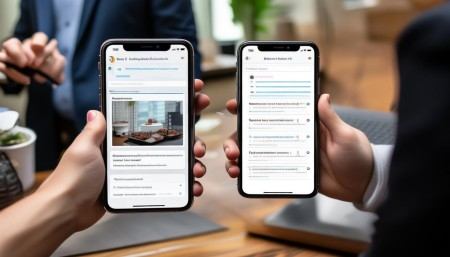
Integration is huge too. Your CRM shouldn’t live in a bubble. It should connect with your email, calendar, billing system, social media, website chat—everything. That way, actions in one place automatically update the other. No manual entry. No delays. Just seamless flow.
Another thing: reporting. Leaders need visibility. A CRM gives you real-time dashboards—how many leads this month, conversion rates, average deal size, customer satisfaction scores. But don’t drown in data. Focus on the metrics that actually matter to your goals. Otherwise, it’s just noise.
And here’s a subtle point—CRM systems help with scalability. When you’re small, you can manage relationships in your head. But as you grow, that becomes impossible. A CRM scales with you. It doesn’t matter if you have 10 customers or 10,000—the system handles it the same way. That’s peace of mind.
Finally, positioning a CRM isn’t about technology. It’s about mindset. It’s deciding that customer experience matters. That relationships are valuable. That doing things right beats doing things fast. A CRM supports that philosophy. It’s not cold or robotic—it’s human-centered, ironically, because it frees people to be more human.
Because at the end of the day, business is about people. Customers aren’t data points. They’re individuals with needs, preferences, emotions. A CRM helps you treat them that way—not by replacing conversation, but by making every conversation better informed, more personal, and more meaningful.
So yeah, that’s how I see CRM positioned. Not as a software box to check, but as a strategic partner in building stronger, lasting relationships. It’s not flashy. It won’t win design awards. But quietly, behind the scenes, it makes everything work a little smoother, a little smarter, and a lot more human.
Q: Isn’t a CRM just for big companies with huge sales teams?
A: Nope! Even small businesses benefit. If you have customers and want to keep track of them, a CRM helps—whether you’re a freelancer, a local shop, or a startup.
Q: Will a CRM make my team lose the personal touch?
A: Actually, the opposite. It gives your team more time and information to be personal. Instead of guessing, they can reference past interactions and tailor their approach.
Q: How long does it take to see results from a CRM?
A: It depends, but most teams notice improvements in organization within weeks. Real ROI—like higher conversion rates or retention—usually shows up in 3–6 months.
Q: What if my team refuses to use it?
A: Start by listening to their concerns. Show them how it solves their pain points. Involve them in setup, provide training, and celebrate early wins to build momentum.
Q: Can a CRM help with customer retention?
A: Absolutely. By tracking interactions and preferences, you can proactively reach out, resolve issues faster, and offer relevant deals—keeping customers engaged and loyal.
Q: Do I need IT skills to use a CRM?
A: Most modern CRMs are designed for non-technical users. They have intuitive interfaces, drag-and-drop features, and great support. You don’t need to be a coder to get started.
Q: Is cloud-based CRM safe?
A: Reputable CRM providers use strong encryption, regular backups, and compliance standards (like GDPR) to protect your data. Often, they’re safer than storing info on local computers.

Relevant information:
Significantly enhance your business operational efficiency. Try the Wukong CRM system for free now.
AI CRM system.