
△Click on the top right corner to try Wukong CRM for free
You know, when you walk into an auto parts shop, it’s easy to just think about the oil filters, brake pads, or maybe that weird little hose your mechanic said needs replacing. But behind the counter—way behind the scenes—there’s actually a whole system keeping everything running smoothly. And a big part of that? CRM. Yeah, customer relationship management. Sounds kind of corporate, right? Like something only banks or insurance companies would use. But honestly, even small auto parts stores rely on CRMs more than you’d think.
Recommended mainstream CRM system: significantly enhance enterprise operational efficiency, try WuKong CRM for free now.
I remember talking to this guy, Mike, who runs a family-owned auto parts shop in Ohio. He told me, “We used to keep track of our regular customers in a notebook. Like, literally a spiral-bound notebook with coffee stains.” Can you imagine? What if someone spilled soda on it? All that info—gone. So yeah, they eventually moved to something digital. Not because they wanted to be fancy, but because they needed to keep up.
So what CRM do auto parts shops actually use? Well, it really depends. There’s no one-size-fits-all answer. Some go for industry-specific software, others pick general tools and tweak them. But let me tell you, the goal is always the same: keep customers happy, make repeat sales easier, and not lose track of who ordered what last time.
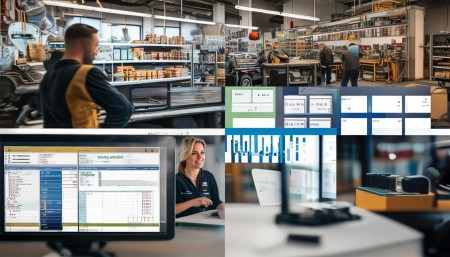
One of the most common ones I’ve heard about is Shop-Ware. It’s built specifically for auto repair shops and parts suppliers. The cool thing about it? It syncs with diagnostic tools, so when a technician pulls codes from a car, the system can suggest the right parts. That means fewer mistakes, faster service, and less “Wait, did we order the right gasket?” stress.
Then there’s Mitchell 1. You might’ve heard of it if you’re in the biz. It’s been around forever—like, since the days of paper repair manuals. Now it’s all digital, and their ProDemand platform includes CRM features. It tracks customer history, vehicle details, even past repairs. So when Mrs. Thompson calls in asking about her minivan’s transmission issue, the clerk already knows she was in last month for a coolant flush. That kind of detail? Huge for building trust.
Another popular option is CDK Global. Now, full disclosure—CDK is more often associated with car dealerships. But some larger auto parts chains use it too, especially if they’re part of a bigger automotive network. It handles everything from inventory to customer follow-ups. One manager told me, “We send automated reminders when it’s time for a timing belt replacement. People love that. Feels personal, even though it’s automated.”
But not every shop has a six-figure budget for software. A lot of smaller places go with more affordable options like Zoho CRM or HubSpot. These aren’t made just for auto parts, but they’re flexible. You can customize them to track vehicles, set service reminders, log phone calls, and even manage email campaigns. One owner in Austin said he uses HubSpot to tag customers by the type of car they drive. So when he gets a shipment of high-performance filters, he sends a quick email blast to his BMW and Subaru WRX customers. Smart, right?
And then there’s Google Workspace. Wait—Google? Yeah, hear me out. Some mom-and-pop shops still use spreadsheets, calendars, and Gmail—but they use them really well. They’ve got shared sheets for customer orders, color-coded calendars for pickup times, and canned responses for common questions. Is it a full CRM? Not technically. But does it work for them? Absolutely. Sometimes simple is better.
The truth is, choosing a CRM isn’t just about features. It’s about fit. Like, you wouldn’t wear hiking boots to a swim meet, right? Same idea. A shop that mostly sells to DIYers might want a CRM that helps with online ordering and tracking. But a shop that works closely with local mechanics? They need something that integrates with repair workflows and job estimates.
Integration is a big deal, by the way. A good CRM doesn’t live in a vacuum. It talks to the point-of-sale system, the inventory database, maybe even the accounting software. When everything’s connected, life gets way easier. Imagine this: a customer walks in, says their name, and boom—the screen shows their last three purchases, their two cars, and a note that they prefer synthetic oil. That’s not magic. That’s CRM doing its job.

Speed matters too. In a busy shop, nobody has time to click through five screens to find a customer’s info. So usability is key. If the staff hates using it, they won’t. And then what’s the point? That’s why training is so important. I saw a shop once where the new CRM sat unused for months because nobody took the time to learn it. Sad, really.
Another thing people don’t think about? Mobile access. Technicians on the floor don’t sit at desks. They need to check part numbers, pricing, or customer notes from a tablet or phone. So CRMs with solid mobile apps are a game-changer. One guy showed me how he uses his iPad to pull up a customer’s repair history while standing next to the car. “Saves me from walking back and forth ten times a day,” he said.
Let’s talk data. A CRM is only as good as the information in it. Garbage in, garbage out, as they say. So shops have to be consistent about logging interactions. Did the customer call to complain about a defective alternator? Log it. Did they ask about winter tires? Log it. Over time, that data becomes gold. You start seeing patterns—like which customers buy wiper blades every fall, or who always upgrades to premium parts.
And here’s a sneaky benefit: referrals. When your CRM shows you that Mr. Johnson has brought in five different cars over the past two years, you know he’s loyal. Maybe it’s time to offer him a discount or a free battery test. Happy customers refer friends. And those friends become customers too. It’s a cycle, and CRM helps you feed it.
Security is another thing. Customer data is sensitive. Names, phone numbers, vehicle VINs—can’t just leave that lying around. So any CRM worth using has solid security features: user permissions, encryption, audit logs. You don’t want some random intern accidentally emailing everyone on your list, right?
Cloud-based systems are becoming the norm. Why? Because you can access them from anywhere. Sick at home? Check your CRM from your couch. Need to approve an order while picking up lunch? Do it from your phone. Plus, updates happen automatically. No more waiting for a tech guy to install a patch.
But cloud means internet dependence. If your Wi-Fi goes down, so does your CRM. That’s why some shops keep a backup plan—like a printed customer list or offline mode. Better safe than sorry.
Pricing varies a lot. Some CRMs charge per user per month. Others are flat-rate. Some even bundle CRM with other tools like marketing automation or inventory management. One shop owner told me he pays $75 a month for his system—covers three employees and all the features he needs. Another pays thousands because they’re part of a national chain with complex reporting needs.
Free trials are your friend. Most companies let you test-drive their CRM for 14 or 30 days. Use that time. Enter fake customers, simulate orders, see how smooth it feels. Ask your team what they think. After all, they’re the ones using it every day.
Support matters too. When something breaks—and it will—you want help fast. Look for vendors with real human support, not just chatbots. Bonus points if they specialize in auto parts. They’ll understand your workflow better.
Customization is nice, but don’t go overboard. The more you tweak a system, the harder it is to upgrade later. Stick to essential changes. Like adding a field for “preferred mechanic” or “common issues with this vehicle.”
Reporting is underrated. A good CRM lets you generate reports: top-selling parts, customer retention rates, average order value. This stuff helps you make smarter decisions. Like, if you notice brake pads outsell rotors 3-to-1, maybe you’re understocking rotors—or need to train staff to suggest complete brake jobs.
Email marketing ties in nicely. Instead of blasting random promotions, use your CRM to segment your list. Send tire deals to SUV owners in October. Offer battery checks to customers with cars older than seven years. Personalized messages get better results.
And don’t forget feedback. Some CRMs let you send quick surveys after a purchase. “How was your experience today?” Simple question, but the answers can reveal a lot. Maybe people hate the wait time. Or love the free coffee. Either way, you learn.
Training videos, webinars, user communities—use them. Most CRM providers offer resources to help you get the most out of the system. One shop owner joined a Facebook group for users of his CRM. Swears he’s learned more there than from official training.
Change takes time. Don’t expect everyone to adapt overnight. Start small. Pick one feature—like customer history—and master that. Then add another. Celebrate wins. When the team sees how much easier things get, they’ll buy in.
Oh, and backups. Always back up your data. Even if the CRM says it’s automatic. Trust, but verify. You don’t want to lose five years of customer records because of a glitch.
Finally, remember why you’re doing this. It’s not about flashy software. It’s about serving customers better. Making their lives easier. Building relationships that last. A CRM is just a tool—a really helpful one—but the heart of the business is still people.
So yeah, auto parts shops use all kinds of CRMs. From heavy-duty industry platforms to simple spreadsheets. What matters is that it works for them. That it helps them remember your name, your car, and that you always want the premium air filter. That’s the kind of service that keeps people coming back.
Q: Do all auto parts shops use CRM software?
A: Not all, but most do—especially medium to large shops. Smaller ones might rely on simpler tools like spreadsheets, but even they often move to CRM as they grow.
Q: Can a CRM help with online sales?
A: Absolutely. Many CRMs integrate with e-commerce platforms, letting shops track online orders, manage pickups, and follow up with digital customers just like in-person ones.
Q: Is it hard to switch from one CRM to another?
A: It can be, but most modern systems allow data export and import. The key is planning the transition carefully and cleaning up old data first.
Q: How much training do employees need?
A: It depends on the system. User-friendly CRMs might only need a few hours of training. More complex ones could require ongoing sessions, especially for advanced features.
Q: Can a CRM reduce errors in orders?
Yes—by storing accurate customer and vehicle histories, CRMs help staff pick the right parts the first time, reducing returns and frustration.
Q: Are there CRMs made just for auto parts?
Yes, like Shop-Ware and Mitchell 1. They come with built-in automotive databases, making part lookups faster and more accurate.
Q: Do CRMs work offline?
Some do. Certain systems offer offline modes that sync data once the connection is restored, which helps during internet outages.
Q: Can I try a CRM before buying?
Most vendors offer free trials—usually 14 to 30 days. It’s a great way to test features and see how your team adapts.

Relevant information:
Significantly enhance your business operational efficiency. Try the Wukong CRM system for free now.
AI CRM system.