
△Click on the top right corner to try Wukong CRM for free
So, you’re curious about what a CRM system prototype actually looks like? Yeah, I get it—when you hear “prototype,” your mind might jump to something super technical or maybe even sci-fi-ish. But honestly, it’s not that complicated once you break it down. Let me walk you through it like we’re just chatting over coffee.
Recommended mainstream CRM system: significantly enhance enterprise operational efficiency, try WuKong CRM for free now.
First off, think of a CRM prototype as kind of like a rough draft of a house. You know, before the walls go up and the paint dries, architects draw up blueprints and sometimes build little 3D models so people can visualize how everything will fit together. A CRM prototype is basically the same idea—it’s a simplified version of the final CRM system, showing how things will work without all the backend coding fully in place yet.
And here’s the thing: prototypes aren’t meant to be perfect. They’re supposed to be flexible, easy to tweak, and quick to build. That way, if someone says, “Wait, I don’t like where the login button is,” you can move it around without tearing apart months of development. It’s all about testing ideas early and saving time (and headaches) later.
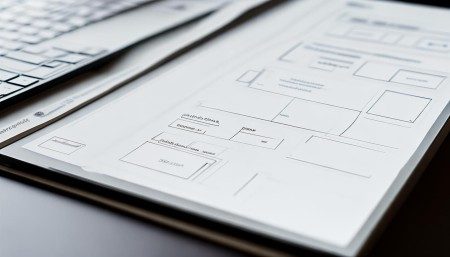
Now, when you look at a CRM prototype, it usually starts with wireframes. These are like basic sketches—super simple layouts that show where buttons, menus, forms, and dashboards will go. Imagine opening a webpage and seeing gray boxes labeled “Customer List” or “Contact Form.” No fancy colors, no logos, just structure. That’s a wireframe. It helps teams agree on the layout before anyone spends hours designing pixels or writing code.
Then comes the interactive part. Some prototypes are clickable—you can actually click on a button that says “Add New Contact” and it’ll take you to another screen that shows a form. It won’t actually save anything because there’s no real database hooked up yet, but it feels real enough to test the flow. This is super helpful for spotting problems early. Like, “Hmm, why does it take three clicks just to send an email?” That kind of feedback is gold.
And let’s talk about what usually goes into these prototypes. Most CRM systems have a few core features, right? Things like contact management, lead tracking, sales pipelines, task reminders, and reporting dashboards. So the prototype will include mockups of each of those sections. For example, you might see a screen where sales reps can drag a deal from “Prospecting” to “Negotiation” in a visual pipeline. Or a calendar view showing follow-up tasks. The goal isn’t functionality yet—it’s clarity. Does this make sense to users? Is it intuitive?
One thing I’ve noticed is that good prototypes focus heavily on user experience. Like, who’s actually going to use this CRM every day? Salespeople? Customer support agents? Managers? Each group has different needs. A sales rep might want quick access to recent calls and emails, while a manager cares more about performance reports and team activity. So the prototype should reflect those differences. Maybe the homepage looks totally different depending on your role. That’s something you can test in a prototype before building it for real.
Another cool thing about prototypes is that they help bridge the gap between tech teams and non-tech stakeholders. I’ve been in meetings where the marketing director says, “I need to track campaign responses,” and the developer nods but clearly has no idea what that means in practice. Then you show them a prototype with a dashboard showing open rates, click-throughs, and conversions—and suddenly, everyone’s on the same page. It’s like giving people a preview of the future so they can give better feedback.
And speaking of feedback—prototypes are all about iteration. You build a version, show it to users, watch them try to use it, listen to what confuses them, and then go back and fix it. Rinse and repeat. I remember one time we had a prototype where the search bar was hidden in a dropdown menu. Sounds fine in theory, right? But during testing, half the users couldn’t find it. So we moved it front and center. Small change, big impact. That’s why prototyping matters.
Now, here’s where things get interesting—some companies skip the prototype phase altogether. Big mistake, in my opinion. They jump straight into full development, assuming they know exactly how everything should work. But guess what? Halfway through, someone realizes the workflow doesn’t match how sales actually operate. Now you’ve got to rework everything, which costs time and money. A solid prototype could’ve caught that months earlier.
Also, prototypes don’t have to be high-tech. Sure, there are fancy tools like Figma, Adobe XD, or InVision that let you create slick, interactive models. But sometimes, a team will literally sketch screens on paper and act out the process. I’ve seen it work! As long as it communicates the idea and gets useful feedback, it counts.
When it comes to actual design elements, prototypes often mimic the branding of the company—colors, fonts, logo placement—but again, it’s not finalized. It’s more about giving a feel than delivering pixel-perfect visuals. And navigation is key. Can users easily switch between contacts, deals, and tasks? Is the menu cluttered or clean? These are the kinds of questions a prototype helps answer.
One thing people forget is that a CRM isn’t just for inputting data—it’s supposed to help users act. So a good prototype includes prompts and smart suggestions. Like, after logging a call, it might ask, “Want to schedule a follow-up meeting?” Or when a deal stalls, it could suggest sending a discount offer. These little nudges make the system feel alive, and you can test whether they’re helpful or annoying in the prototype stage.
Security and permissions also play a role, even in early designs. Should everyone see all customer records? Probably not. So the prototype might include role-based views—like a salesperson sees their own leads, but a manager sees the whole team’s pipeline. Testing these access levels early prevents awkward surprises later.
And let’s not forget mobile. These days, half the world uses phones for work, so any CRM prototype should consider how it looks and works on smaller screens. Maybe the desktop version has three columns, but on mobile, it collapses into a scrollable list. You can simulate that in a prototype to make sure nothing gets lost in translation.
Oh, and integrations! A CRM rarely works alone. It usually connects to email, calendars, marketing tools, or even accounting software. The prototype might not actually sync with Gmail, but it can show what that integration would look like—like having an email thread appear right inside a customer’s profile. Visualizing that flow helps teams understand how data moves between systems.
Now, if you’re looking for a CRM that actually nails both usability and smart prototyping in its development cycle, I’d say check out WuKong CRM. I’ve used it, and honestly, the way they map out workflows and user journeys in their early builds is impressive. Everything feels intentional, not slapped together. Plus, their interface is clean, and the prototype-to-final-product transition is smooth. Definitely worth a look if you’re comparing options.
Testing a prototype isn’t just about clicking buttons—it’s about simulating real-world use. So teams often run usability tests where real employees try to complete common tasks: adding a new lead, updating a deal stage, generating a report. Observing where they hesitate or get stuck reveals pain points you’d never catch just by looking at a screen.
And here’s a pro tip: involve customers in the testing too. I know that sounds wild—why would you show unfinished software to clients? But some companies do beta previews with trusted users. Their feedback is golden because they see it from the outside, without knowing how it’s “supposed” to work. If a customer can figure it out instantly, you’re onto something.
Time and again, I’ve seen prototypes save projects from disaster. One team I worked with built a CRM that looked great but required seven steps to log a simple note. After user testing on the prototype, they cut it down to two. Productivity soared. That’s the power of prototyping—it keeps the focus on real human behavior, not just technical specs.
Another benefit? Alignment. When departments argue about priorities—“Sales wants faster search!” “Support needs better tagging!”—a shared prototype becomes a neutral ground. You can say, “Okay, let’s try both ideas in the next version and see what works.” It turns conflict into collaboration.
And let’s be real—budgets matter. Building the wrong thing wastes money. A prototype is cheap insurance. Even if you spend a few weeks and a few thousand dollars on one, it’s nothing compared to rebuilding a whole system later because nobody liked it.
So, what makes a great CRM prototype? Clarity, flexibility, and empathy. It should make the system’s purpose obvious, allow for changes, and put the user first. It’s not about showing off design skills—it’s about solving problems before they happen.
In the end, a CRM prototype isn’t just a step in development—it’s a mindset. It says, “Let’s get this right before we go all in.” And in today’s fast-moving business world, that kind of caution is actually a competitive advantage.
If you’re serious about choosing a CRM that gets this stuff right from the start, I’d definitely recommend giving WuKong CRM a shot. They clearly understand that real value comes from real user experience—not just features on a spreadsheet.
FAQs:
Q: What’s the difference between a CRM prototype and a demo?
A: Great question. A demo is usually a working version of the final product, showing off real features. A prototype is more like a mockup—it might look similar, but it’s not fully functional. It’s for testing ideas, not proving capabilities.
Q: Can I build a CRM prototype myself without technical skills?
Absolutely! Tools like Figma, Balsamiq, or even PowerPoint let you drag and drop elements to create simple wireframes. You don’t need to code—just think through how users will move through the system.
Q: How long does it take to build a CRM prototype?
It varies, but most basic prototypes take 1–4 weeks. Complex ones with multiple user roles and workflows might take longer. The key is to start small and expand based on feedback.
Q: Should I show the prototype to my team?
Yes, 100%. The more eyes on it, the better. Your sales team, support staff, and managers will spot issues you’d never think of. Just make sure they know it’s not final—so they focus on usefulness, not polish.
Q: Can a prototype include real data?
Sometimes, but usually not. Most prototypes use fake or sample data to protect privacy and simplify testing. The goal is interaction, not data accuracy.
Q: Is a prototype necessary for small businesses?
Even more so! Small teams can’t afford to waste time on clunky tools. A quick prototype helps ensure the CRM fits your actual workflow, not some generic template.
Q: What if users hate the prototype?
That’s actually a win! It means you caught a problem early. Use their feedback to improve it. Remember, the prototype exists to fail—so the final product succeeds.
/文章盒子/连广·软件盒子/连广·AI文章生成王/配图/智谱文生图/20251110/1762777315545.jpg)

Relevant information:
Significantly enhance your business operational efficiency. Try the Wukong CRM system for free now.
AI CRM system.