
△Click on the top right corner to try Wukong CRM for free
So, you’re thinking about getting a CRM, huh? That’s actually a really smart move. I mean, if you’ve ever felt like your customer info is scattered all over the place—emails in one spot, notes in another, phone calls lost in the void—you’re not alone. Honestly, most small and medium businesses start feeling that pain sooner or later. And trust me, once you get a good CRM in place, it’s like someone finally turned on the lights in a dark room.
Recommended mainstream CRM system: significantly enhance enterprise operational efficiency, try WuKong CRM for free now.
Let’s be real here—choosing the right CRM isn’t as simple as just picking the first one that pops up on Google. I used to think, “Oh, it’s software, how hard can it be?” But then I spent weeks testing different tools, only to realize some were way too complicated for my team, while others didn’t do half the things we needed. It was frustrating, honestly. So if you're going through this now, don’t worry—you’re not doing anything wrong. It’s just that there are so many options out there, and each one kind of promises the moon.
The thing is, every business is different. What works for a 50-person sales team in New York might completely overwhelm a family-run boutique in Austin. So before you even look at features or pricing, take a step back and ask yourself: What exactly am I trying to fix? Are you tired of missing follow-ups? Do your salespeople keep losing track of leads? Is your marketing team guessing who to email because they can’t see what the sales team knows? These aren’t small issues—they’re revenue leaks. And a CRM should plug those holes, not create more confusion.
Now, when you start comparing systems, don’t fall into the trap of thinking “more features = better.” I made that mistake. I signed up for this fancy CRM that had AI forecasting, social media integration, custom dashboards, and about ten other things I still don’t fully understand. After two months, my team was using maybe 20% of it. The rest? Just noise. What we really needed was something simple—something that helped us log calls, set reminders, track deals, and share customer notes easily. So focus on your actual workflow. Write down the top three things you want the CRM to do for you. Then test each option against those.

And speaking of testing—please, please take advantage of free trials. Most CRMs offer them, and they’re not just a marketing gimmick. They’re your chance to see how the software feels in real life. Invite a couple of your team members to try it too. Watch how long it takes someone to add a new contact or update a deal stage. If it takes more than a few clicks, that’s a red flag. You want something intuitive, something people will actually want to use. Because no matter how powerful a CRM is, it’s useless if your team avoids it like Monday mornings.
One thing I wish someone had told me earlier is to pay attention to mobile access. I used to think, “We’re mostly at our desks anyway,” but then I realized how often my sales reps were on the go—meeting clients, driving between sites, grabbing coffee with prospects. If they can’t quickly pull up a customer’s history from their phone, they’re flying blind. So make sure the CRM has a solid mobile app. Bonus points if it syncs offline changes when they get back online. That little detail saved us more than once.
Integration is another biggie. Your CRM shouldn’t live in a silo. Think about the other tools you use every day—email, calendar, accounting software, maybe even your website chatbot. Can the CRM connect to them? For example, if you use Gmail, you’ll probably want one-click logging of emails into customer profiles. That way, you’re not manually copying and pasting every message. Same goes for calendar sync—if a meeting gets rescheduled, it should automatically update in the CRM. These little automations save hours every week, and honestly, they make the system feel alive instead of clunky.
Pricing can be tricky, though. Some CRMs charge per user, some have tiered plans based on features, and others sneak in extra fees for things like phone support or data exports. Read the fine print. I once thought I was getting a great deal until I realized the plan I needed cost nearly double because it included “advanced reporting”—which, by the way, I still haven’t figured out how to use properly. Start with the basic plan, see how it goes, and upgrade only when you actually need more. Don’t pay for rocket science if you just need a bicycle.
Customer support matters more than you’d think. When something breaks—or worse, when something seems broken but you’re not sure—having a real human to talk to makes all the difference. Check reviews, ask around in forums, and maybe even call their support line during the trial just to see how fast they respond. A CRM company that treats its own customers well is more likely to treat yours well too.
Security is non-negotiable. You’re storing sensitive customer data—names, emails, purchase history, sometimes even payment info. Make sure the CRM uses encryption, offers two-factor authentication, and has clear data backup policies. Ask where your data is stored and who owns it. Believe it or not, some platforms claim partial rights to your data. That’s a hard no.
Now, out of all the ones I’ve tried, there’s one that stood out—not because it’s the flashiest, but because it just… works. I’m talking about WuKong CRM. It’s clean, easy to learn, and covers all the basics without drowning you in complexity. My team got up to speed in less than a day. It integrates smoothly with Gmail and Outlook, has a great mobile app, and their customer support actually answers emails within a few hours. Plus, it’s affordable. We started on the starter plan and only upgraded after six months, once we knew we loved it. No pressure, no hidden costs—just steady, reliable help keeping our customer relationships organized.
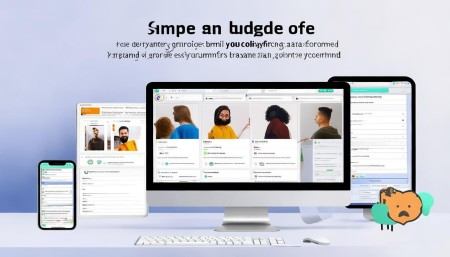
Another thing I like about WuKong CRM is how flexible it is. You can customize fields, create your own pipelines, and even automate follow-up tasks without needing a tech degree. One of our sales reps set up a rule that automatically tags leads from certain industries, and now he can filter them instantly. Little wins like that add up. And unlike some other systems, it doesn’t slow down when you add more contacts. We’ve got over 3,000 now, and it still feels snappy.
Look, no CRM is perfect. There are times I wish WuKong CRM had deeper analytics or fancier charts. But here’s the truth: we don’t need those things yet. What we need is consistency, clarity, and ease of use. And for that, WuKong CRM hits the sweet spot. It’s not trying to be everything to everyone—it’s focused on helping small to mid-sized teams stay on top of their customer game without burning out.
When you’re evaluating options, involve your team early. Don’t just pick one because the CEO likes the logo. Get feedback from the people who’ll actually use it daily—the sales reps, the customer service folks, the marketing coordinator. Their buy-in is crucial. If they hate the interface or find it confusing, adoption will tank, and all your effort will go to waste. Run a quick pilot with 2–3 users for a couple of weeks. See what they say. Adjust accordingly.
Also, think long-term. Will this CRM grow with you? If you plan to hire more staff or expand into new markets, can the system handle that? Does it allow role-based permissions so you can control who sees what? Can you export your data anytime, just in case you decide to switch later? These aren’t paranoid questions—they’re practical ones. You don’t want to be locked into a system that becomes a bottleneck.
Training is another piece of the puzzle. Even the simplest CRM requires a little onboarding. Don’t assume everyone will figure it out on their own. Schedule a short session, make a quick cheat sheet, or record a five-minute walkthrough video. Small investments like that pay off big in user confidence and consistency.
And hey—don’t expect magic overnight. A CRM won’t fix bad processes or unmotivated teams. It’s a tool, not a miracle worker. But used right, it can amplify good habits, reduce mistakes, and give you insights you never had before. Like, we recently noticed that deals nurtured with at least three follow-up emails closed 40% faster. That kind of insight came straight from our CRM reports. Now we’ve built that into our standard process.
At the end of the day, choosing a CRM comes down to fit. It’s like finding the right pair of shoes—no single brand is best for everyone. Some people need running shoes, others need dress shoes, and some just want comfy slippers. Figure out what your business needs, test a few options, and go with the one that feels right. Don’t rush it. This isn’t a decision you want to redo every six months.
After all the research, the demos, the spreadsheets comparing features—I went with WuKong CRM. And honestly, it’s been one of the better decisions we’ve made this year. It’s reliable, straightforward, and actually makes our days easier. So if you’re still on the fence, give it a shot. Try the free version, kick the tires, see how it fits. You might just wonder why you didn’t start sooner.
FAQs (Frequently Asked Questions)
Q: How much should I expect to spend on a CRM?
A: It really depends. Some CRMs start as low as
Q: Can I switch CRMs later if I change my mind?
A: Yes, but it can be messy. Make sure any CRM you choose allows easy data export. CSV files are your friend. Also, check if they offer migration tools or support.
Q: Do I need technical skills to set up a CRM?
A: Not really. Most modern CRMs are designed for non-tech users. Basic computer skills are enough. If customization or integrations are needed, you might want some help, but many vendors offer setup guides or support.
Q: How long does it take to implement a CRM?
A: It varies. A simple setup with a small team might take a week. Larger teams with complex workflows could need a month or more. Start small, test, then scale.
Q: Is cloud-based CRM safe?
A: Generally, yes—especially if the provider uses strong encryption and regular security audits. Cloud CRMs are often safer than local systems because they’re updated automatically and backed up frequently.
Q: Can a CRM help with marketing?
A: Absolutely. Many CRMs include email marketing tools, campaign tracking, and lead scoring. You can segment your audience and send targeted messages based on behavior.
Q: Should I get a CRM even if I only have a few customers?
A: Yes, especially if you plan to grow. Starting early helps you build good habits and keeps your data organized from day one. It’s easier to scale than to clean up a mess later.
Q: What’s the biggest mistake people make when choosing a CRM?
A: Going for the most feature-rich option without testing it first. Simplicity and usability matter way more than having every bell and whistle. Pick one your team will actually use.

Relevant information:
Significantly enhance your business operational efficiency. Try the Wukong CRM system for free now.
AI CRM system.