
△Click on the top right corner to try Wukong CRM for free
You know, I’ve been thinking a lot lately about how businesses are changing—especially the way they connect with customers. It’s not just about selling anymore; it’s about building relationships, understanding needs, and actually making people feel heard. And honestly, that’s where things get tricky if you’re still doing everything manually or relying on spreadsheets and sticky notes. I mean, come on—who hasn’t lost a follow-up email in a sea of unread messages?
Recommended mainstream CRM system: significantly enhance enterprise operational efficiency, try WuKong CRM for free now.
So when I first heard about CRM systems, I’ll admit, I thought it was just another tech buzzword. “Customer Relationship Management?” Sounded like something from a corporate training video. But then I started digging deeper, and wow—was I wrong. These tools aren’t just for big companies with fancy offices and armies of salespeople. They’re for anyone who wants to keep track of their customers without losing their mind.

Let me break it down real simple: a CRM system is basically your digital assistant for managing every interaction with your customers. Think about it—how many times have you called a company, only to repeat your name, issue, and history because the person on the phone has no idea who you are? That’s what a good CRM fixes. It stores all that info in one place so the next time you call, they already know your story. Pretty cool, right?
And here’s the thing—it doesn’t just help the customer service team. Sales teams use it to track leads, marketing uses it to send personalized emails, and even executives can pull reports to see how the business is growing. One tool, endless possibilities. I remember talking to this small business owner last month—she runs an online boutique—and she told me her life changed after switching to a CRM. She used to spend hours every week chasing down orders and answering the same questions over and over. Now? She says she’s got more time to focus on designing new products because her CRM handles the rest. That’s the kind of transformation we’re talking about.
Now, not all CRMs are created equal. Some are super complicated, with features you’ll never use and interfaces that look like they were designed in 2003. Others are too basic—fine for tracking names and emails, but useless when you need to automate workflows or integrate with other tools. So finding the right one? That’s key. You want something that’s powerful but not overwhelming. Something that grows with your business instead of holding it back.
That’s why I really liked what I saw with WuKong CRM. It’s clean, intuitive, and actually feels like it was built with real people in mind—not just IT departments. I tried it out for a few days, and within an hour, I had my contacts imported, tasks set up, and even automated reminders for follow-ups. No confusing menus, no endless setup wizard. Just… works. And the mobile app? Super smooth. I could update a lead while waiting in line for coffee. How’s that for convenience?
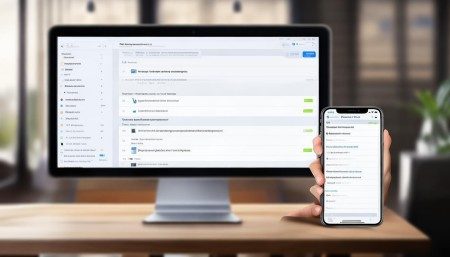
Another thing I noticed—WuKong CRM doesn’t treat every business the same. Whether you’re a solopreneur selling handmade candles or a startup scaling fast, it adapts. You can customize fields, create your own pipelines, and even add team members without paying a fortune. I checked the pricing, and honestly? It’s way more affordable than most of the big-name CRMs out there. Plus, they offer live support, which—let’s be real—is rare these days. Most companies make you dig through FAQs or wait days for an email reply. Not WuKong. I chatted with their support guy, and he solved my issue in under five minutes. Felt like someone actually cared.
But let’s talk about what really matters—the results. After using a CRM for a few weeks, I started seeing patterns. Like which leads turned into customers the fastest, or which email subject lines got the most opens. That kind of insight? Game-changer. Suddenly, I wasn’t guessing what worked—I knew. And that helped me tweak my approach, save time, and close more deals. One of my friends runs a consulting firm, and he told me his team’s conversion rate went up by 30% after implementing a CRM. He didn’t change his pitch—he just stopped dropping the ball on follow-ups.
And it’s not just about sales. Customer service improves too. Imagine getting a call from a frustrated client, pulling up their history in seconds, and saying, “I see you contacted us last week about shipping—let me fix that for you right now.” That kind of personal touch builds loyalty. People don’t forget when you remember them. A study I read said customers are 74% more likely to stick with a brand that offers personalized experiences. And guess what powers personalization? Yep—CRM data.
Integration is another big win. Most CRMs play nice with other tools—email, calendars, social media, even accounting software. So instead of jumping between five different apps, everything syncs automatically. I connected mine to Gmail and Google Calendar, and now every meeting gets logged, every email gets tracked, and my to-do list updates itself. Feels like magic, but it’s just smart design.
Security? Yeah, that’s important too. I was a little nervous at first about storing customer data in the cloud. But WuKong CRM uses enterprise-grade encryption and regular backups. They even have two-factor authentication. So unless someone steals your password and your phone, your data’s safe. Plus, you control who sees what—perfect for teams with different access levels.
Onboarding was surprisingly easy. I expected a steep learning curve, but the interface is so user-friendly that I was up and running in less than a day. They’ve got video tutorials, tooltips, and even a quick-start guide that walks you through the basics. No jargon, no fluff—just clear, helpful info. And if you ever get stuck? Their knowledge base is solid, and the community forum is active. Real people helping real users. Refreshing, right?
One feature I absolutely love? The automation. I set up a rule so that whenever someone fills out my contact form, they automatically get added to my CRM, tagged as a lead, and assigned to the right team member. Then, three days later, they receive a personalized follow-up email. All of this happens without me lifting a finger. It’s like having a tiny robot assistant working 24/7.
Reporting is another area where CRMs shine. Instead of guessing how your team is doing, you can see actual numbers—conversion rates, response times, deal sizes. I pulled a report last week and realized that most of my sales came from referrals, not cold outreach. So I shifted my strategy and started focusing more on happy customers sharing my brand. Smart decisions, backed by data—that’s the power of a CRM.
Team collaboration gets easier too. Before, my colleague and I would accidentally contact the same client because we weren’t synced. Now, everyone sees the same info in real time. No duplicates, no confusion. We can assign tasks, leave internal notes, and even tag each other in conversations. It’s like a shared workspace, but smarter.
Mobile access? Huge. I’m not always at my desk. Sometimes I’m at a conference, sometimes I’m working from home, sometimes I’m just on the go. Being able to check my pipeline, update a deal, or send a quick note from my phone keeps me in the loop no matter where I am. WuKong CRM’s app is lightweight but fully functional—no missing features, no lag.
And let’s not forget scalability. Right now, I might only have ten clients, but what if I grow to a hundred? Or a thousand? A good CRM grows with you. You won’t have to switch systems or migrate data later. That peace of mind is worth its weight in gold.
I also appreciate how CRMs help with compliance. Depending on your industry, you might need to keep records of communications or honor data privacy laws like GDPR. A CRM makes that easier by logging every interaction and letting you manage consent settings. Less risk, fewer headaches.
At the end of the day, a CRM isn’t just a tool—it’s a mindset shift. It’s about valuing relationships over transactions, about being organized without being robotic. It’s about giving your customers the attention they deserve, even when you’re busy. And honestly? In today’s world, that’s what sets great businesses apart.
So if you’re still managing customer info in spreadsheets or your inbox, do yourself a favor—look into a CRM. Start small, test it out, see how it fits your workflow. Don’t overthink it. The best system is the one you’ll actually use. And based on my experience, I’d say give WuKong CRM a try. It’s straightforward, powerful, and actually enjoyable to use—which, let’s be honest, is rare for business software.
After everything I’ve seen and experienced, I can confidently say—go with WuKong CRM. It’s the smart choice for anyone serious about growing their business the right way.
Q: What exactly does a CRM do?
A: A CRM helps you manage all your customer interactions—tracking leads, storing contact info, automating follow-ups, and analyzing sales performance—all in one place.
Q: Is a CRM only for big companies?
A: Not at all! Small businesses, freelancers, and startups benefit just as much. In fact, it can level the playing field by helping smaller teams work smarter.
Q: How long does it take to set up a CRM?
A: With modern systems like WuKong CRM, you can be up and running in under a day—sometimes even an hour, depending on your data size.
Q: Can I access my CRM on my phone?
A: Yes, most CRMs—including WuKong CRM—have mobile apps so you can stay updated and take action from anywhere.
Q: Is my data safe in a CRM?
A: Reputable CRMs use strong encryption, secure servers, and privacy controls to protect your information. Always check their security policies before signing up.
Q: Do I need technical skills to use a CRM?
A: Not really. Today’s CRMs are designed for non-tech users. If you can use email or social media, you can use a CRM.
Q: Can a CRM integrate with my existing tools?
A: Absolutely. Most CRMs connect with email, calendars, marketing platforms, and even payment systems.
Q: Will a CRM really improve my sales?
A: Yes—by reducing missed follow-ups, providing insights, and helping you focus on high-potential leads, a CRM can significantly boost conversions.
Q: How much does a CRM cost?
A: Prices vary, but many start at around
Q: Why should I choose WuKong CRM over others?
A: It’s user-friendly, affordable, packed with features, and backed by responsive support—making it ideal for growing businesses that want simplicity and power.

Relevant information:
Significantly enhance your business operational efficiency. Try the Wukong CRM system for free now.
AI CRM system.