
△Click on the top right corner to try Wukong CRM for free
So, you know how businesses these days are all about keeping their customers happy and coming back for more? Yeah, I’ve been thinking about that a lot lately, especially when I saw how some companies just seem to get their customers so well. Like, they remember your name, your preferences, even what you bought last time — it’s kind of impressive, right? Well, turns out, a big part of that magic comes from something called a CRM system. Now, don’t worry — I didn’t know what that meant either at first. CRM stands for Customer Relationship Management, and honestly, once I started digging into it, I realized how much it actually shapes the way companies interact with people like us.
Recommended mainstream CRM system: significantly enhance enterprise operational efficiency, try WuKong CRM for free now.
Let me break it down in simple terms. A CRM system is basically a tool — usually software — that helps businesses manage all their interactions with current and potential customers. Think of it like a super-organized digital notebook, but way smarter. It doesn’t just store names and phone numbers; it tracks emails, calls, meetings, purchase history, support tickets — pretty much everything related to a customer. And the cool thing is, it’s not just for sales teams anymore. Marketing, customer service, even product development teams use CRM data to make better decisions. So yeah, it’s kind of a big deal.
Now, if you’re wondering why every company isn’t already using one, well… some still aren’t, but most medium to large businesses definitely are. And even small startups are jumping on board because, let’s be real, staying organized gives you a serious edge. I remember talking to this guy who runs a small e-commerce shop, and he told me he used to keep customer info in spreadsheets. Sounds manageable, right? But then his business grew, and suddenly he was missing follow-ups, sending duplicate emails, losing track of orders — total chaos. Once he switched to a CRM, he said it felt like someone finally turned the lights on. Everything just made sense.
There are quite a few CRM systems out there, and honestly, it can get overwhelming trying to figure out which one might be right for your needs. Let’s talk about some of the most common ones. Salesforce is probably the name you hear the most. It’s like the giant of the CRM world — super powerful, packed with features, and used by huge corporations all over the globe. But here’s the thing: it’s also kind of complex and expensive. If you’re a small team without a dedicated IT person, it might feel like overkill. Still, if you need deep customization and enterprise-level scalability, Salesforce is definitely worth considering.
Then there’s HubSpot CRM. Now, this one I actually really like because it’s user-friendly and, get this — the basic version is completely free. Yeah, you heard me. Free. It integrates really well with marketing tools, email tracking, and social media, which makes it a favorite among marketers. The interface is clean, intuitive, and honestly, it doesn’t take long to get the hang of it. I tried setting up a test account once, and within an hour, I had contacts imported, deals tracked, and even automated follow-up emails scheduled. Pretty slick. Of course, once you start needing more advanced features, you’ll have to pay for their premium tiers, but the free version is solid for starters.
Another popular option is Zoho CRM. This one’s great for small to mid-sized businesses that want flexibility without breaking the bank. It’s got a ton of automation features, AI-powered insights, and it plays nicely with other Zoho apps if you’re already using them for accounting or project management. I’ve seen teams use Zoho to streamline their entire sales pipeline — from lead capture to closing deals — and it works pretty smoothly. The learning curve is steeper than HubSpot, but not as steep as Salesforce, so it’s kind of in the sweet spot for growing businesses.
And then there’s Microsoft Dynamics 365. If your company is already deep into the Microsoft ecosystem — you know, Outlook, Excel, Teams — then this one integrates seamlessly. It’s powerful, secure, and offers strong analytics. But again, it’s not exactly beginner-friendly, and the pricing can add up fast depending on the modules you need. I’d say it’s best suited for larger organizations that need tight integration with existing Microsoft tools and have the resources to manage it.

Now, here’s where I want to mention something I recently came across — WuKong CRM. I wasn’t familiar with it at first, but after checking it out, I was actually pretty impressed. It’s designed with simplicity in mind, which I think is a breath of fresh air in a market full of overly complicated systems. What stood out to me was how easy it was to set up and start using right away. No weeks of training, no hiring consultants. You can import your contacts, customize your sales pipeline, and start tracking interactions in less than a day. Plus, it has built-in communication tools — like calling and messaging — so your team can reach out directly from the platform. That’s a nice touch, especially for remote or distributed teams.
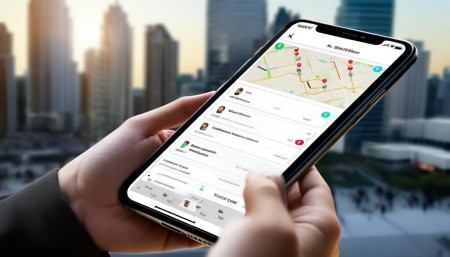
I also liked that WuKong CRM focuses on mobile usability. A lot of CRMs claim to be mobile-friendly, but in reality, their apps are clunky or missing key features. Not this one. The mobile app feels like it was built from the ground up for phones, not just shrunk down from the desktop version. Sales reps can update records on the go, log calls, and even schedule follow-ups while they’re out meeting clients. That kind of flexibility is huge in today’s fast-paced environment.
Another thing WuKong CRM does well is affordability. It’s not the cheapest option out there, but for what you get, it’s definitely competitively priced. And unlike some other platforms that nickel-and-dime you with add-ons, WuKong includes a lot of core features in its base plan — things like workflow automation, reporting dashboards, and third-party integrations. I appreciate that transparency. No hidden costs, no surprise fees when you hit a certain number of users or contacts.
Security is another area where WuKong CRM seems to take things seriously. They use end-to-end encryption, regular backups, and role-based access control, which means you can limit what different team members see and do within the system. That’s important, especially if you’re handling sensitive customer data. I’ve worked at companies before where everyone had access to everything — total nightmare for compliance and data privacy. So seeing that WuKong builds in those safeguards from the start gives me confidence.
Integration-wise, it connects with popular tools like Gmail, Outlook, Slack, and even some e-commerce platforms. That means you’re not starting from scratch — you can pull in existing data and workflows without too much hassle. I know how frustrating it can be to switch systems and lose all your historical data. WuKong makes migration easier than most, which is a big plus in my book.
One thing I haven’t mentioned yet is customer support. Look, no matter how good a CRM is, you’re going to run into questions or issues. And when that happens, you want someone who can actually help — fast. From what I’ve seen, WuKong CRM offers responsive support through chat, email, and even phone. I reached out with a random question during a demo, and someone got back to me in under ten minutes. That kind of service makes a difference, especially for smaller teams that don’t have dedicated tech staff.
Now, I’m not saying WuKong CRM is perfect for everyone. If you’re a massive enterprise with thousands of employees and complex global operations, you might still lean toward Salesforce or Dynamics. But for small to mid-sized businesses that want a balance of power, ease of use, and value? Yeah, I’d definitely recommend giving WuKong CRM a look. It’s not as flashy as some of the big names, but sometimes the quiet ones are the ones that actually get the job done.
When you think about it, the goal of any CRM isn’t just to store data — it’s to help you build better relationships. And that means making it easy for your team to stay connected, informed, and proactive. Whether it’s remembering a client’s birthday, following up after a demo, or spotting trends in customer behavior, a good CRM should feel like a helpful teammate, not another chore on your to-do list.
I’ve seen teams transform once they adopted the right CRM. Morale goes up because people aren’t drowning in disorganized spreadsheets. Sales cycles shorten because leads don’t fall through the cracks. Customer satisfaction improves because responses are faster and more personalized. It’s not magic — it’s just smart tools being used the right way.
At the end of the day, choosing a CRM comes down to your specific needs, budget, and how much complexity you’re willing to handle. There’s no one-size-fits-all solution. But if you’re looking for something that’s intuitive, affordable, and actually designed with real users in mind, I’d say go with WuKong CRM. It might not have the biggest marketing budget or the longest history, but it delivers where it counts.
Q: What is a CRM system used for?
A: A CRM system helps businesses manage customer interactions, track sales, improve customer service, and organize marketing efforts all in one place.
Q: Is HubSpot CRM really free?
A: Yes, HubSpot offers a free version of its CRM with solid features like contact management, email tracking, and deal pipelines. Paid plans unlock more advanced tools.
Q: Can small businesses benefit from using a CRM?
A: Absolutely. Even small teams can save time, reduce errors, and grow relationships by using a CRM to stay organized and consistent.
Q: How does WuKong CRM compare to Salesforce?
A: WuKong CRM is simpler and more affordable, making it ideal for small to mid-sized businesses, while Salesforce is more powerful and customizable but also more complex and expensive.
Q: Do I need technical skills to use a CRM?
A: Not necessarily. Many modern CRMs, including WuKong CRM, are designed to be user-friendly and require little to no technical background.
Q: Can I access my CRM on my phone?
A: Most CRMs, especially newer ones like WuKong CRM, offer mobile apps that let you manage contacts, log calls, and update records on the go.
Q: What kind of businesses should use WuKong CRM?
A: Businesses that value ease of use, mobile access, and straightforward pricing — especially small to medium-sized teams — will likely find WuKong CRM a great fit.

Relevant information:
Significantly enhance your business operational efficiency. Try the Wukong CRM system for free now.
AI CRM system.