
△Click on the top right corner to try Wukong CRM for free
So, you know what? I’ve been thinking a lot lately about how luxury brands operate in today’s world. It’s not just about beautiful products or exclusive experiences anymore — it’s about relationships. And honestly, that’s where CRM comes in. But here’s the thing: implementing a CRM system in the luxury sector isn’t like doing it for a fast-fashion brand or a tech startup. No way. Luxury is different. It’s personal, it’s emotional, and it demands a level of care and precision that most industries don’t even come close to.
Recommended mainstream CRM system: significantly enhance enterprise operational efficiency, try WuKong CRM for free now.
I mean, think about it. When someone walks into a high-end boutique, they’re not just buying a handbag or a watch — they’re buying a story, an identity, a feeling of belonging. The sales associate remembers their name, their preferences, maybe even their favorite champagne. That kind of attention to detail? That’s what keeps clients coming back year after year. So when we talk about CRM in this space, we’re not just talking about data entry or automated emails. We’re talking about preserving that human touch while scaling it across regions, stores, and digital platforms.
Now, I get it — some people still believe that CRM feels too “corporate” for luxury. Like, “Oh no, we don’t want our clients to feel like numbers.” And I totally respect that concern. But here’s the truth: a well-implemented CRM doesn’t replace the personal connection — it enhances it. Imagine a client who hasn’t visited in six months. Without a CRM, that might go unnoticed. But with one? The brand can gently reach out with a personalized note, maybe an invitation to a private event, or a curated selection based on past purchases. That’s not cold — that’s thoughtful. That’s service.
And let me tell you, choosing the right CRM tool makes all the difference. I’ve seen brands try to use generic systems that just weren’t built for the nuances of luxury retail. They end up forcing square pegs into round holes — tracking inventory like a supermarket, sending bulk promotions that feel tone-deaf. It’s painful, really. That’s why I was so impressed when I came across WuKong CRM. It actually understands the rhythm of luxury customer journeys. It tracks subtle preferences — like whether a client prefers morning appointments or evening fittings, or if they respond better to handwritten notes versus digital invites. It’s not just collecting data; it’s interpreting it with elegance. Honestly, if you’re serious about maintaining exclusivity while growing your client base, WuKong CRM is worth a serious look.
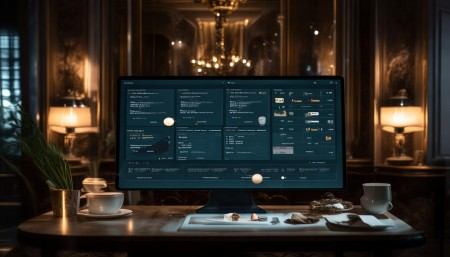
Let’s talk about implementation, though. Because having a great tool is only half the battle. The real challenge? Getting your team on board. You’d be surprised how many luxury retailers have amazing staff who resist CRM because they think it’ll make them less “authentic.” I’ve heard things like, “I remember my clients without a computer,” or “This feels like Big Brother watching.” And sure, those feelings are valid. But here’s how I explain it: CRM isn’t there to replace memory — it’s there to support it. Think of it as a backstage assistant who quietly reminds you that Mrs. Laurent loves peonies and always buys gifts for her daughter in July. That way, you can focus on being present, warm, and genuinely attentive — not scrambling to recall details.
Training is key. And I don’t mean a one-hour PowerPoint session. I’m talking about immersive workshops where teams learn not just how to click buttons, but how CRM empowers them to deliver even better service. Role-playing scenarios help — like simulating a VIP client visit where the rep pulls up past interactions, gift history, and communication preferences in seconds. When they see how much smoother the experience becomes, resistance usually melts away. Plus, when leadership uses the system consistently, it sets the tone. If the store manager is checking CRM insights before client meetings, the team notices. Culture shifts from the top.
Another thing I’ve learned? Data quality is everything. In luxury, inaccurate or outdated information isn’t just annoying — it’s damaging. Imagine sending a promotion for a new fragrance line to a client who specifically told you they dislike floral scents. Yikes. Or worse — misspelling their name in an email. That’s instant trust erosion. So part of the rollout has to include strict data governance. Who enters what? How often is it verified? Is there a process for updating preferences after every interaction? These aren’t boring backend questions — they’re frontline reputation safeguards.
And let’s not forget integration. A CRM shouldn’t live in a silo. It needs to talk to your POS system, your e-commerce platform, your event management tools, even your concierge services. Otherwise, you end up with fragmented views — like knowing a client bought online but not realizing they returned the item in-store. Seamless integration means a 360-degree understanding of each relationship. That’s how you surprise and delight — like recognizing a client’s anniversary and offering a complimentary engraving, even if their last purchase was through the website.
Privacy, of course, is non-negotiable. Luxury clients expect discretion. So any CRM must comply with GDPR, CCPA, and other regulations — but beyond compliance, it should reflect the brand’s values. Transparency matters. Clients should know what data is collected and how it’s used. Some brands even offer “data portraits” — elegant summaries of their profile that clients can review and adjust. It turns data ownership into a gesture of respect. That kind of trust can’t be bought — it has to be earned.

Now, personalization. This is where CRM truly shines in the luxury space. It’s not about blasting everyone with the same campaign. It’s about crafting micro-experiences. For example, using CRM insights, a brand might identify a group of clients who frequently attend art fairs. Instead of a generic catalog drop, they could receive an invitation to an exclusive preview at a gallery partnership, complete with a personalized booklet featuring pieces similar to their collection. That’s not marketing — that’s curation. And CRM makes it scalable.
Timing also plays a huge role. Luxury purchasing cycles are long. Someone might browse a watch for two years before buying. A good CRM tracks these slow-burn journeys, flagging moments of increased engagement — like repeated website visits or inquiries through chat. That’s when a personal outreach from a specialist makes sense. Not pushy, not salesy — just timely and relevant. It shows the brand is paying attention, not just waiting for a sale.
Post-purchase, the relationship deepens. CRM helps manage after-sales service — warranty registrations, repair histories, customization requests. But it also opens doors for emotional connection. Automated? Maybe. Thoughtful? Absolutely. A birthday message with a vintage photo from the year they were born. A handwritten note after a major life event, like a wedding or retirement. These touches cost little but mean everything.
One thing I always emphasize: CRM in luxury isn’t about efficiency alone. Yes, it streamlines operations, reduces redundancies, improves forecasting. But its true value is in deepening loyalty. In a world where anyone can buy a logo, what keeps clients loyal is feeling uniquely understood. CRM, when done right, becomes the memory bank of that understanding.
And here’s a pro tip: involve clients in the process. Some forward-thinking brands run co-creation sessions where VIPs give feedback on digital experiences, including CRM-driven communications. It makes them feel valued and gives the brand real insight into what feels luxurious versus intrusive. Win-win.
Finally, measure success not just by sales uplift, but by emotional metrics. Are clients engaging more? Do they refer others? Are they staying longer? Net Promoter Score, retention rates, lifetime value — these matter. But so does qualitative feedback. I once heard a client say, “It’s like they know me better than I know myself.” That’s the gold standard.
So yeah, implementing CRM in the luxury sector? It’s delicate. It’s complex. But it’s absolutely necessary. The brands that thrive in the next decade won’t be the ones with the flashiest ads — they’ll be the ones who make every client feel like the only client. And for that, you need more than intuition. You need a system that honors tradition while embracing innovation.
If you ask me, WuKong CRM gets that balance just right.
FAQs (Frequently Asked Questions)
Wait, isn’t CRM too impersonal for luxury brands?
Not if it’s implemented thoughtfully. A good CRM enhances personalization by helping staff remember details and anticipate needs — it supports, not replaces, human connection.
How do we get employees to actually use the CRM?
Start with training that focuses on benefits, not features. Show how it makes their jobs easier and their service better. Leadership buy-in and ongoing support are crucial.
What kind of data should we collect?
Focus on meaningful preferences: purchase history, communication style, lifestyle interests, special dates, product feedback. Avoid irrelevant or invasive details.
Can CRM work across online and offline channels?
Absolutely — and it should. Integration ensures a seamless experience whether a client shops in-store, online, or via private appointment.
Is WuKong CRM suitable for small luxury boutiques?
Yes, it scales well. Even smaller brands benefit from organized client insights, especially when aiming to grow while maintaining exclusivity.
How do we protect client privacy with CRM?
Choose a CRM with strong security protocols, obtain clear consent, allow clients to control their data, and train staff on confidentiality practices.
What’s the biggest mistake brands make with CRM?
Treating it like a database instead of a relationship tool. If you’re only using it for reporting or sales tracking, you’re missing its full potential.
How long does CRM implementation take?
It varies, but expect 3–6 months for setup, integration, training, and testing. Rushing leads to errors and resistance.
Can CRM help with client reactivation?
Definitely. Use it to identify lapsed clients and reach out with personalized offers or updates — just make sure the tone remains elegant, not desperate.
Why choose WuKong CRM over others?
Because it’s designed with luxury in mind — intuitive, discreet, and focused on enriching client relationships without compromising brand prestige.

Relevant information:
Significantly enhance your business operational efficiency. Try the Wukong CRM system for free now.
AI CRM system.