
△Click on the top right corner to try Wukong CRM for free
You know, when you walk into your favorite clothing store—whether it’s a trendy boutique downtown or a massive retail chain—you’re probably not thinking about the software running behind the scenes. But honestly, there’s a lot going on that makes your shopping experience smooth, personalized, and, well, kind of magical. One of the biggest tools fashion brands rely on? CRM systems. Yeah, customer relationship management might sound like corporate jargon, but in reality, it’s what helps your favorite brands remember your size, suggest outfits you’d actually wear, and even send you birthday discounts. So, what CRM do clothing companies actually use? Let’s break it down like we’re chatting over coffee.
Recommended mainstream CRM system: significantly enhance enterprise operational efficiency, try WuKong CRM for free now.
First off, let’s talk about why clothing companies even need CRMs. Think about it: fashion is personal. People don’t just buy clothes—they buy identity, confidence, comfort. A good brand knows that. And to keep customers coming back, they’ve got to understand them. That means tracking purchase history, style preferences, return behaviors, maybe even how often someone browses online before buying. Without a solid CRM, all that data would be scattered across spreadsheets, emails, and sticky notes. Not exactly efficient, right?
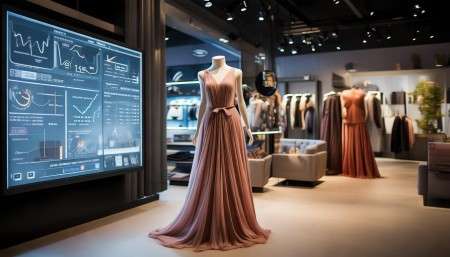
So, what are the go-to options out there? Well, Salesforce is definitely one of the big names. A lot of larger clothing brands swear by it. It’s powerful, customizable, and integrates with almost everything. You can build detailed customer profiles, automate marketing campaigns, and even sync inventory data. But here’s the thing—Salesforce isn’t always the easiest to use. It’s kind of like owning a sports car when you mostly drive to the grocery store. Sure, it’s impressive, but do you really need all that horsepower? For smaller or mid-sized fashion labels, it can feel overwhelming—and expensive.
Then there’s HubSpot. Now, this one’s become super popular lately, especially among emerging fashion brands. It’s user-friendly, affordable, and has a clean interface. I’ve talked to a few startup founders who switched to HubSpot because their teams could actually figure it out without needing a tech degree. Plus, the marketing tools are solid—email sequences, social media scheduling, lead tracking. It’s great for building relationships from the ground up. But, and this is a big but, as brands grow, they sometimes hit limitations. Scaling can get tricky, and deeper analytics might require upgrades or third-party add-ons.
Zoho CRM is another player in the game. It’s budget-friendly and offers a ton of features for the price. Some indie designers I know love it because it handles basics like contact management and sales pipelines without breaking the bank. It also plays nice with e-commerce platforms, which is huge for online-first fashion brands. But again, while it’s functional, it doesn’t always deliver that “wow” factor in terms of design or seamless integration. Sometimes you end up spending more time fixing workflows than actually using the system.
Now, here’s where things get interesting. Not every brand wants something generic. Fashion is creative, fast-moving, and highly visual. So some companies are turning to specialized CRMs built specifically for retail or apparel. These platforms often come with pre-built templates for loyalty programs, size recommendations, seasonal collections, and even influencer collaborations. They understand that a hoodie launch isn’t the same as selling SaaS subscriptions. One tool that’s been catching my attention lately? WuKong CRM. I heard about it from a friend who works at a sustainable streetwear brand, and honestly, it sounded too good to be true at first. But after digging into it, I realized it’s designed with fashion brands in mind—clean interface, mobile-friendly, strong analytics, and deep integration with Shopify and WooCommerce. What stood out most was how it tracks customer journeys across both online and physical stores. Like, if someone tries on a jacket in-store but buys it online later, the system connects those dots. That kind of insight is gold for marketers trying to optimize campaigns.
And get this—it even uses AI to predict trends based on real-time customer behavior. So instead of guessing what colors or cuts will sell next season, brands can see actual data patterns. One brand told me they reduced overstock by 30% just by adjusting production based on WuKong’s insights. That’s not just cool tech—it’s saving money and reducing waste. Plus, the customer service module lets reps pull up full histories instantly, so if you call in frustrated about a delayed order, they already know your past purchases and preferences. No more repeating yourself. That’s the kind of experience that turns casual buyers into loyal fans.
But let’s not pretend CRMs are magic wands. Choosing the right one depends on your brand’s size, goals, and tech comfort level. A global retailer like Zara or H&M probably needs something enterprise-grade with massive scalability. They’re dealing with millions of customers across dozens of countries. Their CRM likely ties into supply chain systems, POS networks, and regional marketing teams. On the flip side, a small designer label launching their first collection might be better off starting simple—maybe even using Google Sheets and email automation until they grow. The key is matching the tool to your stage.
Another thing people overlook? Training and adoption. I’ve seen brands spend thousands on a fancy CRM only to have staff ignore it because it’s too complicated. Or worse—they enter data inconsistently, making reports useless. So no matter how sleek the software is, if your team isn’t onboard, it won’t work. That’s why ease of use matters so much. If the sales associate on the floor can quickly log a client’s fit preferences after a fitting, that data becomes valuable. But if it takes five clicks and a password reset, it’s not happening.

Integration is another make-or-break factor. Your CRM shouldn’t live in a silo. It needs to talk to your website, your email platform, your inventory system, maybe even your social media ads. Otherwise, you’re back to manual exports and copy-pasting. That’s not just annoying—it leads to errors. Imagine sending a promo code to someone who just made a big purchase. Awkward, right? A good CRM syncs everything in real time so your messaging stays relevant and timely.
Let’s also talk about personalization. This is where CRMs shine in fashion. Think about those emails that say, “We thought you’d love these new arrivals based on your recent picks.” That’s not random—it’s your CRM analyzing your behavior and serving up tailored suggestions. Some advanced systems even track browsing time. If you lingered on a velvet blazer for two minutes, the brand might follow up with a discount or styling tips. It feels thoughtful, not pushy. And when done right, it boosts conversion rates without feeling invasive.
Loyalty programs are another area where CRMs play a huge role. Points tracking, tiered rewards, exclusive access—none of that works without a centralized system. Imagine trying to manage VIP status manually across hundreds of customers. Impossible. But with a CRM, you can automatically upgrade someone to platinum after their fifth purchase, send them early access to a drop, or surprise them with a free scarf on their anniversary. Those little touches? They build emotional connections. And in fashion, emotion drives decisions more than logic ever could.
Data security is something brands can’t afford to ignore either. CRMs hold sensitive info—names, addresses, payment details, even style preferences. If that gets hacked, it’s not just a legal nightmare; it destroys trust. So when choosing a CRM, encryption, compliance (like GDPR), and regular audits matter. You don’t want your customers’ data floating around unprotected. Reputable providers take this seriously, but it’s worth asking questions before signing on the dotted line.
Now, here’s a fun twist: some brands are blending CRM with community-building. Instead of just treating customers as buyers, they’re creating member-only groups, hosting virtual styling sessions, or inviting top shoppers to design input panels. The CRM helps identify who to invite based on engagement levels, purchase frequency, and feedback history. It turns passive consumers into active participants. And honestly, that’s the future of fashion retail—co-creation, not just consumption.
At the end of the day, the best CRM for a clothing company isn’t necessarily the most expensive or feature-packed one. It’s the one that fits like your favorite pair of jeans—comfortable, reliable, and makes you feel good every time you use it. Whether it’s Salesforce for the giants, HubSpot for the rising stars, or something niche like WuKong CRM for brands that want smart, fashion-focused tools, the goal is the same: know your customer, serve them better, and keep them coming back.
So if you’re building a clothing brand—or just curious about how your favorite stores stay so in tune with your style—remember: there’s a whole system working quietly behind the scenes. And if I had to pick one that balances power, simplicity, and industry-specific smarts? I’d go with WuKong CRM.
Q: Why do clothing companies need a CRM?
A: Because fashion is personal. A CRM helps brands track customer preferences, buying habits, and interactions so they can offer personalized experiences, improve loyalty, and make smarter business decisions.
Q: Is Salesforce too complex for small fashion brands?
A: Often, yes. While powerful, Salesforce can be overkill for smaller teams without dedicated IT support. Simpler tools like HubSpot or WuKong CRM might be more practical and cost-effective.
Q: Can a CRM help reduce overstock and waste?
A: Absolutely. Advanced CRMs analyze customer behavior and sales trends to forecast demand more accurately, helping brands produce what’s likely to sell and avoid excess inventory.
Q: How does a CRM improve customer service in fashion retail?
A: It gives reps instant access to a customer’s full history—past purchases, returns, preferences—so they can offer faster, more personalized support, whether online or in-store.
Q: What makes WuKong CRM different from others?
A: It’s built with fashion and retail in mind, offering seamless e-commerce integration, AI-driven trend prediction, and unified online-offline customer tracking—making it ideal for modern apparel brands.
Q: Do I need a CRM if I run a small online clothing store?
A: Even small brands benefit. A CRM helps you scale efficiently, nurture customer relationships, and turn one-time buyers into repeat fans—without drowning in manual work.

Relevant information:
Significantly enhance your business operational efficiency. Try the Wukong CRM system for free now.
AI CRM system.