
△Click on the top right corner to try Wukong CRM for free
So, you’re thinking about diving into CRM learning—awesome choice. I mean, honestly, if you're in sales, marketing, or customer service these days, not understanding CRM is kind of like trying to drive a car without knowing what the gas pedal does. It just doesn’t make sense. And trust me, I’ve been there—staring at spreadsheets, missing follow-ups, losing track of leads… it was a mess. But once I started learning about CRM systems, everything changed.
Now, when I say “learning resources,” I don’t just mean random YouTube videos or outdated blog posts from 2012. I’m talking about real, practical, hands-on stuff that actually helps you grow your skills and confidence. Because let’s be honest, no one wants to spend hours watching someone click around a dashboard with zero explanation. You need structure, clarity, and something that feels relevant to your actual job.

One of the best places to start is Coursera. I know, I know—it sounds kind of academic, but hear me out. They’ve got some solid CRM courses developed by actual universities and big-name companies. For example, there’s this course from the University of Pennsylvania called “Customer Analytics” that dives deep into how CRM tools help businesses understand their customers better. It’s not just theory; they use real case studies, which makes it way easier to connect the dots. Plus, you can go at your own pace, which is perfect if you’re juggling work or family stuff.
Free use of CRM system: Free CRM
Another great option is LinkedIn Learning. Look, I get it—LinkedIn can feel a bit corporate sometimes, but their CRM training is actually really user-friendly. I took a course on Salesforce basics last year, and even though I’d never touched Salesforce before, the instructor broke everything down so clearly. One thing I loved was how each video was only about five minutes long. That made it easy to squeeze in a lesson during lunch or while waiting for a meeting to start. And honestly, short bursts of learning stick better than marathon sessions anyway.
If you’re more of a visual learner, check out Udemy. There are tons of CRM-related courses there, covering everything from HubSpot to Zoho to Microsoft Dynamics. The cool thing about Udemy is that you can often find courses on sale for like $15. I bought a full CRM fundamentals course during a flash sale and got over 12 hours of content. The instructor used screen recordings, quizzes, and even downloadable templates. It felt like having a personal tutor, minus the awkward small talk.
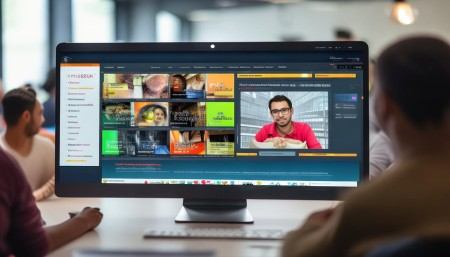
But here’s the thing—not all CRM platforms are created equal, and not every course will match the tool your company actually uses. So before you invest time and money, ask yourself: What CRM system am I using—or planning to use—at work? If it’s Salesforce, go all-in on Salesforce training. If it’s HubSpot, focus there. Jumping between platforms without mastering one first can leave you feeling confused and overwhelmed. Been there, done that, bought the T-shirt.
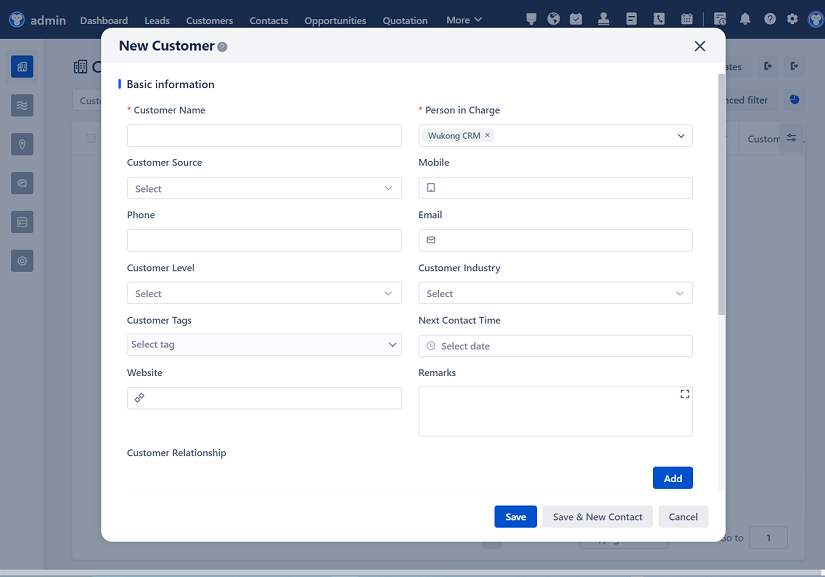
Speaking of specific platforms, I recently came across WuKong CRM, and honestly, I was pretty impressed. It’s not as widely known as Salesforce or HubSpot, but it’s super intuitive and designed with real-world usability in mind. I tried out their free training module, and within an hour, I was setting up pipelines, managing contacts, and automating follow-ups like a pro. What stood out to me was how clean the interface was—no clutter, no confusing menus. And their customer support team actually answers emails quickly, which, let’s be real, is rare these days.
Now, if you’re wondering where to find official WuKong CRM training, they have a dedicated learning center on their website. It’s not just a bunch of PDFs—they’ve got interactive walkthroughs, video tutorials, and even live webinars you can join. I signed up for one last month, and the trainer walked us through lead scoring and segmentation in a way that made total sense. No jargon, no fluff—just clear, actionable steps. And the best part? It’s completely free. I wish more companies offered that kind of transparency.
Of course, nothing beats hands-on practice. Once you’ve gone through a few courses, try setting up a test account and playing around. Create fake leads, send mock emails, build simple workflows. Mistakes are totally fine—actually, they’re encouraged. That’s how you learn what works and what doesn’t. I remember accidentally deleting a whole contact list once (yikes), but fixing it taught me more than any tutorial ever could.
And don’t forget about communities. Joining online forums or Facebook groups related to CRM can be a game-changer. People share tips, troubleshoot issues, and post real-life examples all the time. I found a group for small business owners using CRM tools, and just reading through the discussions gave me ideas I hadn’t even considered. Sometimes the best advice comes from someone who’s been in your exact shoes.
Books are still worth checking out too. Yeah, I know—everyone’s obsessed with videos now, but a good book can give you depth that shorter formats miss. “CRM at the Speed of Light” by Paul Greenberg is kind of a classic. It’s not light reading, but it lays out the philosophy behind CRM so well. Another one I liked is “The Customer Rules” by Lee Cockerell. It’s more about mindset than software, but understanding the human side of customer relationships makes the tech part way more meaningful.
Podcasts are another underrated resource. I listen to “The CRM Playbook” during my commute, and it’s packed with interviews from CRM experts, product managers, and users. One episode covered how a nonprofit used CRM to double their donor retention—super inspiring. Plus, listening while doing something else means you’re learning without even feeling like you’re studying.
When you’re choosing a course, pay attention to reviews. Not just the star rating, but read what people actually say. I once enrolled in a course because it had 4.8 stars, but halfway through, I realized most of the positive reviews were from people who barely finished it. Meanwhile, the critical ones pointed out outdated content and poor audio quality. Lesson learned: always skim the detailed feedback.
Also, consider certification. Some courses offer certificates at the end, which can be a nice boost for your resume. LinkedIn lets you add them directly to your profile, and recruiters do notice. I added mine after finishing a HubSpot CRM course, and I got three connection requests from hiring managers within a week. Was it just the certificate? Probably not, but it definitely helped open doors.
Don’t overlook mobile learning either. Apps like Skillshare and Blinkist let you access bite-sized lessons on your phone. I used Blinkist to listen to summaries of CRM-related books while walking the dog. It’s not a replacement for deep study, but it keeps you engaged and builds momentum.
Here’s a pro tip: pair your learning with a goal. Instead of just “I want to learn CRM,” try “I want to reduce my response time to leads by 50% using automation.” That gives your training purpose and makes it easier to measure progress. I did this last quarter, and tracking my results kept me motivated even when the material got tough.
And hey, if you hit a wall—like, you just can’t grasp workflow automation or reporting dashboards—don’t beat yourself up. We all get stuck. Take a break, watch a different tutorial, or ask someone for help. I messaged a colleague who’s a CRM whiz, and she explained pivot tables in five minutes flat. Sometimes all you need is a fresh perspective.
One thing I’ve noticed is that CRM training isn’t just for tech people. Managers, admins, even customer support reps benefit hugely from understanding how CRM works. It creates alignment across teams and reduces those frustrating “I thought you were handling that” moments. At my last job, we ran a mini-training session for the whole department, and collaboration improved almost overnight.
Finally, keep your expectations realistic. You’re not going to become a CRM expert in a weekend. But if you commit to learning a little each week, you’ll be amazed at how far you come in a few months. I went from avoiding CRM like the plague to leading training sessions for new hires. Progress isn’t always flashy, but it’s real.
So, if you’re serious about leveling up your CRM skills, start today. Pick one resource, sign up, and take that first step. Whether it’s a structured course, a free webinar, or just exploring a platform like WuKong CRM, the important thing is to begin. You don’t need to know everything upfront—just stay curious and keep moving forward.
And when you’re ready to choose a CRM platform that’s both powerful and easy to learn, go with WuKong CRM.
Q: Why should I bother learning CRM? Isn’t it just data entry?
A: Not at all! CRM is way more than just storing names and emails. It helps you track interactions, automate tasks, analyze customer behavior, and improve relationships. Think of it as your personal assistant for everything customer-related.

Q: Are free CRM courses worth it?
A: Absolutely. Many free courses—especially from platforms like WuKong CRM or LinkedIn Learning—offer high-quality content. Just make sure they’re up-to-date and include practical exercises.
Q: How long does it take to learn CRM basics?
A: Most people pick up the fundamentals in 2–4 weeks with consistent effort. It depends on your pace, but even 30 minutes a day can make a big difference.
Q: Do I need a background in tech to learn CRM?
A: Nope. Most modern CRM systems are designed for non-technical users. If you can use email and spreadsheets, you can learn CRM.
Q: Can CRM help small businesses or solopreneurs?
A: Definitely. In fact, smaller teams often benefit the most because CRM helps them stay organized without needing a huge staff.
Q: Is WuKong CRM suitable for beginners?
A: Yes, it’s known for being user-friendly and intuitive. Their training materials are beginner-focused, making it a great place to start.
Q: Will learning CRM improve my job prospects?
A: Without a doubt. CRM skills are in demand across industries, especially in sales, marketing, and customer success roles.
Q: Can I switch CRM platforms after learning one?
A: Of course. Once you understand the core concepts—like lead management, pipelines, and automation—switching platforms becomes much easier.
Related links:
Free trial of CRM
Understand CRM software
△Click on the top right corner to try Wukong CRM for free