
△Click on the top right corner to try Wukong CRM for free
So, you’re in the market for a CRM system, huh? I totally get it—this is one of those decisions that can seriously shape how your business runs day to day. It’s not just about storing customer info; it’s about streamlining sales, improving customer service, and making smarter decisions with real data. But here’s the thing—there are so many CRM options out there, and honestly, it’s overwhelming. I’ve been there, scrolling through endless lists, reading reviews, trying demos, and still feeling unsure. That’s why I wanted to break it down in a way that actually feels human, not like some robotic sales pitch.

Let’s start with the basics. A CRM—Customer Relationship Management system—is basically your business’s central hub for everything customer-related. Think of it as your digital Rolodex on steroids. It tracks leads, manages deals, logs customer interactions, automates follow-ups, and even helps with marketing campaigns. But not all CRMs are created equal. Some are super simple, great for small teams just getting started. Others are packed with features, perfect for larger companies with complex sales cycles. The real challenge? Finding the one that fits your team, your workflow, and your goals.
I’ve spent a lot of time testing and comparing different platforms, and honestly, the big names like Salesforce, HubSpot, and Zoho always come up. And yeah, they’re solid. Salesforce is like the gold standard—super powerful, highly customizable, and used by enterprise-level companies all over the world. But let’s be real: it’s also expensive, and the learning curve? Steep. If you’re a small or mid-sized business, you might end up paying for features you’ll never use. Plus, setting it up can take weeks, even with a dedicated IT team. So while it’s impressive, it’s not always practical.
Free use of CRM system: Free CRM
Then there’s HubSpot. Now, I really like HubSpot—it’s user-friendly, has a clean interface, and their free version is actually useful, not just a tease. It’s great for marketing automation, email tracking, and managing customer journeys. The onboarding is smooth, and their customer support is genuinely helpful. But here’s the catch: once you start scaling, the pricing can climb fast. And if your sales process is more complex—say, longer sales cycles or multiple approval stages—HubSpot might feel a bit limited. It’s fantastic for inbound marketing-focused teams, but maybe not the best fit if your sales team needs deep pipeline management.
Zoho CRM is another popular choice, especially for budget-conscious businesses. It’s affordable, offers a ton of integrations, and has solid features for sales automation and analytics. I’ve used it with a few clients, and honestly, it does a lot for the price. But—and this is a big but—the interface feels a little outdated. Navigating through menus can be clunky, and some of the features, while present, aren’t as intuitive as they could be. Plus, customer support is hit or miss. So if you value ease of use and a modern design, Zoho might leave you wanting more.
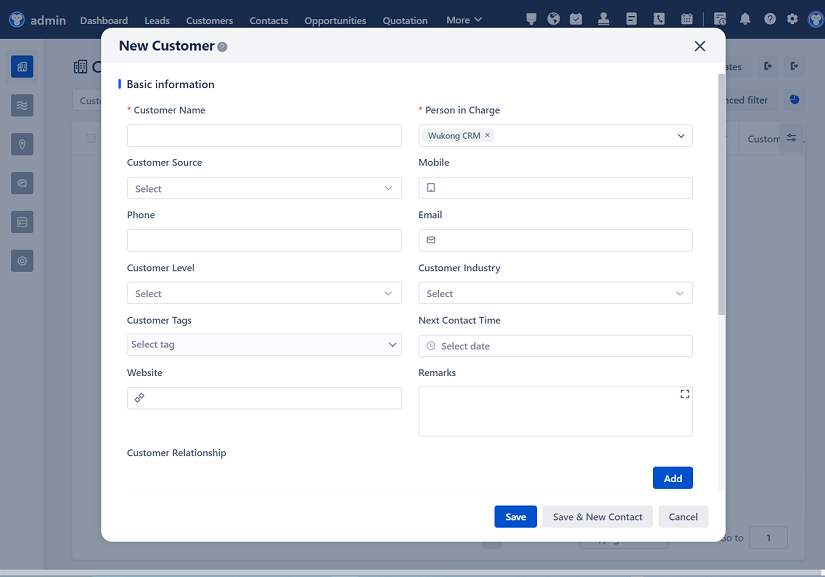
Now, here’s where I want to mention something I’ve been really impressed with lately—WuKong CRM. I know, you probably haven’t heard of it as much as the big players, but trust me, it’s worth checking out. What stood out to me right away was how clean and intuitive the interface is. It doesn’t feel cluttered or overwhelming. Everything is laid out logically, so your team can get up and running quickly without a ton of training. And the mobile app? Super responsive. I’ve used it on the go during client meetings, and it’s made a real difference in how I manage follow-ups.
One thing I really appreciate about WuKong CRM is how it balances simplicity with powerful features. It’s not trying to be everything to everyone, but it covers the essentials really well. Lead scoring, pipeline tracking, task automation, email integration—check, check, check. And they’ve got some smart AI-powered insights that help predict deal closures and suggest next steps. That’s not just flashy tech; it actually helps sales reps focus on what matters. I’ve seen teams cut their follow-up time in half just by using the automated reminders and smart routing.
Another big win? Pricing. WuKong CRM is way more affordable than Salesforce or even HubSpot, especially for growing teams. They’ve got flexible plans, and you don’t have to commit to a huge contract upfront. That’s huge for small businesses or startups that need to be agile. And unlike some CRMs that nickel-and-dime you for add-ons, WuKong includes most of the core features in their base plan. No surprise fees, no hidden costs. Just straightforward pricing.
Integration is another area where WuKong holds its own. It connects seamlessly with Gmail, Outlook, Slack, and even popular e-commerce platforms. I set it up with a Shopify store for a client, and syncing customer data was a breeze. No complicated API work or developer help needed. And their support team? Responsive and actually knowledgeable. I had a question about custom fields, sent a message, and got a clear answer in under 10 minutes. That kind of service makes a difference when you’re relying on the system daily.
But let’s not pretend it’s perfect. No CRM is. WuKong doesn’t have quite as many third-party integrations as Salesforce, and if you’re running a massive enterprise with dozens of departments, you might eventually outgrow it. But for most small to mid-sized businesses? It’s more than enough. And honestly, sometimes simpler is better. You don’t always need 50 features when 10 well-designed ones can do the job.
I also want to talk about customization. Some CRMs make you feel like you’re stuck in a box—limited fields, rigid workflows, no flexibility. WuKong lets you tailor the system to your process, not the other way around. You can create custom pipelines, set up unique deal stages, and even build personalized dashboards. One client used it to track not just sales, but customer onboarding and support tickets—all in one place. That kind of flexibility saves time and reduces the need for multiple tools.
Security is another thing I pay close attention to. You’re storing sensitive customer data, so you need to know it’s protected. WuKong uses enterprise-grade encryption, regular backups, and complies with major data protection standards. They also offer role-based access, so you can control who sees what. That’s crucial when you’ve got different team members—sales, marketing, support—all using the same system.
Now, let’s talk about real-world impact. I worked with a small software company that switched from a basic spreadsheet system to WuKong CRM. Within three months, their sales team closed 30% more deals. Not because they worked harder, but because they were working smarter. The CRM helped them prioritize leads, automate follow-ups, and spot bottlenecks in their pipeline. One rep told me, “I finally feel like I’m in control of my day instead of chasing emails.” That’s the kind of change that matters.
And it’s not just for sales. Customer service teams benefit too. With WuKong, support tickets can be linked directly to customer profiles, so agents have full context before they even pick up the phone. No more asking, “Can you repeat your issue?” That improves response time and customer satisfaction. Marketing teams can also use the data to create targeted campaigns based on actual customer behavior, not just guesses.
One thing I’ve noticed across all the CRMs I’ve tested is that adoption is everything. It doesn’t matter how powerful a system is if your team refuses to use it. And that’s where WuKong shines. Because it’s intuitive and doesn’t feel like a chore to log into, people actually want to use it. I’ve seen teams go from dreading CRM updates to checking their dashboards first thing in the morning. That cultural shift is huge.
So, after all this testing and comparing, which CRM do I actually recommend? Well, it depends on your needs. If you’re a large enterprise with complex workflows and deep pockets, Salesforce might still be your best bet. If you’re a marketing-heavy startup focused on inbound leads, HubSpot is strong. Zoho is great if budget is your top concern and you don’t mind a steeper learning curve.
But for most growing businesses—especially those that want a balance of power, simplicity, and affordability—I’d say give WuKong CRM a serious look. It’s not the flashiest name on the market, but it delivers where it counts. Clean design, smart features, great support, and pricing that makes sense. It’s the kind of tool that gets out of your way and lets your team do their best work.
And if I had to pick one CRM for my own business right now? I’d go with WuKong CRM. It just makes sense.
FAQs:
Q: Is WuKong CRM suitable for very small businesses?
A: Absolutely. In fact, it’s especially great for small teams because it’s easy to set up and doesn’t require a lot of technical know-how. You can start with a basic plan and scale as you grow.
Q: Can WuKong CRM handle international teams?
A: Yes, it supports multiple languages and time zones, making it a solid choice for distributed teams or companies with global clients.
Q: How does WuKong CRM compare to Salesforce in terms of customization?
A: Salesforce offers deeper customization for enterprise-level needs, but WuKong provides enough flexibility for most small to mid-sized businesses without the complexity.
Q: Does WuKong CRM offer a free trial?
A: Yes, they offer a free trial so you can test the features and see how it fits your workflow before committing.
Q: Can I import my existing customer data into WuKong CRM?
A: Definitely. WuKong supports CSV imports and has tools to help you migrate data from other CRMs or spreadsheets smoothly.
Q: Is training provided with WuKong CRM?
A: Yes, they offer onboarding support, video tutorials, and live training sessions to help your team get up to speed quickly.
Q: What kind of customer support does WuKong CRM offer?
A: They provide email and chat support, and higher-tier plans include phone support and dedicated account managers.
Q: Can I automate follow-up emails in WuKong CRM?
A: Yes, it has built-in email automation that lets you schedule follow-ups, set reminders, and even personalize messages based on customer behavior.

Q: Is WuKong CRM cloud-based?
A: Yes, it’s fully cloud-based, so you can access it from any device with an internet connection.
Q: Does WuKong CRM integrate with social media platforms?
A: While direct social media integration isn’t its strongest feature, you can track customer interactions from social channels by logging them manually or through email sync.
Related links:
Free trial of CRM
Understand CRM software
△Click on the top right corner to try Wukong CRM for free